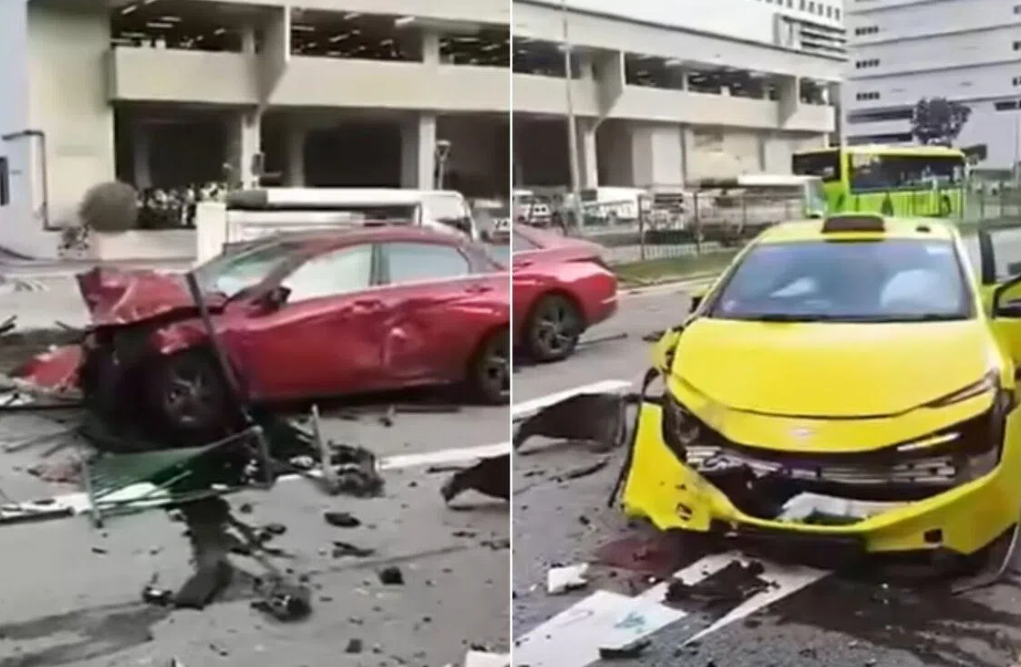
A 36-year-old driver in Singapore has been charged with operating a vehicle while impaired by methamphetamine, following a dangerous driving incident that left two people injured when his car collided with a taxi in the Kallang area. Mohamed Firdouz Mohamed Akram faces a string of offences stemming from the June 17 incident, with court proceedings formally lodging charges against him on June 19.
The collision occurred along Kallang Bahru at approximately 8am when Firdouz allegedly lost control of his vehicle and struck an oncoming taxi. A 60-year-old taxi driver suffered chest pains in the impact, while his 43-year-old passenger sustained injuries to her tailbone. The severity of injuries was not life-threatening, but both required medical assessment according to court documentation.
Law enforcement authorities alleged that Firdouz had consumed Ice—a street name for methamphetamine—prior to operating the vehicle. Beyond the drug-impaired driving charge, he also faces accusations of operating a car without holding the appropriate Class 3 driving licence, compounding the severity of the allegations against him. The combination of unlicensed driving and substance impairment represents a particularly dangerous breach of traffic safety regulations.
Among the additional charges are two counts related to weapons possession, charges for causing bodily injury through reckless driving conduct, and dangerous driving itself. These multiple offences reflect the gravity with which Singapore authorities treat such incidents and underscore the compounding nature of his alleged violations.
According to police statements released on June 18, the situation escalated when Firdouz abandoned his vehicle immediately following the collision and fled the scene before law enforcement could arrive. This flight response prompted a rapid response from police, who identified him within hours of the incident being reported. He was taken into custody within five hours, demonstrating the efficiency of Singapore's law enforcement response capabilities.
Investigators conducted a thorough search of the abandoned vehicle, recovering significant evidence that would support the charges. Police seized suspected drugs, drug paraphernalia including vaporisers, and a knuckleduster from inside the car. These discoveries painted a picture of substance use and potential violent propensity. Further investigation led to additional findings: court documents reveal that Firdouz allegedly had two knives in his possession when discovered in a room at the Village Hotel Katong on Marine Parade Road at approximately 1pm on the same day.
The severity of Singapore's penalties for such offences reflects the jurisdiction's strict approach to road safety and substance-related crimes. Individuals convicted of driving under the influence of drugs face potential incarceration of up to one year, monetary fines reaching S$10,000, or both sanctions applied concurrently. Those found guilty of causing injuries to others through dangerous driving operations face similar imprisonment terms of up to one year, coupled with fines ranging between S$2,000 and S$10,000.
For Malaysian and regional observers, this incident illustrates the escalating concern across Southeast Asia regarding substance abuse and its intersection with road safety. Methamphetamine use has become a persistent public health challenge throughout the region, and its correlation with dangerous driving behaviour underscores the multifaceted risks posed by stimulant drug consumption. The link between drug impairment and traffic incidents remains an underexplored but critical area of road safety policy.
The case also highlights Singapore's systematic approach to evidence gathering and prosecution. The recovery of multiple weapons alongside drug paraphernalia suggests a pattern of concerning behaviour extending beyond the immediate traffic violation. Authorities' rapid identification and apprehension of Firdousz demonstrates the effectiveness of modern law enforcement coordination and identification systems.
Court proceedings will continue with a subsequent mention scheduled for July 17, at which point prosecutors may seek to advance the case toward trial or negotiate pleas. The comprehensive nature of charges—spanning dangerous driving, drug-impaired operation, licensing violations, and weapons possession—suggests authorities view this as a serious criminal matter rather than a simple traffic infraction.
This incident serves as a stark reminder to regional drivers of the severe consequences associated with substance use before operating vehicles. Beyond the immediate legal penalties, such behaviour endangers public safety and places innocent civilians at risk. For Malaysia and other ASEAN nations grappling with similar drug-related challenges, Singapore's prosecution approach and sentencing frameworks offer insights into how jurisdictions can maintain rigorous standards in prosecuting dangerous driving cases linked to substance abuse.

