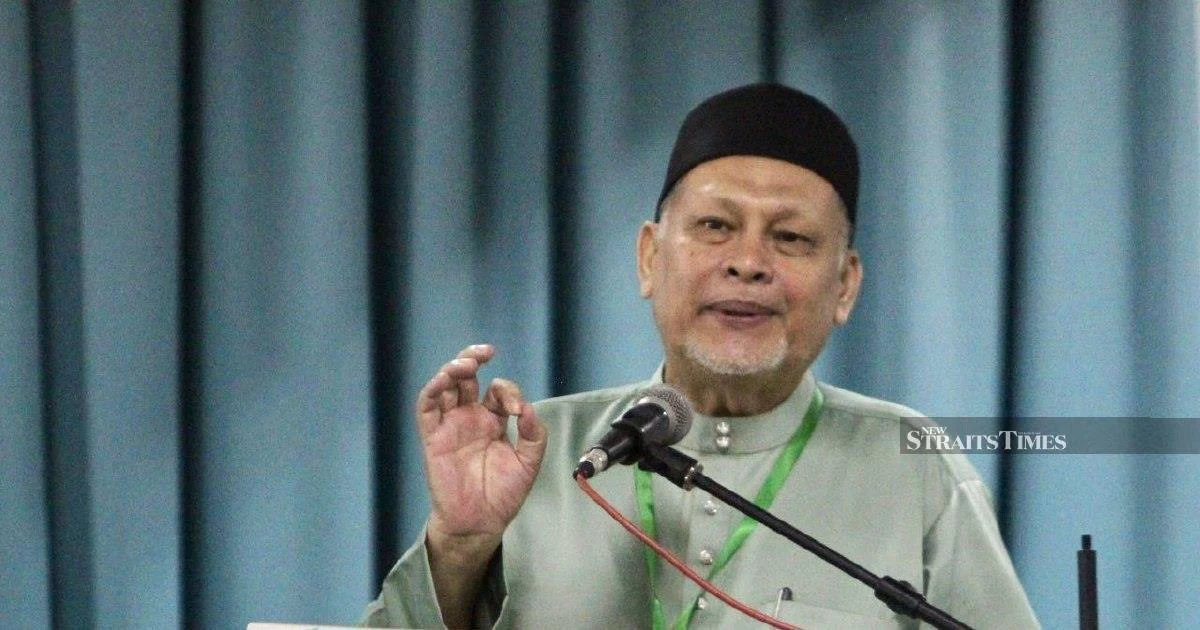
Pas leadership has identified the proliferation of new political movements specifically targeting Malaysia's younger electorate as a significant competitive pressure point as the nation moves toward its 16th general election. Speaking in Kota Baru, party officials characterised this demographic shift in voting patterns and party allegiances as among the substantive obstacles requiring strategic attention in the coming campaign cycle.
The concern reflects a broader recognition within Pas that the political landscape is fragmenting, with upstart parties attempting to carve out electoral niches by positioning themselves as alternatives to established players. For Pas, which has anchored its support base partly through traditional grassroots networks and Islamic-oriented messaging, the entry of fresh political entities poses a direct challenge to its organisational dominance in various constituencies, particularly those with significant youth populations.
Malaysia's electoral arithmetic has grown increasingly complicated over successive general elections. Voter mobility between parties, coupled with the emergence of single-issue and identity-based political movements, means that even well-entrenched organisations cannot assume stable support levels. The rise of independent candidates and smaller parties in GE15 demonstrated how fragmented voting blocs can reshape parliamentary outcomes, potentially diluting the electoral influence of traditional powerhouses like Pas.
Youth engagement represents a critical vulnerability for Pas at a time when generational divides in political preferences are widening across Southeast Asia. Younger Malaysian voters increasingly prioritise economic concerns, digital governance, and social progressivism, creating openings for parties willing to adopt positions distinct from the conventional conservative platforms that have long defined Pas's appeal. New entrants can more readily position themselves as reform-oriented without the historical baggage of long-standing parties.
The competitive environment also reflects technological shifts in political mobilisation. Emerging parties frequently leverage social media and digital platforms more nimbly than established structures, reaching young voters through channels and messaging formats aligned with their consumption habits. Pas, despite efforts to modernise its communications, operates within institutional constraints that newer organisations can circumvent more easily.
Geographically, Pas's heartland remains concentrated in the northeast, particularly Kelantan and Terengganu, where the party maintains deep cultural and institutional roots. However, electoral relevance increasingly depends on performance in Selangor, Johor, and other urbanised, youth-dense states where Pas has weaker organisational presence. New parties targeting these regions could fragment opposition votes and complicate Pas's ambitions to expand beyond its traditional strongholds.
The timing of this warning from Pas leadership underscores the party's recognition that campaign preparation must begin years before polling day. By publicly acknowledging the challenge, Pas is signalling to members the necessity for renewed grassroots mobilisation efforts and potentially more aggressive messaging aimed at reasserting the party's relevance to younger demographic cohorts. The acknowledgment also serves a strategic purpose of tempering internal expectations around GE16 performance, allowing the party to frame subsequent electoral results within this competitive context.
For Malaysia's broader political ecosystem, Pas's concerns highlight how the two-coalition structure—Pakatan Harapan and Barisan Nasional—that dominated recent elections may further splinter as tertiary forces vie for parliamentary seats. This fragmentation could strengthen independent voices within parliament while simultaneously weakening the ability of any single bloc to command decisive majorities, pushing Malaysia toward more coalition-dependent governance models.
The youth voter segment itself remains strategically vital because demographic trends show younger Malaysians comprise an expanding proportion of the electorate. Unlike older cohorts with established party loyalties, young voters frequently make electoral decisions based on immediate policy performance and contemporary social issues rather than historical party narratives. Parties that fail to address this constituency risk generational disengagement from the democratic process itself.
Pas's acknowledgment of this challenge reflects organisational maturity within the Islamic party, recognising that dismissing new competitors or underestimating their appeal would be strategically unwise. The party's response mechanisms—whether through youth-focused policy development, digital campaigns, or grassroots reorganisation—will substantially influence its parliamentary footprint in GE16 and beyond. How effectively Pas addresses this competitive pressure will also shape broader coalition dynamics and the ideological composition of Malaysia's next parliament.