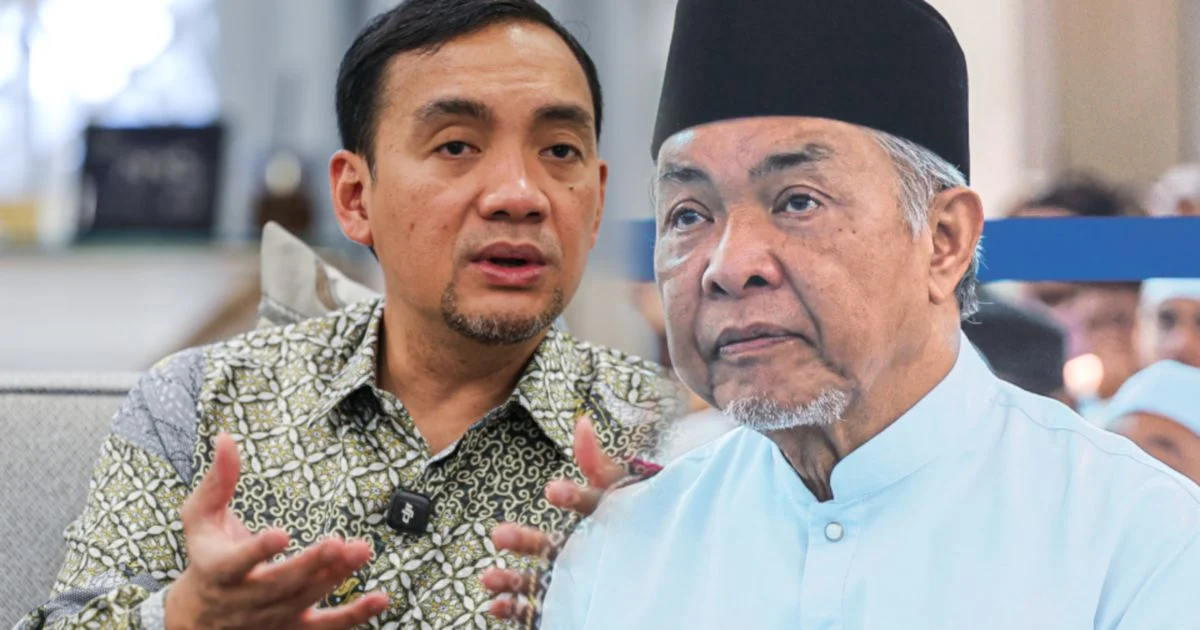
Deputy Prime Minister Datuk Seri Zahid Hamidi has moved to dispel speculation surrounding the caretaker Johor Menteri Besar's access to Federal Land Development Authority settlements, confirming that no formal directives have been circulated to restrict Datuk Onn Hafiz Ghazi's movements in these areas. The clarification comes amid ongoing political manoeuvring in Johor as the state prepares for electoral proceedings, with questions surfacing about whether the interim administration faces operational constraints.
Zahid's statement addresses concerns that may have arisen from party-level communications or procedural changes affecting how state leaders interact with Felda constituencies. The Federal Land Development Authority, which manages settlements housing hundreds of thousands of beneficiaries across the country, represents one of Malaysia's most politically significant voter blocs. Control over Felda areas has traditionally been fiercely contested by major political coalitions, given the settlers' collective influence in determining electoral outcomes.
The caretaker administration typically operates under established protocols during the period between dissolution of state assemblies and general elections. The clarification suggests that despite the interim arrangement, standard administrative functions—including ministerial visits to state-administered agencies and their constituent communities—continue unimpeded. This is particularly significant in Johor, where Felda settlements have historically served as critical political battlegrounds.
Felda holds particular importance in Malaysian politics due to its structured voting population and the widespread perception that settlers respond as a cohesive unit. Both the ruling coalition and opposition parties invest considerable effort in securing settler support, recognising that majorities in many state assembly constituencies contain substantial Felda-affiliated voters. Any restrictions on a sitting Menteri Besar's ability to engage with these communities would signal unusual political circumstances or internal party tensions.
The statement from Malaysia's second-ranking political figure carries weight beyond mere reassurance, essentially placing the federal government on record that normal state administration should proceed without artificial obstacles. This may serve to calm concerns within Johor's political establishment about whether caretaker arrangements would hamper the incumbent administration's capacity to govern effectively or maintain relationships with key constituencies prior to elections.
Zahid's intervention reflects the delicate balance required during caretaker periods, where incoming administrations prepare for transition while outgoing officials maintain interim authority. The role typically demands restraint and adherence to constitutional norms, yet permits legitimate governance activities. Access to Felda areas falls squarely within routine administrative functions that state leaders would ordinarily undertake.
The timing of such clarifications often indicates underlying tensions or rumours that required official denial. In Malaysian politics, where messaging can be indirect and subtle, such statements frequently address unspoken concerns within party networks or constituent communities. The fact that Zahid felt compelled to address the matter publicly suggests that questions had circulated sufficiently to warrant formal denial from the federal level.
For Johor specifically, the clarification matters because the state has undergone significant political change in recent years. Electoral dynamics remain uncertain, and both established and emerging political forces seek to strengthen positions ahead of any polling day. Felda constituencies will likely prove decisive in determining the balance of power, making any questions about administrative access particularly sensitive.
The statement also implicitly reassures Felda leaders and community representatives that they can expect continued engagement with the state administration during the caretaker period. Settler organisations and Felda-aligned business interests benefit from regular contact with state officials, and any perceived distance would generate concerns about marginalisation or shifting political priorities.
Beyond the immediate context, Zahid's clarification illustrates how caretaker governments operate within Malaysia's constitutional framework. While these interim administrations cannot make major new policy commitments or launch significant new initiatives, they retain core administrative functions and representative duties. Preventing a caretaker Menteri Besar from accessing any portion of his or her state would represent a substantial departure from established practice.
The political landscape in Johor continues to shift as various coalitions position themselves for electoral advantage. Statements like Zahid's serve multiple purposes: clarifying constitutional position, reassuring specific constituencies, and signalling federal support for orderly interim governance. For observers monitoring Johor's political trajectory, such interventions provide insight into where leadership priorities lie and which constituencies warrant particular attention.
Moving forward, the confirmation that normal administrative access continues unimpeded should enable the caretaker administration to function with greater clarity about permissible activities. This may prove particularly important as the state approaches election scheduling, when numerous constituencies will expect engagement from their state representatives regardless of interim status.

