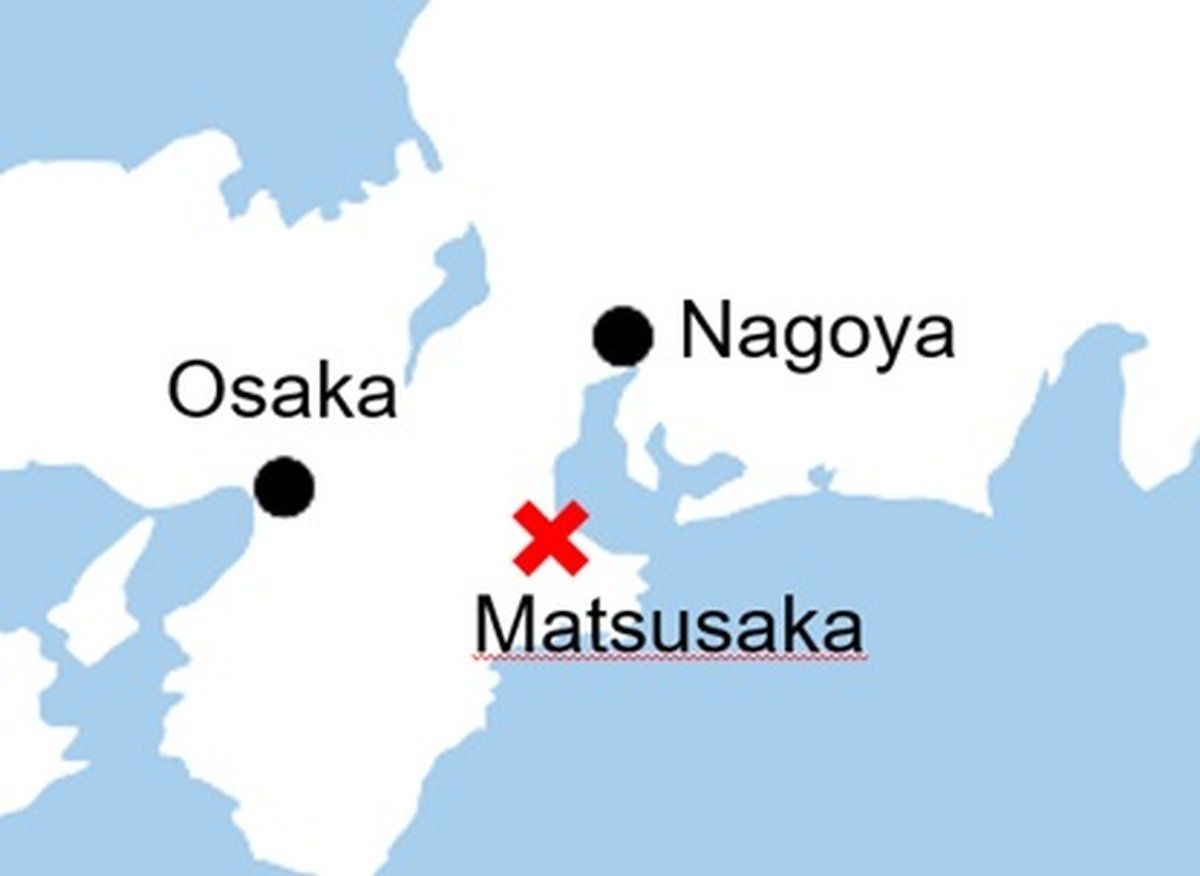
Japanese authorities have arrested a 35-year-old man in Matsusaka, Mie Prefecture, following allegations that he confined his partner's five-year-old stepdaughter inside a garbage can as a form of punishment. The incident, which occurred on May 12 at the family's home in Mie Prefecture, came to police attention only after a child welfare center learned of the abuse eight days later and reported it to law enforcement. The suspect has since admitted to the charges against him.
According to police records, the man carried the young girl to the garbage can at approximately 6.30pm and placed her inside before closing the lid, confining her to the cramped space for roughly five minutes. When questioned about his actions, the man described the confinement as a disciplinary measure, though authorities did not elaborate on what behaviour he was allegedly attempting to correct. Mercifully, the child sustained no physical injuries during the ordeal, though the psychological impact of such treatment remains undocumented in public accounts.
The discovery of the incident highlights the critical role that child welfare institutions play in identifying and intervening in cases of abuse, particularly when family members may be reluctant to report mistreatment. In this case, the welfare centre's proactive engagement with the family structure allowed authorities to act decisively, suggesting that regular monitoring systems can catch incidents that might otherwise remain hidden within household walls. The eight-day delay between the incident and its reporting to police underscores how such abuse can persist undetected in domestic settings.
Beyond the immediate victim, the investigation revealed broader concerns within the household. The girl's older sister was subsequently taken into the protective custody of the child welfare centre, indicating that authorities suspected a pattern of potential maltreatment rather than an isolated incident. This decision reflects contemporary child protection protocols that recognize the elevated risk faced by siblings in households where one child has already been identified as a victim of abuse.
The case raises important questions about acceptable forms of discipline and the cultural and legal standards that govern parental and guardian conduct in Japan. While different societies maintain varying perspectives on what constitutes appropriate punishment, Japanese law—like many modern legal systems—establishes clear boundaries around physical and psychological harm to children. Confining a young child in a garbage can crosses a threshold that no jurisdiction considers acceptable discipline, as it involves both physical restraint and degradation that could cause lasting emotional trauma.
For Malaysian readers and those across Southeast Asia, this incident serves as a sobering reminder of the vulnerability of children in blended family situations, where stepparents may lack the same legal and social accountability structures that typically govern biological parents. The case also demonstrates how institutional vigilance—through schools, healthcare providers, and welfare agencies—creates essential checkpoints in child protection systems. Many regional jurisdictions continue to strengthen these networks as awareness grows about the prevalence of abuse in domestic settings.
The arrest on June 18 came after what appears to be a relatively swift police investigation following the welfare centre's notification. The suspect's admission of guilt suggests either a straightforward investigation or circumstances where the evidence was sufficiently clear to compel a confession. Such confessions, while valuable for prosecution, do not diminish the seriousness of the underlying conduct or the need for comprehensive judicial proceedings that protect the rights of both the child and the accused.
This incident also touches on broader discussions within Japan and internationally about corporal punishment and its legal status. While some jurisdictions maintain explicit bans on all forms of physical punishment, others operate in legal grey zones where certain practices remain technically permissible. The garbage can confinement case operates clearly outside any such grey zone—it represents confinement, deprivation of freedom, and psychological harm that would be prosecuted under child abuse statutes in virtually any modern legal system.
The welfare centre's decision to take custody of both children represents an important protective measure, though it also raises complex questions about family preservation versus child safety that social workers must navigate constantly. In many cases, removing children from their home represents a last resort after attempts at family support and intervention have failed. However, when evidence of severe abuse emerges, as in this case, immediate protective action becomes paramount.
Looking forward, the case will likely proceed through Japan's criminal justice system, where the man faces charges related to confinement and child abuse. The outcome will carry significance not only for the immediate family involved but potentially for how similar cases are handled and how public awareness of child protection mechanisms continues to develop across the region.

