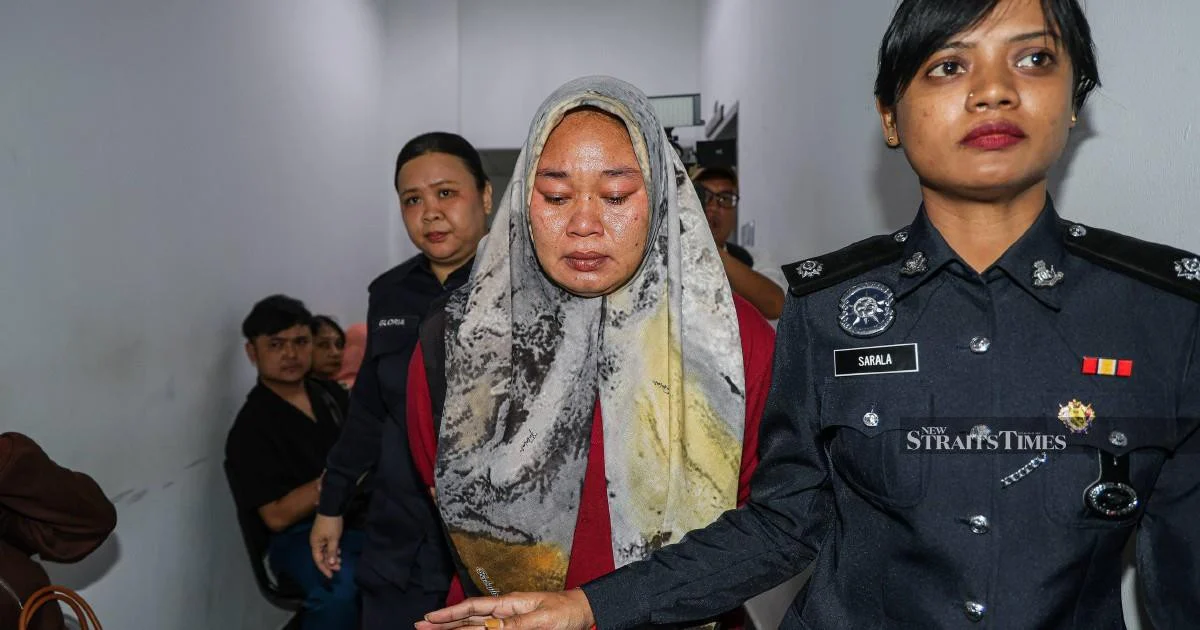
The case of an Indonesian domestic helper accused of injuring her employer's toddler has reached a critical juncture with formal charges being filed at Johor Baru Sessions Court. The incident, which captured public attention through viral social media sharing, underscores ongoing concerns about child welfare and workplace safety within private households across Malaysia, where tens of thousands of migrant domestic workers care for families every day.
The prosecution's decision to formally charge the worker marks an important step in pursuing accountability for the alleged abuse. The victim, a child not yet two years old, was unable to communicate the circumstances of his or her injury, placing significant investigative burden on authorities to piece together what occurred within the confines of a private residence. Such cases present unique challenges for law enforcement, as domestic settings typically lack external witnesses or security documentation that might otherwise corroborate claims of negligence or intentional harm.
The rapid spread of information about this incident through social media platforms highlights the role of online communities in drawing attention to potential child protection failures. In an era where smartphones document almost every moment, families and concerned observers increasingly share suspected abuse footage or photos across messaging applications and social networks, sometimes prompting official intervention. This grassroots scrutiny can pressure authorities to investigate thoroughly, though it also raises questions about due process and fair treatment for the accused before guilt is established.
The employment of domestic workers in Malaysian households remains a complex socio-economic reality, with estimates suggesting hundreds of thousands of foreign nationals work as live-in helpers, nannies, and household staff. Many come from Indonesia, the Philippines, and Bangladesh, often motivated by limited economic opportunities in their home countries. The disparity in power dynamics between employers and workers—compounded by language barriers, visa dependency, and social isolation—creates conditions where abuse can occur with limited external oversight. Simultaneously, workers themselves may face exploitation, wage theft, or harsh working conditions without recourse.
This particular case carries implications beyond the immediate parties involved. When allegations of mistreatment emerge, they inevitably affect public perception of migrant domestic workers as a group, potentially triggering xenophobic sentiment or discriminatory treatment of innocent workers. Yet the incident also validates concerns raised by labour rights advocates about insufficient regulation of the domestic worker sector and the need for stronger protections and monitoring mechanisms within private homes. Malaysia's domestic worker framework relies heavily on contractual agreements between employers and workers, with limited government inspection or surprise audits of working conditions.
The victim's age raises additional concerns about vulnerability and the physical inability of a one-year-old to report abuse or flee from an unsafe situation. Young children depend entirely on caregivers for protection, making the domestic help environment particularly sensitive. In Malaysia, where many working parents rely on domestic workers to provide childcare while they labour outside the home, trust becomes the foundational assumption. Breaches of that trust generate shock and anxiety throughout entire communities, prompting parents to reconsider hiring decisions or workplace arrangements.
Local authorities have responsibility for investigating the circumstances thoroughly and presenting evidence before the court. The Sessions Court proceedings will determine whether the prosecution can establish guilt beyond reasonable doubt, following Malaysian legal standards. The case outcome may inform future policy discussions about domestic worker regulation, including proposals for mandatory training programmes, background checks, hidden camera policies in playrooms, or regular welfare inspections by government officials. Some Southeast Asian nations have implemented stricter licensing requirements for domestic workers, though enforcement remains inconsistent.
For the employer's family, navigating the aftermath of alleged abuse involves both emotional trauma and practical questions about family reconstitution. Many households face childcare dilemmas when caregiving arrangements fracture unexpectedly. The investigation and trial process itself may prove lengthy and emotionally draining, requiring family members to relive the incident and participate in court proceedings. Support services for affected families remain underdeveloped in most Malaysian jurisdictions, with limited counselling resources specifically tailored to child abuse trauma.
The broader context of this case includes Malaysia's role as a destination country for migrant workers and the Southeast Asian labour migration system that drives movement from poorer to wealthier nations. While such migration offers economic opportunity for workers and practical solutions for employers, regulatory gaps persistently undermine worker protection. Indonesia, as the largest source country for Malaysian domestic helpers, has itself struggled to enforce labour standards and protect migrant workers abroad, though government agencies do maintain some oversight roles. Coordination between Malaysia and Indonesia on worker welfare and dispute resolution remains a developing area.
Moving forward, the Sessions Court's handling of this case will likely inform broader discussions within Malaysia about domestic worker governance. The verdict and sentencing, if conviction follows, may establish precedent for similar cases. Beyond the courtroom, child protection advocates and labour rights organisations will scrutinise the outcome as an indicator of whether Malaysia's legal system treats such allegations with appropriate seriousness. The case ultimately serves as a reminder that safe childcare environments require not only trustworthy individual caregivers but also systemic safeguards, regulatory frameworks, and cultural commitments to child welfare that extend into the private domestic sphere.

