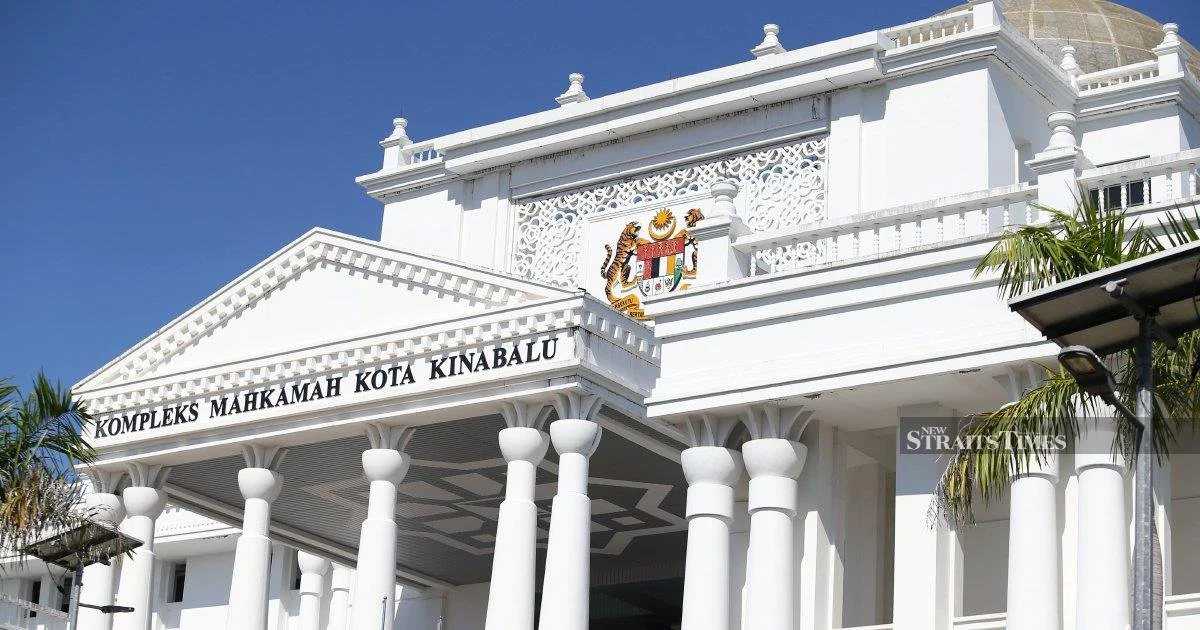
The inquest into the death of 13-year-old Zara Qairina Mahathir continues to unfold in Kota Kinabalu with testimony from expert witnesses, as the 74th witness presented evidence regarding document examination. The expert indicated during her court appearance that she was unable to contradict the findings presented by another document examination specialist who had previously analysed the same materials. This statement adds a layer of complexity to the ongoing investigation, as conflicting expert opinions often prove crucial in determining cause of death and establishing accountability in cases that draw public scrutiny.
Document examination represents one of the more technical aspects of forensic investigation, requiring specialists trained in detecting alterations, determining authenticity, and identifying inconsistencies in written materials. The inability of this witness to refute her colleague's conclusions suggests either that the earlier expert's methodology was sound and reproducible, or that the evidence at hand did not present sufficient grounds for an alternative interpretation. In Malaysian legal proceedings, particularly those involving inquest hearings, the consistency and credibility of expert testimony forms the foundation upon which factual conclusions rest.
The Zara Qairina Mahathir case has generated significant public interest, reflecting broader concerns within Malaysian society about child safety, institutional accountability, and the thoroughness of investigations affecting young persons. The protracted nature of the inquest—now involving 74 witnesses—indicates the prosecution's commitment to establishing a comprehensive evidentiary record, though it also signals the complexity inherent in cases where multiple parties and institutions may bear some responsibility. Each witness testimony, whether supporting or qualifying earlier evidence, contributes incrementally to the court's understanding of circumstances surrounding the teenager's death.
Expert witnesses occupy a peculiar position within the adversarial legal system employed in Malaysia. Unlike lay witnesses who testify to facts they directly observed, experts must interpret evidence through the lens of their professional training and experience. When one expert cannot dispute another's findings, this carries implications for how the court may ultimately weigh that particular category of evidence. The absence of contradiction may be interpreted as corroboration, though courts typically require caution in drawing such conclusions, as expert agreement can sometimes reflect professional consensus rather than independent verification.
The documentary evidence at the centre of this expert testimony may relate to any number of materials potentially relevant to understanding how the death occurred: communications, official records, medical documentation, or written statements from various parties involved in the circumstances preceding her death. Document examiners typically address questions of authenticity, authorship, dating, and alterations—matters that can carry significant evidentiary weight when establishing timelines or determining whether false information may have been deliberately introduced into the record.
For Malaysian readers following this case, the procedural aspects of an inquest bear noting. Unlike a criminal trial, an inquest does not determine guilt but rather seeks to establish the identity of the deceased, how they came to their death, when this occurred, and where. The inquest must also identify circumstances that, if preventable, contributed to the death. This framework means that expert testimony serves to illuminate these specific questions rather than to prove liability in the conventional sense, though findings may subsequently support recommendations for policy changes or organisational reform.
The accumulation of 74 witnesses suggests that various institutions and individuals with knowledge relevant to Zara's case have been called upon to provide testimony. This breadth of examination is typical in high-profile cases involving young persons, particularly when questions arise regarding duty of care, supervision, and institutional oversight. The extensive witness list also reflects efforts to reconstruct events chronologically and to identify any gaps in knowledge or action that might have contributed to the tragic outcome.
The document examination expert's inability to contradict her colleague's findings may ultimately strengthen the evidentiary basis for whatever conclusions the coroner reaches regarding the documentary record. In forensic science, reproducibility and the absence of substantive disagreement between qualified experts can lend credibility to particular findings. However, the court will need to consider whether the documents in question represent the full factual picture or whether they require supplementation by other forms of evidence—physical, medical, or testimonial—to arrive at reliable conclusions.
As the inquest progresses, Malaysian observers have increasingly focused on what systemic improvements might emerge from detailed examination of how Zara's death came to occur. Beyond the immediate question of cause, inquests frequently prompt recommendations regarding child protection protocols, institutional accountability mechanisms, and oversight procedures. The testimony of dozens of witnesses, including technical experts, contributes to a comprehensive record that may influence such recommendations and potentially shape future policy affecting child welfare in Malaysian institutions.
The coroner's eventual findings will synthesise testimony from all 74 witnesses alongside physical evidence and expert analysis. In doing so, the court must assess the reliability, consistency, and coherence of the evidentiary record as a whole. The fact that one document examination expert could not contradict another's conclusions suggests at least provisional agreement on technical matters, though the broader narrative of how Zara came to her death will depend on integration of this and numerous other testimonial elements into a coherent factual account.

