Vietnam has moved to strengthen passenger protections in its aviation sector with the introduction of Government Decree No. 208, a comprehensive regulation that will require airlines operating in the country to provide compensation and assistance to travellers affected by flight disruptions. The decree takes effect from the start of next month, marking a significant shift towards consumer-oriented aviation standards that align increasingly with international best practices observed across developed air transport markets.
The new regulation establishes clear definitions and thresholds for various categories of flight disruptions. A delay occurs when a flight departs more than 15 minutes beyond its scheduled time, while a "long delay" refers to any postponement of four hours or more. This distinction is important because it triggers different obligations for carriers depending on the severity and duration of the disruption. By creating these precise parameters, Vietnamese authorities have provided airlines with unambiguous guidance on their responsibilities, reducing ambiguity that previously allowed carriers to interpret regulations differently.
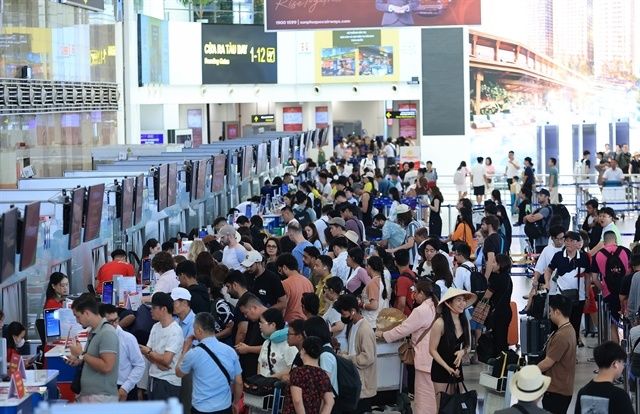
Airlines must now adopt proactive communication protocols when delays become apparent. Carriers are obliged to inform passengers immediately, provide an explanation for the delay, and furnish updated departure estimates to airport operators and terminal service providers. Crucially, this revised information must appear on airport flight information display screens at least every 30 minutes, ensuring that waiting passengers have access to timely, accurate updates. This requirement addresses a common frustration for air travellers across Southeast Asia, where delays are frequently announced inadequately or updated sporadically.
For delays exceeding two hours, carriers must provide tangible support to passengers. Airlines can either supply drinking water directly or issue equivalent vouchers, a provision that recognises the physical discomfort associated with extended airport waits. When delays stem from the airline's own operational failures, carriers must rebook passengers on alternative services or reroute them to their final destination without imposing additional charges or restrictions typically applied to schedule changes. This protection prevents airlines from profiting through ancillary fees when passengers are stranded due to airline fault.
The decree distinguishes between daytime and overnight delays, recognising that extended waits during unsociable hours require substantively different support. For delays occurring between 7am and 10pm, airlines must arrange suitable rest facilities consistent with each airport's capacity and infrastructure. When delays extend into late-night or early-morning hours—between 10pm and 7am—carriers must provide sleeping accommodation or alternative solutions acceptable to affected passengers. This nuanced approach acknowledges the particular hardship of sleep deprivation and the health implications of extended airport stays during night hours.
Schedule changes represent another category of disruption addressed by the new decree. When an airline deliberately alters a flight's departure time by five hours or more from the originally marketed schedule, passengers gain several options: they may request a full refund, accept rebooking on an alternative itinerary with adjusted timing, or insist on alternative transport within 72 hours. However, schedule changes confined to a four-hour earlier departure or 15-minute later departure fall outside these protections, allowing carriers to implement minor adjustments according to their own policies. This threshold balances airline operational flexibility with passenger interests.
Flight cancellations trigger the most stringent protections under Decree No. 208. Airlines must immediately notify passengers without delay, offer an apology, and explain the cancellation's cause. If the airline bears responsibility for the cancellation, passengers enjoy several remedies: the carrier must rebook them on suitable alternative flights enabling them to reach their final destination, issue a complete refund of the ticket price, or refund the unused portion. Critically, when the airline is at fault, all restrictions on itinerary changes and associated surcharges must be waived, preventing carriers from recouping losses through additional fees.
The regulation mandates that Vietnam's Minister of Construction will establish additional implementing details, particularly regarding non-refundable advance compensation amounts and payment procedures. This delegated responsibility allows for regulatory refinement based on aviation industry input and practical implementation experience. The minister will also prescribe the methods and deadlines for advance compensation payments and define carrier obligations for publishing information and reporting disruptions, creating a framework for transparent oversight and accountability.
The Vietnamese regulation arrives at a time when passenger air travel across Southeast Asia continues expanding rapidly. Malaysia, Thailand, Indonesia, and the Philippines have similarly grappled with establishing consumer protection frameworks that balance airline commercial interests against passenger welfare. Vietnam's approach provides a potential template for neighbouring countries, incorporating graduated responses appropriate to disruption severity while maintaining sufficient operational flexibility for carriers. The emphasis on advance compensation—payment before passengers must pursue claims—represents a meaningful improvement over systems requiring travellers to lodge formal complaints and navigate bureaucratic processes.
Implementation challenges will inevitably emerge during the decree's initial months. Vietnamese airports operate at varying capacity levels, and not all facilities may possess comfortable rest areas sufficient for regulations requiring "suitable rest facilities." Airlines may initially struggle to coordinate rebooking across the network, particularly for disruptions affecting multiple flights. However, the regulation's existence establishes binding standards that previously did not exist, providing passengers with legal recourse previously unavailable.
The decree reflects Vietnam's broader economic development trajectory and its integration into regional and global aviation networks. As Vietnamese carriers expand internationally and foreign airlines increase Vietnamese operations, alignment with international standards becomes increasingly necessary. This regulation brings Vietnamese law closer to European Union requirements and ASEAN discussions regarding harmonised passenger protection standards, potentially facilitating smoother operations for airlines operating across multiple regional jurisdictions.
For Southeast Asian travellers, the Vietnamese regulation demonstrates momentum toward stronger consumer protections within the region's aviation sector. Malaysians and other regional passengers visiting Vietnam will now enjoy guaranteed compensation frameworks previously available in wealthier markets. As Vietnam implements these protections, the neighbouring aviation markets will closely monitor outcomes, with other ASEAN nations potentially adopting similar measures. The decree thus represents both a significant passenger-rights advancement for Vietnam and a potential precursor to broader regional harmonisation of aviation consumer standards.