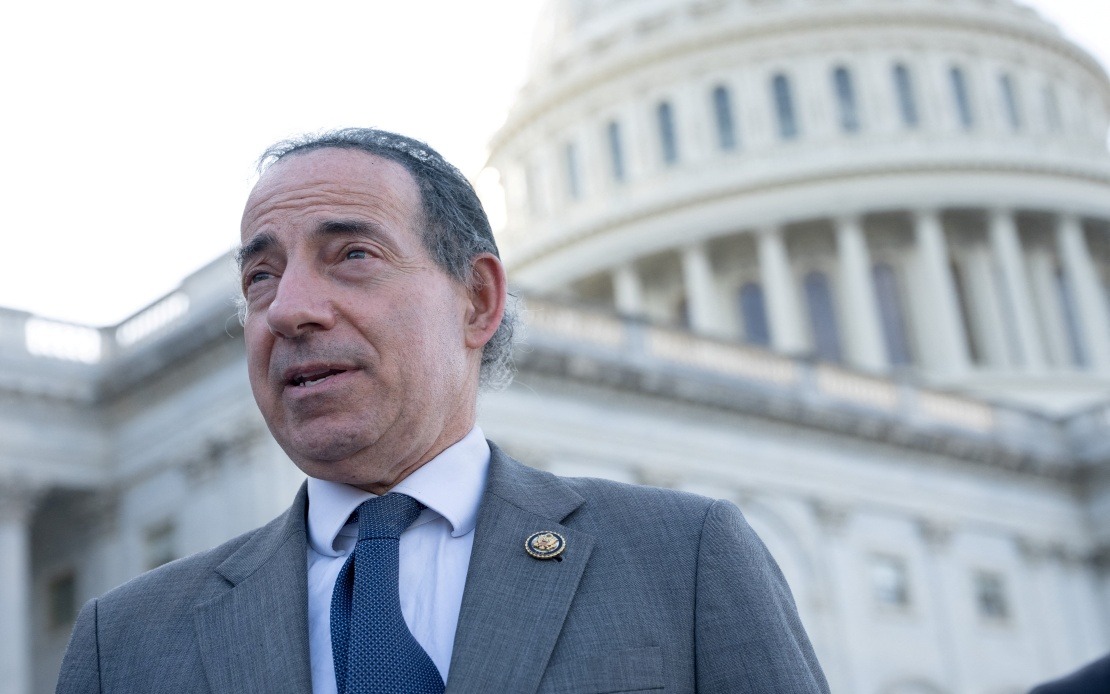
A prominent member of the US House of Representatives has formally initiated an investigation into FIFA, citing allegations of systematic corruption and what he describes as an illicit arrangement between the soccer governing body and the Trump administration. Rep. Jamie Raskin, who holds a senior position on the House Judiciary Committee, launched the inquiry through a letter addressed to FIFA President Gianni Infantino on Sunday, signalling growing Congressional scrutiny of the international sports organisation's governance and its alleged political dealings.
Raskin's investigation focuses on what he characterises as a "sustained campaign" by FIFA to secure preferential treatment from the US government under President Donald Trump. Central to the congressman's concerns is the allegation that FIFA sought the dismissal of significant corruption cases that had previously been brought against the organisation by American prosecutors. This assertion carries substantial weight given the historical context of FIFA's corruption scandals, which had prompted multiple criminal prosecutions in US federal courts over the past decade.
The investigation encompasses allegations that FIFA exploited its proximity to the Trump administration to engage in illegal practices affecting consumers. According to Raskin's letter, these practices included what he termed "illegal price gouging and fraudulent sales tactics" related to the distribution and pricing of World Cup tickets. The congressman specifically cited instances of price manipulation, implementation of dynamic pricing strategies, and policies permitting seat downgrades after purchase—all measures that he argues violated consumer protection standards and constituted fraud.
Raskin's examination of FIFA's governance structure will scrutinise the organisation's internal operations under Infantino's leadership, particularly focusing on claims that FIFA deliberately weakened its own ethics oversight mechanisms while simultaneously pursuing closer relations with the Trump administration. This dual allegation suggests a pattern whereby institutional safeguards designed to prevent corruption were deliberately compromised to facilitate political objectives. The congressman's framing implies that such institutional weakening was not accidental but rather a deliberate strategy to enable improper dealings with the US government.
The investigation also scrutinises the Trump administration's approach to FIFA-related corruption enforcement. Raskin contends that despite the previous Justice Department's successful prosecution of a wide-ranging international bribery conspiracy involving soccer media rights, the Trump administration subsequently abandoned ongoing cases and permitted convicted defendants to avoid serving their sentences. He points out that earlier investigations had uncovered more than $200 million in bribes and kickbacks, with defendants hailing from over 20 countries. This alleged reversal in enforcement priorities, Raskin suggests, represents a fundamental abandonment of anti-corruption principles in pursuit of political advantage.
For Malaysian and Southeast Asian readers, this investigation carries particular relevance given the region's significant stake in global soccer governance. FIFA's ticketing practices directly affect fans throughout Asia, including Malaysia, where World Cup interest remains substantial. The allegations of price gouging and manipulative sales tactics underscore broader concerns about how multinational sporting organisations exercise power over consumers in developing and emerging markets, where such financial abuses can disproportionately affect participation and access to major sporting events.
The congressional inquiry encompasses a broad documentary demand. Raskin has requested all communications, agreements, and records concerning any gifts, payments, or other financial or material benefits allegedly provided by FIFA to Trump or his associates. Additionally, the congressman seeks comprehensive records documenting FIFA's interactions with US government officials and all materials related to the organisation's ticketing practices. These requests suggest that investigators suspect a pattern of undisclosed financial arrangements underlying the alleged quid pro quo arrangement.
Raskin has also requested access to visitor logs maintained at FIFA's offices located within Trump Tower in New York, implying that the physical proximity of FIFA's operations to Trump's business headquarters may have facilitated improper communications or transactions. The congressman's specific focus on Trump Tower visitor documentation suggests investigators are pursuing a documentary trail that could establish direct contact between FIFA officials and Trump associates at the property itself.
Critically, the investigation demands Infantino's personal appearance before the committee for a recorded interview. Raskin's letter specified that the FIFA president must contact Democratic committee staff by 5:00 pm on August 9, 2026, to schedule this testimony. This demand for a transcribed interview elevates the investigation beyond a routine documentary inquiry, signalling that Congress seeks direct testimony from FIFA's leadership regarding the alleged arrangements. Such a summons, while procedurally significant, also reflects the committee's confidence in having a substantive factual foundation for questioning Infantino directly.
The investigation represents an escalation in Congressional attention to FIFA's governance and its interactions with the US government. Raskin's framing positions the alleged FIFA-Trump arrangement not merely as a technical violation but as a "quid pro quo" that, contrary to Trump's characterisation, constitutes a "victimless crime." This language suggests the congressman views the matter as involving systematic abuse of governmental power to benefit a private international organisation at the expense of consumers and the public interest.
For Malaysian football enthusiasts and observers of global sports governance, this Congressional investigation underscores the complex intersection between sports administration, commercial interests, and political power. The allegations, if substantiated, would demonstrate how international sporting bodies can become entangled in political arrangements with government administrations, potentially compromising both sporting integrity and consumer protection. The investigation's outcome may establish important precedents for Congressional oversight of FIFA's governance and its commercial practices affecting fans worldwide.

