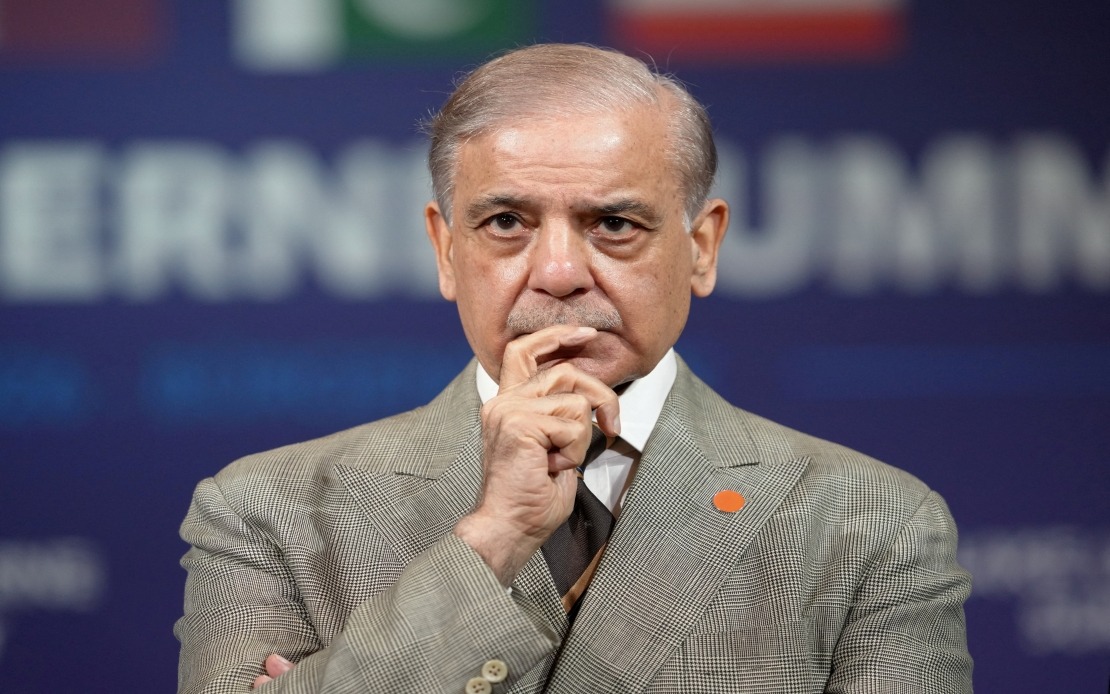
Pakistan's Prime Minister Shehbaz Sharif has confirmed that the United States and Iran will embark on a new round of technical-level discussions within the next 60 days to tackle persistent disagreements over Iran's nuclear programme, ballistic missile capabilities, and billions in frozen Iranian assets held abroad. Speaking to lawmakers in the National Assembly in Karachi on Tuesday, Sharif expressed optimism that the temporary understanding reached in Switzerland could crystallise into a durable accord addressing decades of bilateral tension and international security concerns.
The announcement follows intensive negotiations in Burgenstock, Switzerland, which concluded early on Monday with both nations agreeing on procedural mechanisms to guide future talks. Pakistan and Qatar played central roles as mediators throughout the process. The discussions culminated in the Islamabad Memorandum of Understanding, signed by both countries on June 17, with Pakistan also becoming a signatory in recognition of its diplomatic intermediation efforts. Sharif characterised the recent progress as historic, emphasising that the roadmap established in Switzerland provides the framework for substantive negotiations in the coming months.
According to Sharif's parliamentary address, the forthcoming 60-day negotiation window will focus on three critical domains that have historically divided Washington and Tehran. The nuclear issue remains the cornerstone of contention, relating to Iran's uranium enrichment programme and compliance with international safeguards. Additionally, resolving the status of ballistic missiles—a category of weapons the US views as destabilising to regional stability—forms an essential component of potential normalisation. The third pillar involves unfreezing Iranian assets, a matter of significant economic importance to Tehran, which has faced crippling international sanctions and asset seizures for years.
However, complications emerged almost immediately when Iran's Foreign Ministry pushed back against aspects of the emerging framework. Spokesman Esmaeil Baghaei explicitly stated that Iran's missile programme was never tabled during the Switzerland negotiations and would not become a subject of future discussions, effectively removing one of Washington's stated priorities from the table. This hardline position reflects deep Iranian concerns about conceding ground on weapons systems viewed domestically as essential deterrents against potential military intervention.
Baghaei further declared that Iran would not permit International Atomic Energy Agency inspectors to access nuclear facilities that sustained damage during military strikes by Israel and the United States. This stance presents another significant obstacle to verification mechanisms that Western powers typically demand in nuclear accords. The restrictions on IAEA access to specific sites would constrain the transparency that international observers require to confirm compliance with any eventual agreement, potentially undermining Western confidence in Iranian commitments.
The tension between Pakistan's optimistic framing and Iran's restrictive positions underscores the precarious nature of the current diplomatic window. While Sharif's emphasis on turning the MoU into a lasting agreement reflects Pakistan's investment in regional stability and reduced geopolitical friction, Iran's simultaneous assertion of red lines suggests substantial negotiating hurdles remain. These contradictory signals complicate predictions about whether the 60-day timeline will yield meaningful breakthroughs or merely serve as an extended dialogue period without substantive movement.
For Malaysia and Southeast Asia, the outcome of these negotiations carries indirect but material implications. A comprehensive US-Iran accord could reshape Middle Eastern geopolitics, potentially reducing military tensions that have periodically disrupted global shipping lanes and energy markets critical to Southeast Asian economies. Conversely, if negotiations collapse, escalating US-Iran confrontation could trigger regional instability, proxy conflicts, and petroleum price shocks affecting the region's trade and development trajectories. Maritime security in the Persian Gulf and Strait of Hormuz, through which significant portions of Asian energy supplies transit, remains vulnerable to deterioration if diplomatic efforts fail.
Pakistan's central role as mediator reflects broader shifts in how South Asian nations position themselves within Middle Eastern affairs. By hosting the MoU and facilitating dialogue, Islamabad seeks to demonstrate its capacity as a stabilising force while managing its own complex relationships with both Washington and Tehran. For the region, successful mediation could enhance Pakistan's diplomatic standing while establishing precedent for multilateral conflict resolution mechanisms that could address other intractable disputes.
The structure of the 60-day timeline itself merits scrutiny. Rather than representing a firm deadline for concluding negotiations, the period appears designed as a proving ground for whether both parties can maintain constructive engagement on technical matters. Success metrics remain deliberately vague—Sharif spoke of movement toward agreement rather than completion of accord. This ambiguity provides flexibility but also leaves open the possibility of renewed confrontation if parties fail to demonstrate sufficient progress by the deadline.
International observers will scrutinise whether subsequent rounds of talks address the specific Iranian objections already raised regarding missile discussions and IAEA access. If the US accepts Iranian limitations on these fronts, it may signal genuine pragmatism about achievable settlements. Alternatively, if Washington insists on comprehensive verification and missile constraints, the entire negotiation framework could collapse within weeks. The coming months will test whether Pakistan's optimism about permanent agreement translates into concrete diplomatic achievement or evaporates into familiar cycles of failed negotiations and escalating tensions.
The stakes extend beyond bilateral US-Iran relations to encompass broader questions about nuclear proliferation, regional arms dynamics, and the credibility of diplomatic initiatives in addressing long-standing conflicts. Southeast Asian nations with economic interests in Middle Eastern stability will monitor developments carefully, recognising that outcomes in Switzerland and subsequent capitals could reverberate through energy markets, shipping security, and investment climates affecting the region's prosperity and strategic interests.

