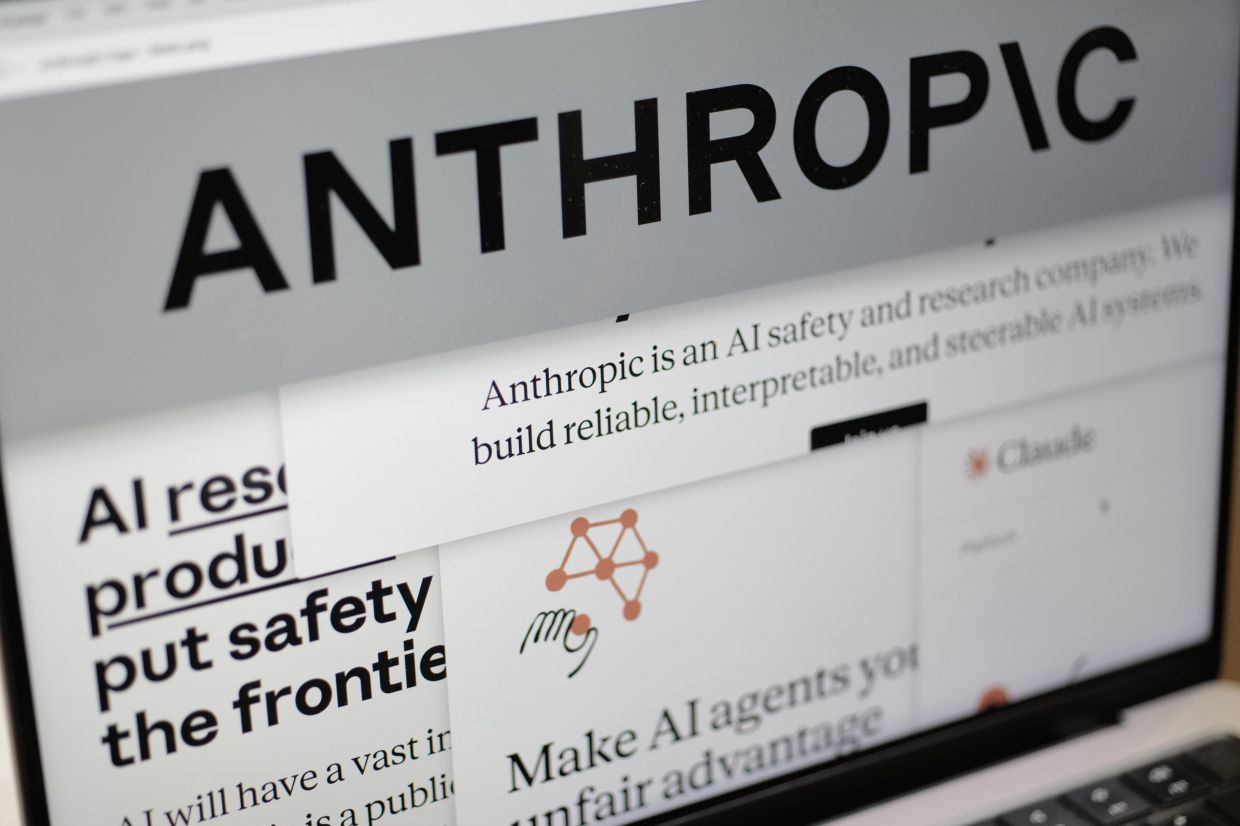
A Washington federal court has become the battleground for a dispute over artificial intelligence access and national security, as Legion, a US-headquartered litigation-technology firm, challenges the Trump administration's recently imposed export restrictions on advanced AI models developed by Anthropic. The lawsuit, filed on June 23, represents an escalating tension between American national security interests and the operational needs of technology companies whose workforces span international borders. Legion's complaint directly targets Commerce Secretary Howard Lutnick, who had warned Anthropic that government permission would be required before sharing its most advanced models—Fable 5 and Mythos 5—with foreign nationals or transferring them outside the United States.
The sequence of events unfolded with remarkable speed in mid-June when Anthropic, the maker of the Claude chatbot and Mythos models, moved to implement the government directive by disabling access to Fable 5 and Mythos 5 for users who fell outside the permitted parameters. Legion, which develops software tools designed to streamline legal workflows for attorneys, found itself caught in the crossfire. The company's technical workforce includes Canadian nationals who develop software remotely from Canada, a geographical reality that suddenly rendered them ineligible to access the very systems their work depends upon. Within days of the access restriction, Legion initiated legal proceedings, arguing that the impact on its business operations transcends mere inconvenience and ventures into existential territory.
The company's legal filing paints a picture of operational paralysis. Legion contends that losing access to Fable 5 constituted an immediate catastrophe because the model sits at the centre of its product development strategy. The litigation-technology sector operates in an environment where competitive advantage hinges on deploying the most sophisticated tools available, and delays in accessing cutting-edge artificial intelligence can translate into measurable market disadvantage. Legion specifically emphasised that the rapid pace of AI advancement means that companies unable to work with the latest models risk falling irretrievably behind competitors who maintain uninterrupted access. This argument reflects a broader anxiety within the technology industry about how export controls might reshape competitive dynamics.
The legal challenge raises complicated questions about how sweeping export restrictions can be applied when companies operate with distributed workforces. Legion's predicament illustrates the practical complications inherent in enforcing national security measures in an era of remote work and international employment. The company is headquartered in the United States and conducts substantial operations domestically, yet the presence of Canadian employees working from abroad means it cannot access technology that is otherwise legally available to purely domestic operations. This creates an arguably uneven competitive landscape where the nationality of employees, rather than the location of corporate headquarters or the nature of the work being conducted, determines technological access.
Anthropc's response to the government directive was notably accommodating. Rather than challenge the restrictions, the company characterised its compliance as collaborative, with a spokesperson expressing gratitude toward the administration and reaffirming commitment to working with government agencies toward shared objectives. Anthropic emphasised its alignment with the administration's stated goals of protecting critical infrastructure and maintaining American technological leadership in artificial intelligence. This positioning suggests that Anthropic may be reluctant to become the focal point of a broader conflict between industry interests and national security concerns, preferring instead to maintain productive relationships with regulatory bodies.
The dispute arrives at a consequential moment for American artificial intelligence governance. As the sector expands rapidly and competition intensifies between the United States, China, and other technological powers, governments worldwide are grappling with how to balance innovation incentives against national security imperatives. Export controls targeting advanced AI models represent a relatively recent policy instrument, reflecting growing concern that proprietary systems developed at substantial cost by American companies might enhance the capabilities of foreign competitors or hostile actors. Yet these same controls impose friction on American companies that have integrated international talent into their operations, a reality that complicates the implementation of blanket restrictions.
For Malaysian and Southeast Asian readers, this dispute carries particular resonance. The region has emerged as an important hub for technology sector employment and software development, with many companies maintaining distributed teams across multiple countries. If export restrictions on advanced AI models become standard practice, companies in the region may face similar access barriers, potentially slowing innovation and economic development in artificial intelligence-dependent sectors. The outcome of Legion's lawsuit could establish precedent for how such restrictions affect foreign workers and companies with international operations, with implications extending well beyond the United States.
The fundamental tension at the heart of this case reflects a broader challenge facing technology regulation globally. National security imperatives and economic competitiveness sometimes pull in opposite directions. Restricting access to advanced models may protect sensitive technology from falling into the wrong hands, but it simultaneously constrains the productive capacity and innovation velocity of companies that depend on those tools. Legion's argument that each day without access causes cumulative, irreversible competitive damage deserves serious consideration, particularly in an industry where technological capability compounds rapidly and lost time cannot easily be recovered.
As of now, neither the White House nor the Commerce Department has publicly responded to the lawsuit, leaving uncertain whether the government intends to defend the restrictions vigorously or negotiate a resolution. The silence may reflect genuine consideration of Legion's claims or strategic reluctance to amplify the dispute through detailed public engagement. Similarly, Anthropic has not indicated whether it might seek reconsideration of the restrictions or whether its collaborative stance signals acceptance of them as permanent features of the regulatory landscape. The coming weeks will likely determine whether this becomes a narrow dispute affecting Legion specifically or a catalyst for broader reconsideration of how export controls intersect with remote work and international employment in the artificial intelligence sector.

