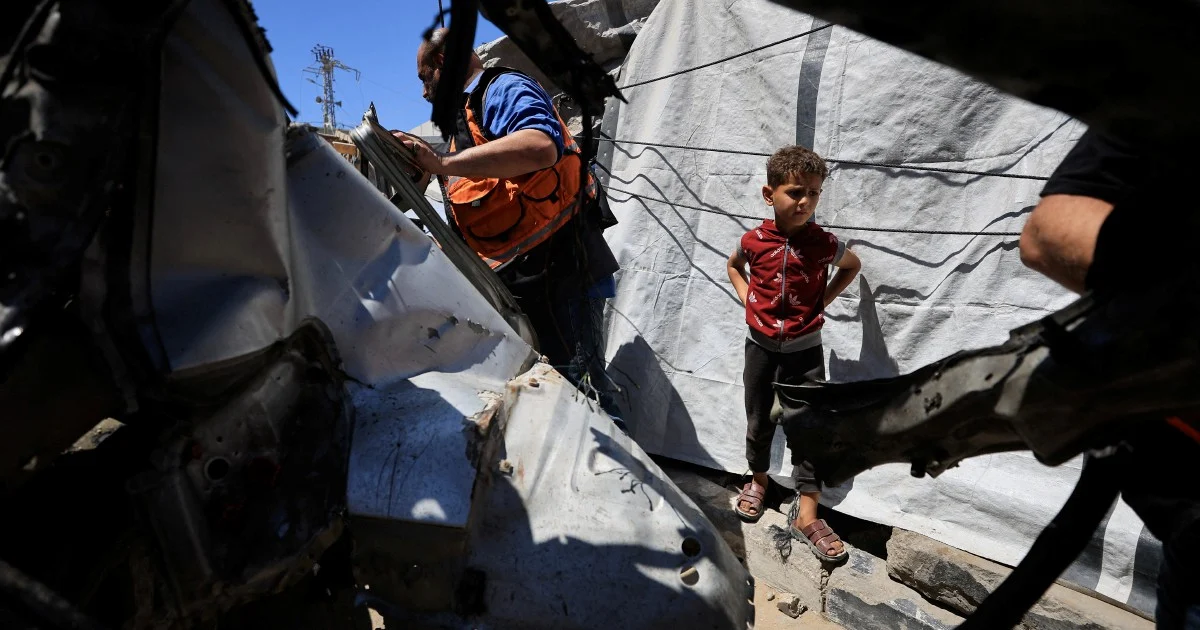
United Nations investigators have levelled serious accusations against Israel, contending that the deliberate targeting of Palestinian children constitutes a central component of what they characterize as an ongoing genocide in Gaza. The findings, released on Tuesday by UN probers based in Geneva, represent one of the most forthright condemnations yet from the international body's fact-finding mechanisms. Israel has vehemently rejected the allegations, dismissing the investigation's conclusions as fundamentally flawed.
The UN investigation adds another layer to the mounting international concern over civilian casualties in the Palestinian territory. Palestinian children have borne a disproportionate toll throughout the conflict, with aid organizations and human rights groups documenting significant numbers of deaths and injuries among minors. The UN's formal characterization of these deaths as part of a deliberate strategy rather than incidental casualties marks a considerable shift in the framing of the violence, moving beyond conventional descriptions of collateral damage.
Genocide is among the gravest charges under international law, reserved for situations involving intent to destroy, in whole or in part, a national, ethnic, racial, or religious group. The UN investigators' application of this terminology to the situation in Gaza reflects their assessment that there exists systematic intent behind the targeting of Palestinian civilians, particularly children. This legal framework carries profound implications for potential accountability mechanisms and international intervention.
The investigation's timing intersects with broader diplomatic efforts and ongoing military operations in the region. Several countries and international bodies have grappled with how to characterize the conflict, with some halting aid, others launching formal inquiries, and numerous nations calling for ceasefires. The UN's strengthened language regarding deliberate targeting of children may influence how other international institutions and states approach their own investigations and policy responses.
Israel has consistently maintained that it operates within international humanitarian law and takes precautions to minimize civilian harm. The country argues that Palestinian militant groups deliberately position military infrastructure and personnel within civilian areas, thereby complicating targeting decisions. Israeli officials have characterized UN investigations as biased and have questioned the methodology and objectivity of international bodies examining the conflict. These counter-arguments form part of a broader contestation over the narrative surrounding military operations in Gaza.
For Malaysian observers and policymakers, the UN's findings assume particular relevance given Malaysia's longstanding advocacy for Palestinian rights within ASEAN and international forums. The country has historically maintained a consistent position supporting Palestinian self-determination and has raised concerns about civilian casualties in various conflicts. The present investigation may factor into Malaysian diplomatic positioning on Middle Eastern issues and could influence statements at upcoming UN sessions.
The documentation of targeting patterns requires sustained verification through multiple sources, and the UN investigation presumably draws upon testimonies, satellite imagery, casualty records, and other evidence. The methodology and reliability of such investigations remain subjects of genuine scholarly and policy debate, with critics arguing that determining intentionality in conflict situations presents significant methodological challenges. Nevertheless, the formal allegations from established UN mechanisms carry weight in shaping international discourse and legal precedent.
Regional security implications extend beyond the immediate Palestinian-Israeli context. The strength and nature of international responses to allegations of genocide and deliberate targeting of children may influence how other regional actors perceive accountability mechanisms and the credibility of international oversight. This broader pattern affects conflict behaviour across multiple ongoing disputes in the Middle East and beyond.
The investigation's conclusions regarding systematic targeting underscore the humanitarian dimension of the Gaza conflict that transcends purely political or military considerations. Children's protection represents a near-universal humanitarian principle, enshrined in international conventions and widely supported across cultures and nations. When major conflicts result in substantial child casualties, the convergence of humanitarian concern with legal accountability frameworks typically intensifies international pressure for resolution.
Further investigations and documented evidence will likely continue accumulating as the situation develops. International courts, fact-finding missions, and humanitarian organizations maintain ongoing documentation efforts. The UN's characterization of the violence as genocide significantly raises the stakes for potential future legal proceedings and accountability processes, though such mechanisms operate on extended timelines and face substantial political obstacles.
For Malaysia's foreign policy apparatus, the UN findings present both opportunity and complexity. Alignment with international humanitarian standards requires consistent application of principles across various conflicts, while balancing regional relationships and diplomatic pragmatism. How Malaysia articulates its position on these UN conclusions will reflect broader strategic considerations beyond the immediate Gaza situation.
The accusations and Israeli rebuttals will likely dominate Middle Eastern diplomacy in coming weeks, influencing statements from UN member states, civil society organizations, and international bodies. The investigation underscores the contentious nature of determining accountability and establishing facts during active conflicts, where competing narratives persist and verification remains difficult. Nevertheless, the formal UN assessment substantially shapes the international legal and diplomatic landscape surrounding Palestinian-Israeli tensions.

