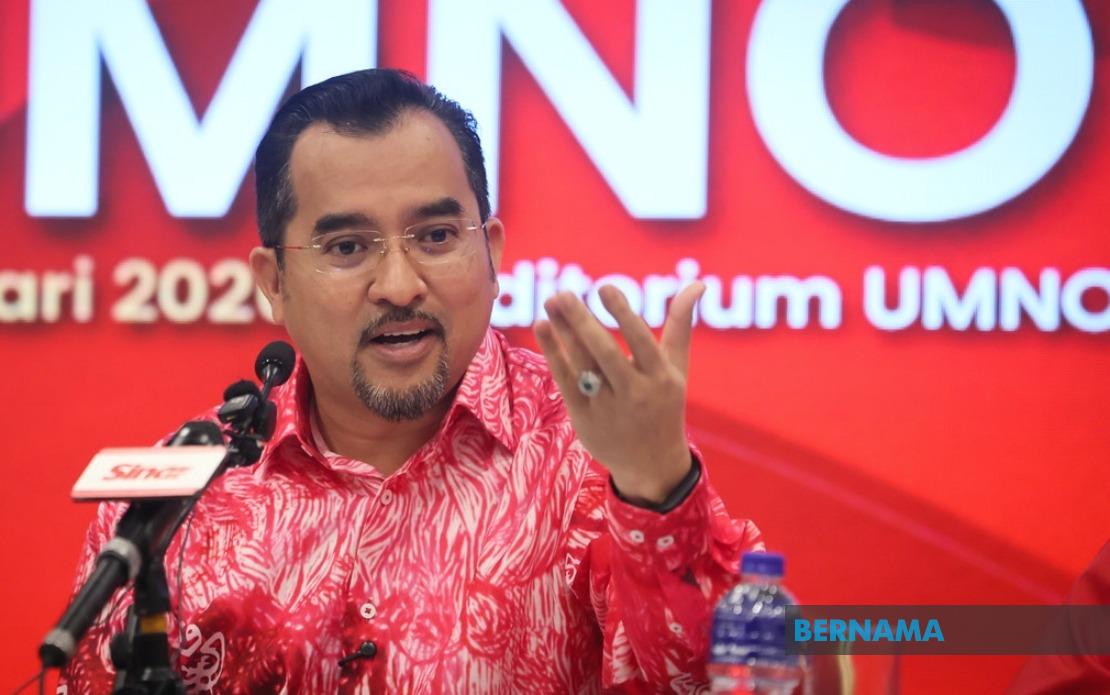
Datuk Dr Mohd Puad Zarkashi's abrupt departure from UMNO this week centres on a internal dispute over candidate selection rather than ideological differences, according to the party's secretary-general Datuk Dr Asyraf Wajdi Dusuki. The Supreme Council member announced his resignation on Facebook on June 25, stating he was stepping down voluntarily to pursue his personal views more openly. Within hours, Asyraf Wajdi provided his account of the circumstances, revealing through a Facebook post that Mohd Puad had expressed dissatisfaction at not seeing his son nominated for the Rengit state assembly seat, one of several contested positions in the forthcoming Johor state election.
The Johor State Legislative Assembly was dissolved on June 1, triggering the machinery for fresh elections. The Election Commission set June 27 as nomination day and scheduled polling for July 11, compressing the political calendar and intensifying competition among potential candidates vying for party endorsement. In this high-stakes environment, internal disputes over candidate selection have surfaced, with Mohd Puad's exit representing one of the more prominent ruptures within UMNO's leadership ranks. Asyraf Wajdi's characterisation of events suggests the party faced pressure from within to accommodate the expectations of senior figures regarding their family members' political advancement.
According to Asyraf Wajdi's account, Mohd Puad had threatened to publicly criticise UMNO and abandon the party unless the leadership acquiesced to his wishes regarding his son's candidacy. In a lengthy written communication to the secretary-general, Mohd Puad allegedly warned of consequences should the party hierarchy reject his demand. While acknowledging that Mohd Puad's son possesses youth and leadership potential, Asyraf Wajdi argued that UMNO's candidate selection process must weigh multiple considerations beyond individual merit or family connections. This explanation reflects broader tensions within the party over how leadership positions and electoral opportunities should be allocated, particularly when senior members believe their contributions warrant special consideration for their successors.
This is not the first instance of such friction involving Mohd Puad, according to Asyraf Wajdi's narrative. During Datuk Seri Najib Tun Razak's tenure as UMNO president, Mohd Puad had similarly threatened to defect unless he was renominated as Member of Parliament for Batu Pahat. The pattern suggests a recurring dynamic in which Mohd Puad has leveraged his position within the party structure to extract concessions regarding electoral candidacies. Each time his expectations were not met, he pursued alternative courses of action, culminating now in his formal resignation from UMNO. The repetition of this behaviour indicates deeper frustrations, possibly rooted in perceptions of inadequate recognition for his service to the party or concerns about his son's political future if not nurtured through official party channels.
Asyraf Wajdi used the occasion to articulate UMNO's foundational principles regarding internal governance and candidate selection. He emphasized that UMNO does not function as a hereditary political organisation in which family lineage determines access to positions or platform. Instead, the party maintains that leadership opportunities should reflect broader party interests and strategic electoral considerations rather than familial networks or the personal ambitions of individual members. This statement carries significance for Malaysian politics more broadly, as it confronts a persistent perception that UMNO operates as a vehicle for elite families and connected interests. By publicly rejecting such characterisations, Asyraf Wajdi attempted to redefine the party's identity around meritocratic principles, at least in public discourse.
Mohd Puad had also alleged that the Johor palace wielded excessive control over UMNO's Johor operations and had orchestrated the dissolution of the state assembly. Asyraf Wajdi dismissed these claims as slander, suggesting they reflect Mohd Puad's personal grievance rather than legitimate institutional critique. The accusation itself, however, touches on a sensitive aspect of Malaysian politics—the relationship between traditional monarchical structures and contemporary political parties, particularly UMNO's historical alignment with royal institutions. The fact that such allegations surface periodically indicates underlying concerns within UMNO about autonomy and decision-making authority, even if party officials reject specific accusations as baseless.
The timing of Mohd Puad's resignation carries particular significance for UMNO's electoral prospects in Johor. The state represents a crucial battleground for the party, and internal divisions can fragment the machinery needed for effective campaigning and mobilisation. His departure, alongside his subsequent allegations regarding palace influence and party governance, risks amplifying questions about UMNO's internal cohesion precisely when the party requires unified effort to contest state elections. For opposition parties, such defections and the accompanying recriminations provide openings to portray UMNO as dysfunctional or riven by personal resentments masquerading as political principle.
Asyraf Wajdi's response attempted to position UMNO as a party transcending individual disappointments and family interests. He argued that the organisation's mission—characterised as championing race, religion, and national interests—supersedes personal ambitions and ought to command the loyalty of members even when their specific preferences are denied. This rhetorical strategy aims to reframe Mohd Puad's departure as the consequence of personal pique rather than principled opposition, thereby insulating the party's broader narrative from damage. However, the need to offer such extended explanation suggests that candidate selection disputes resonate with UMNO members and that Asyraf Wajdi recognised the potential for Mohd Puad's version of events to gain traction within party circles.
For Malaysian readers observing UMNO's internal dynamics, this episode illustrates the continuing tension between personalised politics and institutional governance within the country's largest Malay-Muslim party. UMNO has historically functioned through networks of patronage and family connections, yet leadership figures periodically articulate more universalist principles regarding meritocracy and institutional neutrality. The gap between these rhetorics and actual practice generates periodic crises when ambitious figures believe their contributions warrant special consideration. Mohd Puad's departure is unlikely to be the last such instance, as the party navigates generational transitions and the political aspirations of senior members' family members.
The broader implications extend beyond UMNO to Malaysian politics generally. The Johor state election will test whether such internal divisions materially affect the party's electoral performance, or whether UMNO's organisational apparatus and voter base prove resilient to leadership-level ruptures. The outcome will signal to other potential dissenters within UMNO whether defection carries political costs or whether the party's dominance remains sufficiently secure that individual departures occasion little disruption. For opposition coalitions, the Johor contest presents an opportunity to capitalise on UMNO's internal friction, though the party's historical ability to absorb such shocks should not be underestimated.

