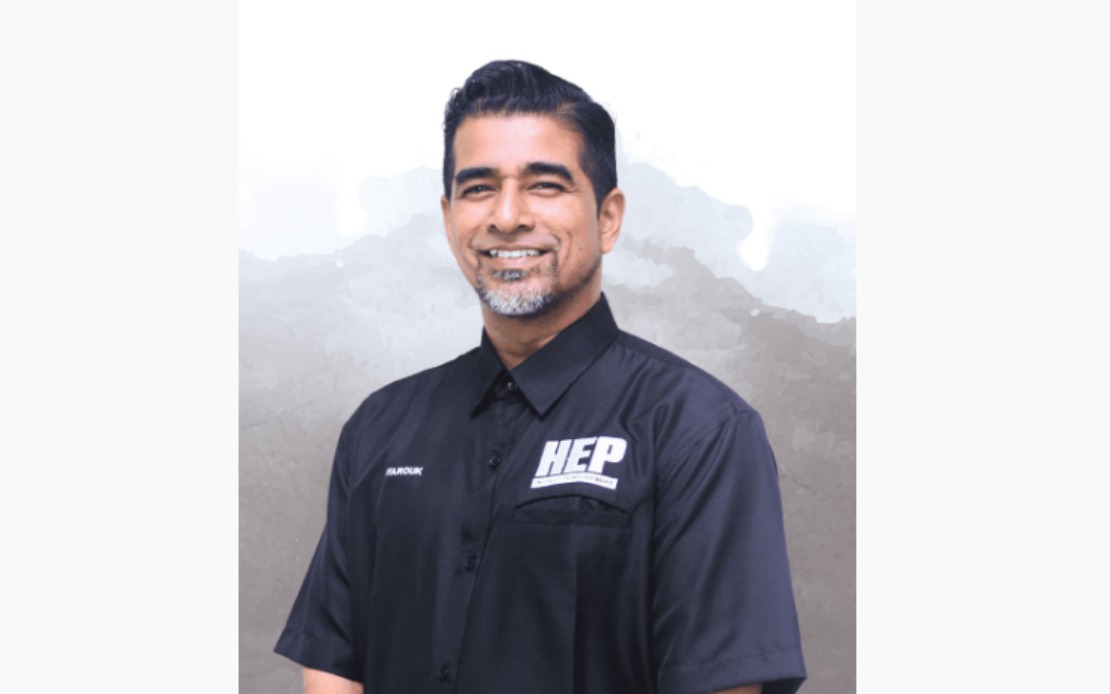
Universiti Teknologi MARA's Kelantan branch is making a concerted push to convince underprivileged students that financial hardship should not be a barrier to higher education, launching an appeal for prospective undergraduates from low-income families to accept their places rather than decline them due to economic concerns. The university's Deputy Rector for Student Affairs, Meer Zhar Farouk Amir Razli, highlighted that a comprehensive safety net exists beyond the commonly known PTPTN loan scheme, encompassing zakat assistance, dedicated welfare funds, and support mechanisms specifically designed to help students manage living expenses during their studies.
The appeal comes amid intensifying competition for places in Malaysia's public higher education sector, where securing a spot at an established institution like UiTM represents a significant achievement for many students. Meer Zhar stressed that given this highly competitive landscape, students who receive offers should carefully explore all available support mechanisms before making the difficult decision to reject their places. He emphasised that many prospective students and their families remain unaware of the breadth of assistance available, potentially missing opportunities due to incomplete information rather than genuine inability to afford their education.
Central to UiTM Kelantan's support infrastructure is the Dapur MADANI initiative, a residential college-based programme designed specifically to address the living cost pressures that disproportionately affect students from disadvantaged backgrounds. The initiative operates by providing practical support for meal costs and daily expenses, recognising that accommodation and food expenditure often represents the largest barrier for low-income undergraduates whose families cannot provide supplementary financial support. This targeted approach acknowledges that loan repayment obligations form only part of the financial burden; students also require immediate liquidity to survive during their studies.
The university's advocacy aligns with a broader institutional commitment demonstrated through the Rector's Cakna Programme, a collaborative initiative involving partnerships with local non-governmental organisations. The programme specifically targets newly enrolled students identified as requiring additional assistance, creating a referral and support pathway that operates before students even begin their studies. This proactive intervention model suggests that UiTM Kelantan recognises that financial crises often occur in the period immediately before enrolment, and by providing targeted assistance at this critical juncture, the institution can prevent capable students from forgoing their educational opportunities.
The personal circumstances of 19-year-old Norzarra Dhania Amir Abdullah illustrate why such programmes matter in the Malaysian context. Norzarra Dhania had previously received an offer to study at UiTM Sarawak but was forced to reject it, a decision driven not by academic inadequacy but by her family's economic vulnerability. Her household, comprising seven siblings supported primarily by their mother's income as a restaurant assistant, faced the compounding challenge of her father's diabetes diagnosis four years earlier, which eliminated another potential income source and likely introduced medical expenses. For families in such circumstances, even a heavily subsidised university education may appear financially impossible if support extends only to tuition fees.
The decision to pursue a Diploma in Management at UiTM Kelantan represents for Norzarra Dhania not merely a return to her interrupted educational trajectory but also a pragmatic solution that reduces the household's financial burden by choosing a campus closer to home. This aspect underscores an often-overlooked dimension of access to higher education in Malaysia: the significance of geographical proximity in determining whether disadvantaged students can realistically attend university. By concentrating resources in campuses throughout the country, including the Kelantan branch, UiTM effectively expands access for students who lack the financial means to relocate to major urban centres where most public universities concentrate their offerings.
The university's decision to present laptops to qualifying students, as demonstrated when Meer Zhar visited Norzarra Dhania's home in Jalan Kebun Sultan, indicates institutional recognition that the barriers facing low-income undergraduates extend beyond tuition and living costs to encompass the technology requirements of contemporary higher education. Digital access has become fundamental to university participation, particularly as pedagogical delivery increasingly incorporates online components and digital assessment methods. By providing essential technology, UiTM removes another potential source of disadvantage that might otherwise prevent capable students from fully engaging with their coursework.
The phenomenon of capable students declining university places due to financial anxiety has broader implications for Malaysia's human capital development. When students from disadvantaged backgrounds forfeit higher education opportunities, the nation loses potential contributions from talent pools that remain systematically underrepresented in tertiary education. The cumulative effect of individual decisions to reject places due to perceived financial impossibility potentially truncates career trajectories and perpetuates socioeconomic stratification, as educational attainment remains one of the most significant determinants of lifetime earnings and economic mobility in Malaysia.
UiTM Kelantan's messaging strategy—encouraging students to seek information before declining offers—attempts to counter what might be characterised as information asymmetry and pessimistic assumptions about financial viability. Students and families often operate with incomplete knowledge of available support mechanisms, potentially overestimating the actual financial burden of university attendance relative to what assistance can cover. By actively communicating the existence and accessibility of zakat support, welfare funds, and initiatives like Dapur MADANI, the institution aims to shift decision-making from assumptions of unaffordability to calculations based on concrete information about actual net costs.
The reliance on zakat assistance as part of the university's support architecture reflects the integration of Islamic financial principles into Malaysia's higher education access strategy. Zakat, as a mandatory charitable contribution within Islam, provides a culturally consonant and religiously motivated funding source specifically designed to benefit those experiencing financial hardship. This approach recognises that for many Muslim students and families, zakat represents a legitimate and honourable source of support, potentially carrying fewer psychological barriers than means-tested welfare assistance and reflecting community-based mutual obligation rather than institutional charity.
The broader context of UiTM's initiatives must also account for the particular demographics served by this institution. UiTM has historically positioned itself as providing opportunities for students from disadvantaged socioeconomic backgrounds, and this mission remains reflected in contemporary programmes and outreach efforts. However, as tuition fees and living costs continue escalating across the Malaysian higher education sector, the effectiveness of institutional support mechanisms in maintaining genuine access for low-income students requires continuous evaluation and resource allocation adjustments.
For Malaysian readers and policymakers, the experience at UiTM Kelantan suggests that institutional commitment to access requires both the existence of financial support mechanisms and proactive, personalised communication to prospective students about their availability. Norzarra Dhania's trajectory—from declining a place at UiTM Sarawak to accepting an offer at UiTM Kelantan with active institutional support—demonstrates that proximity to home and knowledge of available assistance can transform educational outcomes for students facing financial constraints. As Malaysia seeks to expand tertiary education participation and develop human capital from all socioeconomic segments of society, scaling such targeted support mechanisms across the higher education system may represent a pragmatic approach to identifying and nurturing talent that might otherwise remain underdeveloped.