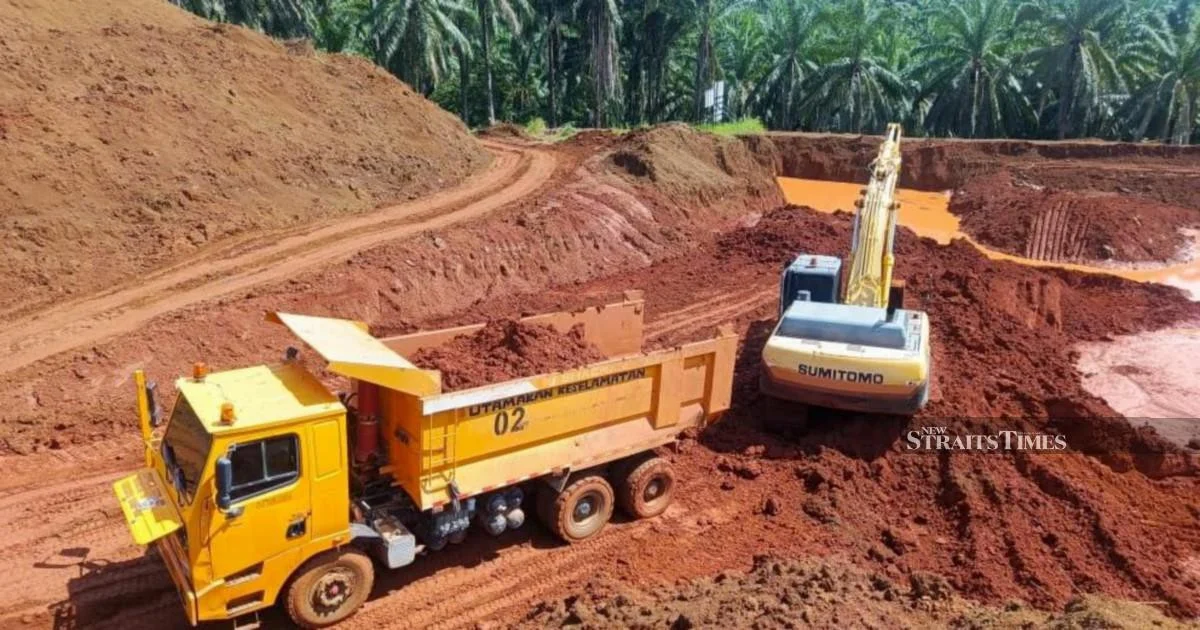
Law enforcement authorities in Terengganu have made significant progress in combating unauthorised mineral extraction operations, with two men taken into custody in Marang following investigations into an illegal silica sand transfer scheme. The arrests represent an intensified crackdown on illicit mining activities in the state, where silica sand resources remain a valuable commodity subject to strict regulatory oversight. The scale of equipment recovered—machinery valued at RM1.8 million—underscores the substantial commercial nature of the operation being dismantled and suggests a well-established unauthorised extraction and transportation network.
Silica sand constitutes an essential industrial material with applications spanning glass manufacturing, construction, electronics, and foundry operations. The demand for these minerals within Malaysia's manufacturing sector and from regional markets creates persistent incentives for unauthorised extraction and trafficking. Terengganu's coastal geography and geological deposits make the state a focal point for both legitimate and illegal mining activities, necessitating constant regulatory vigilance to prevent resource theft and environmental degradation.
The Marang district, situated in central Terengganu, has historically witnessed mineral-related enforcement operations. These arrests align with broader enforcement patterns across Malaysia's peninsula, where environmental agencies and law enforcement bodies have progressively tightened controls on sand and mineral extraction following mounting concerns about riverine depletion, coastal erosion, and habitat destruction. The government's intensified focus on illegal mining reflects recognition that such operations simultaneously deplete natural resources, undermine legitimate mining enterprises, and generate substantial unreported income that escapes taxation.
The arrested individuals are suspected of orchestrating the movement and transfer of extracted silica sand outside formal licensing channels. Such operations typically involve collaboration between extraction teams, transport personnel, and buyers operating within informal supply networks. The involvement of machinery valued at RM1.8 million indicates that these were not opportunistic, small-scale extraction efforts but rather systematic operations requiring significant capital investment and infrastructure. Equipment seizures of this magnitude frequently necessitate complex follow-up investigations to trace ownership, financing sources, and distribution networks.
Investigations into illegal mineral extraction have become increasingly sophisticated in Malaysia, with enforcement bodies utilising technology, satellite imagery, and financial tracking alongside traditional surveillance methods. The focus on tracing material transfers reflects recognition that supply chains represent critical enforcement opportunities. By disrupting transportation and transfer networks, authorities can dismantle operations at multiple points rather than addressing only point-source extraction sites. This approach proves more effective for preventing resource leakage and dismantling organised networks operating across multiple jurisdictions.
For Malaysian readers and regional observers, these arrests underscore the government's commitment to environmental protection and resource stewardship, particularly as climate change and development pressures intensify competition for remaining natural reserves. The enforcement action also signals to legitimate mineral extraction companies that regulatory standards remain non-negotiable, potentially supporting market conditions for licensed operators. However, the continued existence of sufficiently profitable illicit operations to justify RM1.8 million in equipment investment suggests that enforcement capacity, border controls, and supply-chain transparency require sustained enhancement.
The financial dimension of illegal silica sand trafficking warrants attention. Silica sand commands competitive market prices, with demand from industrial users creating margins substantial enough to attract criminal networks despite enforcement risks. Cross-border sales to regional manufacturing hubs potentially generate export revenues for criminal operators while depriving Malaysia of resource value and export earnings. The economic incentives surrounding these operations will require sustained attention from customs authorities, port officials, and trading regulators alongside traditional law enforcement agencies.
Environmental implications of unauthorised extraction extend beyond immediate resource depletion. Unregulated sand mining contributes to riverbank destabilisation, altered water flow patterns, and damage to aquatic ecosystems. Coastal sand extraction accelerates erosion threatening communities and infrastructure. These operations frequently proceed without environmental impact assessments, remediation planning, or restoration obligations imposed on legitimate licensed operators. The accumulation of such environmental damage across multiple illicit sites creates long-term degradation that eventually necessitates expensive restoration efforts.
The investigation outcomes remain subject to ongoing legal proceedings. The arrested individuals face potential charges under relevant mining and environmental legislation, with penalties typically encompassing fines and imprisonment. Equipment seizure creates additional financial consequences for alleged operators. These legal mechanisms, combined with operational disruption caused by asset seizure, theoretically create sufficient disincentives to discourage participation in illegal extraction. However, enforcement effectiveness ultimately depends on consistent prosecution, adequate sentencing, and sustained monitoring of high-risk mining areas.
Authorities have not yet released detailed information regarding the specific transfer mechanisms employed, the intended destination of extracted materials, or whether the operation possessed institutional links to larger networks. Such details frequently emerge through subsequent investigative stages and formal legal proceedings. Regional law enforcement cooperation may prove essential if the operation involved interstate transport or cross-border transfers, dimensions requiring coordination with Kelantan authorities and potentially federal-level enforcement bodies. The geographic location of illicit extraction sites versus transfer points may span multiple administrative jurisdictions, complicating investigative and enforcement responsibilities.

