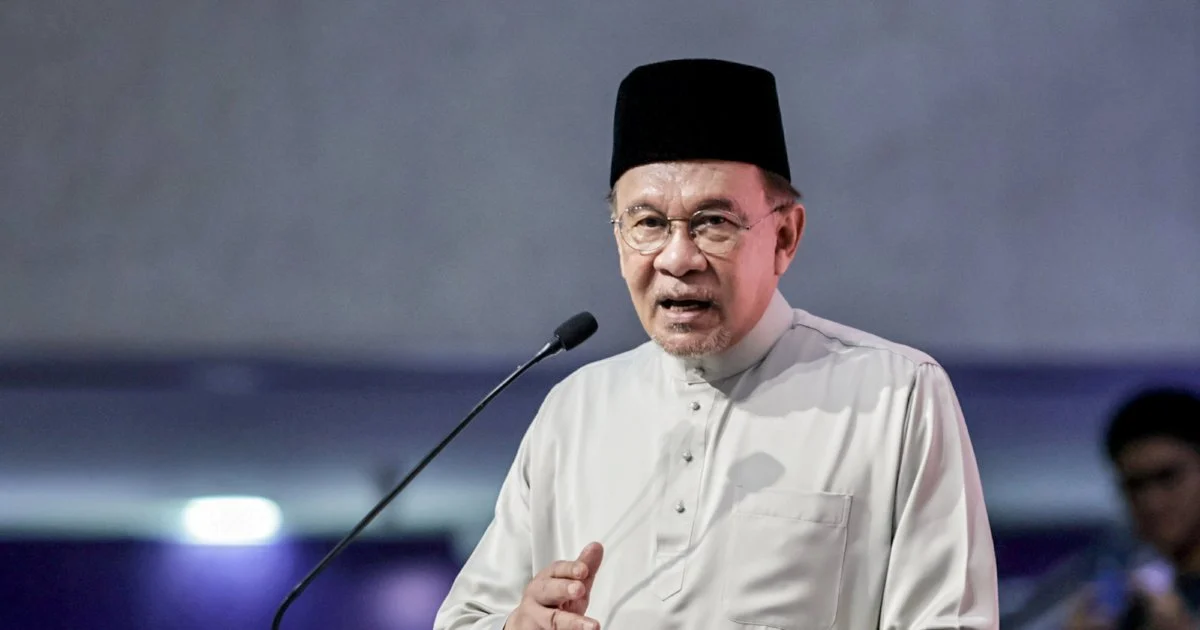
The Tunku Mahkota of Johor, Tunku Ismail Sultan Ibrahim, received Prime Minister Datuk Seri Anwar Ibrahim during a formal audience in Kuala Lumpur, with officials characterising the interaction as marked by cordiality and mutual understanding. The meeting underscores the collaborative relationship between the country's political leadership and the royal institution, a dynamic that remains central to Malaysia's constitutional monarchy framework.
Such audiences between senior royal figures and the prime minister serve as important ceremonial and substantive touchpoints within Malaysia's governance structure. The Tunku Mahkota, as heir to the Johor throne, occupies a particularly significant position given Johor's historical and contemporary importance as one of the federation's most influential states. The state commands considerable economic clout through its petroleum resources, strategic geographic location, and substantial manufacturing base, making relations between its royal household and the federal government a matter of institutional interest.
The tenor of the meeting—described as harmonious—carries symbolic weight at a time when the stability of Malaysia's political environment remains subject to ongoing scrutiny. Regular engagement between key power centres, particularly between the executive leadership and the royal establishment, reflects a functioning constitutional order. These interactions, while sometimes portrayed as merely ceremonial, often provide opportunities for the exchange of perspectives on matters of national significance.
Tunku Ismail Sultan Ibrahim has become an increasingly visible figure in Malaysian public discourse over recent years, extending his engagement beyond Johor-specific matters to participate in discussions of broader national importance. His willingness to receive the Prime Minister for a substantive meeting demonstrates an openness to dialogue with the current administration. In Malaysia's political context, where relationships between state governments and federal leadership can occasionally become fractious, such cordiality is noteworthy.
The meeting venue in Kuala Lumpur rather than Johor suggests an official nature befitting a prime ministerial visit to a senior member of the royal hierarchy. The choice of location and the formal nature of the audience indicate that this was not an ad-hoc or casual encounter but rather a scheduled engagement of diplomatic significance. Such meetings typically involve discussions that may range from state-level development initiatives to matters of broader constitutional and governance interest.
Malaysia's system of constitutional monarchy, with a rotating Yang di-Pertuan Agong position, invests considerable importance in the heads of the various state royal houses. The Johor royal household, with its long historical lineage and contemporary influence, wields particular standing within this framework. The Tunku Mahkota's position as presumptive heir makes his relationship with federal leadership especially consequential for questions of institutional continuity and cooperation.
The harmonious character of the interaction also reflects the importance placed by both the royal institution and the current government on maintaining institutional coherence. In recent years, Malaysia has navigated significant political transitions, and the demonstration that relationships between the crown and cabinet remain fundamentally sound serves a reassuring function for observers concerned with governmental stability. The public acknowledgement of cordiality and positive engagement helps reinforce confidence in the functioning of constitutional mechanisms.
For Southeast Asian observers, Malaysia's management of relationships between royal institutions and elected leadership offers lessons in maintaining constitutional balance. The region includes various iterations of monarchy and executive authority, and Malaysia's approach—characterised by regular dialogue and mutual respect despite occasional tensions—represents a model of pragmatic constitutional governance. The Tunku Mahkota's receptiveness to meeting with the current Prime Minister demonstrates an institutional commitment to transcending any partisan considerations.
The meeting also carries relevance for Johor's development trajectory and its place within broader national planning. Whether formal discussions addressed infrastructure projects, economic initiatives, or responses to regional challenges, the improved climate of engagement between state royal authority and federal executive capacity provides a more conducive environment for collaborative policymaking. Johor's economic significance means that coordination between its royal household and federal leadership directly impacts the state's prosperity and development outcomes.
Looking forward, such audiences serve as platforms for addressing emerging challenges and opportunities facing both the state and nation. The cordial atmosphere reported from this meeting suggests an alignment on the importance of institutional partnership, even as distinct constitutional roles and occasional policy disagreements may exist. For Malaysia's political stability and the pursuit of national development objectives, the maintenance of harmonious relations between these centres of influence remains fundamentally important, and today's audience represents a positive signal in that direction.

