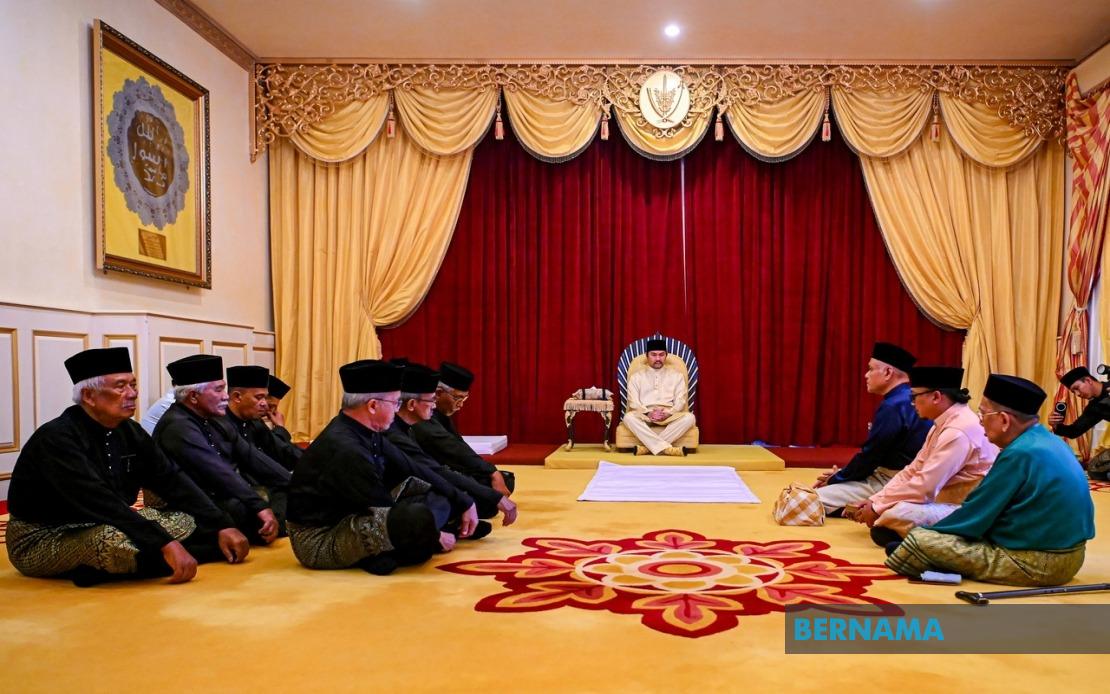
The Yang Dipertuan Besar of Negeri Sembilan, Tuanku Muhriz Tuanku Munawir, has granted his approval for a formal royal audience ceremony to be conducted at Istana Besar Seri Menanti in Kuala Pilah on Saturday morning. The ceremony will mark the official installation of Muhammad Faris Johari, a 29-year-old, as the 11th Undang of Luak Sungei Ujong, completing a leadership transition that has unfolded according to the state's distinctive adat governance traditions.
The decision to proceed with the installation ceremony was communicated through Tunku Besar Seri Menanti Tunku Ali Redhauddin Tuanku Muhriz, who conveyed his father's consent during an audience with the Datuk-Datuk Adat of Luak Sungei Ujong and their accompanying delegation. The timing of the announcement reflects the customary protocols observed within Negeri Sembilan's unique federal structure, where the Undang system preserves centuries-old administrative and ceremonial roles across the state's four luaks, or territorial divisions.
Negeri Sembilan's governance framework stands apart from other Malaysian states through its continuation of traditional Minangkabau-influenced adat systems. The role of Undang represents far more than a ceremonial position; these leaders serve as custodians of local customs, adjudicators in matters of tradition, and representatives of their communities within the broader state administration. The appointment of Johari through the Buapak customary council assembly demonstrates the persistence of this heritage-based selection process, whereby respected adat leaders deliberate and choose suitable candidates based on established criteria and community standing.
The installation of Johari follows the formal dismissal of Datuk Klana Petra Datuk Mubarak Dohak, who previously held the position as the 10th Undang of Luak Sungei Ujong. The Dewan Keadilan dan Undang, an institution responsible for adjudicating matters relating to customary law and the Undang hierarchy, accepted his removal at a special sitting presided over by Tuanku Muhriz himself. Such proceedings underscore the seriousness with which Negeri Sembilan treats questions of leadership conduct and adherence to adat principles, ensuring that individuals holding these prestigious positions maintain the standards expected by their communities.
Waris Negeri Sungei Ujong Datuk Sinda Maharaja Razlan Hamid, representing the luak in official capacity, confirmed that the entire selection process for Johari's appointment adhered strictly to customary law and the traditions historically observed within Luak Sungei Ujong. This emphasis on procedural correctness carries considerable weight in Negeri Sembilan's political culture, where deviation from adat protocols can spark controversy and questions about legitimacy. By ensuring transparency regarding the customary foundations of the selection, the adat leaders have worked to establish broad acceptance of the appointment within their community.
The forthcoming royal audience ceremony itself constitutes a significant event within the state's ceremonial calendar. Known formally as the Istiadat Menghadap Menjunjung Duli Bagi Menyempurnakan Kejadian Undang Luak Sungei Ujong, this ritual marks not merely an administrative change but a symbolic moment when the state's highest authority acknowledges and legitimises the new leader within the luak's traditional hierarchy. Such ceremonies serve to reinforce the interconnection between adat governance and the constitutional monarchy, demonstrating how Malaysia's federal structure accommodates diverse governance traditions within the broader national framework.
Menteri Besar Datuk Seri Aminuddin Harun confirmed the procedural steps undertaken during the special sitting at Istana Besar Seri Menanti, highlighting the coordinated approach adopted by both state government institutions and adat bodies in managing this transition. This collaborative approach reflects how Negeri Sembilan has evolved mechanisms to ensure that its traditional governance systems operate in concert with modern state administration, avoiding potential conflicts between customary authority and constitutional government.
On the same Saturday, a parallel installation ceremony will also unfold for the 22nd Undang of Luak Rembau, reflecting a broader pattern of leadership transitions across Negeri Sembilan's territorial divisions. The consolidated timing of these ceremonies suggests coordinated planning aimed at managing multiple governmental changes efficiently while maintaining the ceremonial dignity each occasion deserves. For Malaysian observers unfamiliar with Negeri Sembilan's structures, these simultaneous installations offer insight into how the state manages its four luaks as semi-autonomous administrative units, each with respected traditional leadership.
The involvement of the Orang Empat Istana, a traditional council of senior adat figures, in finalising ceremony arrangements demonstrates the layered decision-making processes embedded within Negeri Sembilan's governance. These custodians of protocol ensure that every detail conforms to established precedent, preserving ceremonial integrity while accommodating contemporary requirements. Their role extends beyond mere formality; they serve as guarantors that procedures genuinely reflect adat principles rather than arbitrary exercise of authority.
For the broader Malaysian context, these developments underscore how subnational governance in Malaysia embraces considerable diversity in approach and philosophy. While many states have substantially modernised their administrative structures, Negeri Sembilan has deliberately preserved and adapted its traditional adat systems, finding ways to make them compatible with federal constitutional arrangements. This balancing act offers valuable lessons in institutional pluralism and demonstrates that traditional governance frameworks need not obstruct effective, legitimate administration.
The appointment of Johari as the new Undang carries expectations that extend beyond ceremonial performance. As a 29-year-old assuming this historically significant role, he inherits considerable responsibility for representing his luak's interests, mediating community disputes according to adat principles, and maintaining the traditions that have defined Sungei Ujong's identity. His youthful age may also signal a deliberate choice by the customary council to blend respect for tradition with forward-looking leadership capable of addressing contemporary challenges within a framework of established values.

