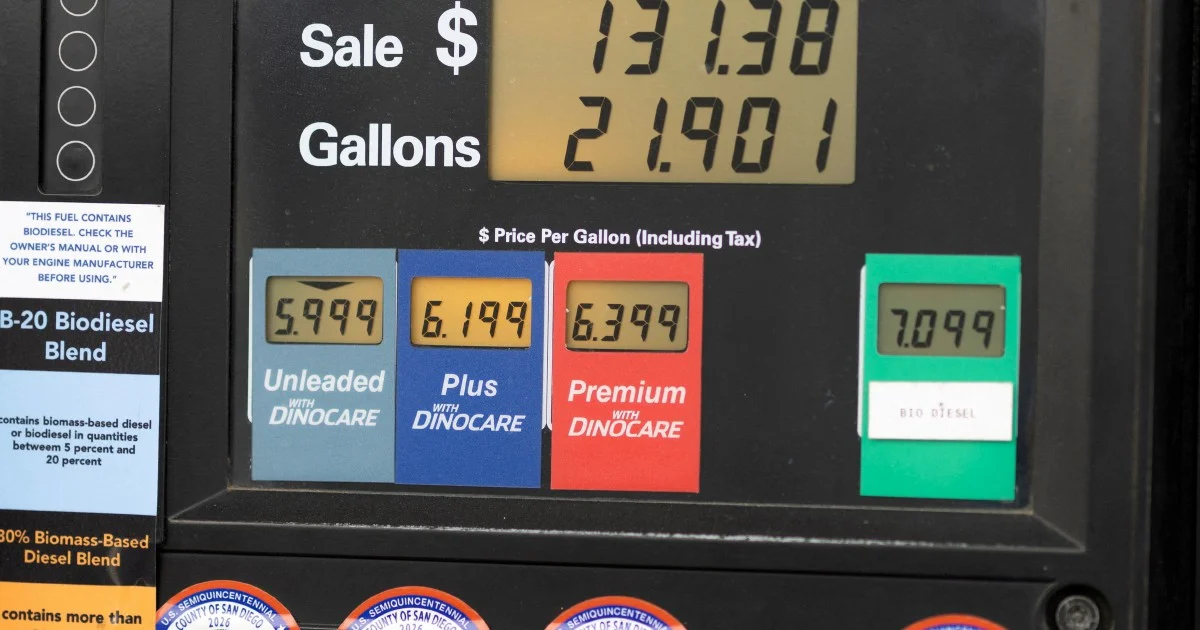
Donald Trump has directed federal authorities to launch a formal investigation into leading oil corporations, citing elevated petrol prices that have resisted the administration's expectations for rapid decline. The US President's move reflects growing frustration with energy markets that have remained stubbornly resistant to the downward trajectory the White House anticipated following various policy initiatives.
The investigation comes at a politically sensitive moment, as Trump confronts criticism regarding the economic ramifications of escalating Middle East tensions. The region's geopolitical volatility has created persistent upward pressure on crude oil prices globally, complicating the administration's messaging on economic performance ahead of important political cycles. The directive underscores the administration's attempt to shift responsibility for high energy costs away from its own policies and toward market participants.
Oil markets have remained volatile throughout recent months, with geopolitical risks, production decisions by major exporters, and refinery constraints all contributing to price floors that exceed what many analysts consider sustainable under normal demand conditions. Trump's frustration reflects a broader political reality: voters consistently cite fuel prices among their primary economic concerns, and administrations of all stripes face pressure to demonstrate action when pump prices diverge from public expectations.
For Malaysian readers, the Trump administration's approach offers instructive parallels with regional energy politics. Southeast Asian economies remain heavily dependent on global crude oil prices, which influence everything from transportation costs to electricity generation. When major consuming nations like the United States investigate or attempt to constrain their own energy costs, the policy reverberations eventually reach smaller, import-dependent markets throughout the region.
The investigation's scope and findings remain unclear at this preliminary stage, but historically such probes focus on production decisions, pricing mechanisms, and whether companies have violated antitrust statutes or engaged in coordinated behaviour that artificially elevates costs. The US petroleum industry operates under complex regulations that balance consumer protection against industry profitability and investment incentives necessary for maintaining supply security.
International oil markets have experienced substantial price swings since the escalation of Middle East conflicts. These fluctuations have ripple effects throughout global commerce, affecting shipping costs, manufacturing expenses, and ultimately consumer prices for virtually all goods. Nations that import refined petroleum products, including Malaysia and most of its Southeast Asian neighbours, experience immediate consequences when crude benchmarks shift significantly.
Trump's directive also reflects the administration's broader economic message heading into a critical political period. High energy costs represent one of the few significant economic headwinds in an otherwise resilient US economy, and the President faces political necessity in demonstrating proactive leadership on cost-of-living issues that directly affect household budgets and purchasing power.
The investigation may examine whether major oil companies have deliberately constrained refining capacity, thereby limiting gasoline supply and supporting elevated prices. Alternatively, it could focus on whether producers have made investment decisions that prioritise shareholder returns and dividend payments over expanding production capacity. Such inquiries typically involve substantial documentation review and require months or years to reach conclusions.
For regional economies, Trump's intervention highlights the vulnerability of import-dependent energy markets to major power political decisions. Malaysian policymakers have long recognised that domestic fuel subsidies and price controls offer only temporary insulation from global crude volatility. The structural vulnerability of Southeast Asian economies to energy price shocks explains the region's substantial investments in renewable energy infrastructure and diversified import relationships.
The investigation announcement simultaneously signals to oil markets that the US government intends to prevent what it perceives as excessive pricing. Markets respond to such signals, though the actual impact on crude futures and refined product costs depends on whether participants believe the probe will yield meaningful restrictions on industry behaviour or merely represent political theatre.
Geopolitical tensions in the Middle East remain unresolved, suggesting continued pressure on crude prices for the foreseeable future. This dynamic creates a peculiar situation for consuming nations: investigating domestic oil companies may provide political satisfaction but cannot directly address the underlying supply constraints and geopolitical risk premiums embedded in global crude benchmarks.
Malaysia and other resource-importing economies have particular interest in stable, predictable energy pricing. Volatile markets complicate planning for utilities, transportation networks, and manufacturing sectors that depend on consistent input costs. When major consuming nations like the United States introduce policy uncertainty through investigations and potential regulatory interventions, these effects eventually transmit to upstream markets affecting everyone from importers to domestic energy companies throughout the region.

