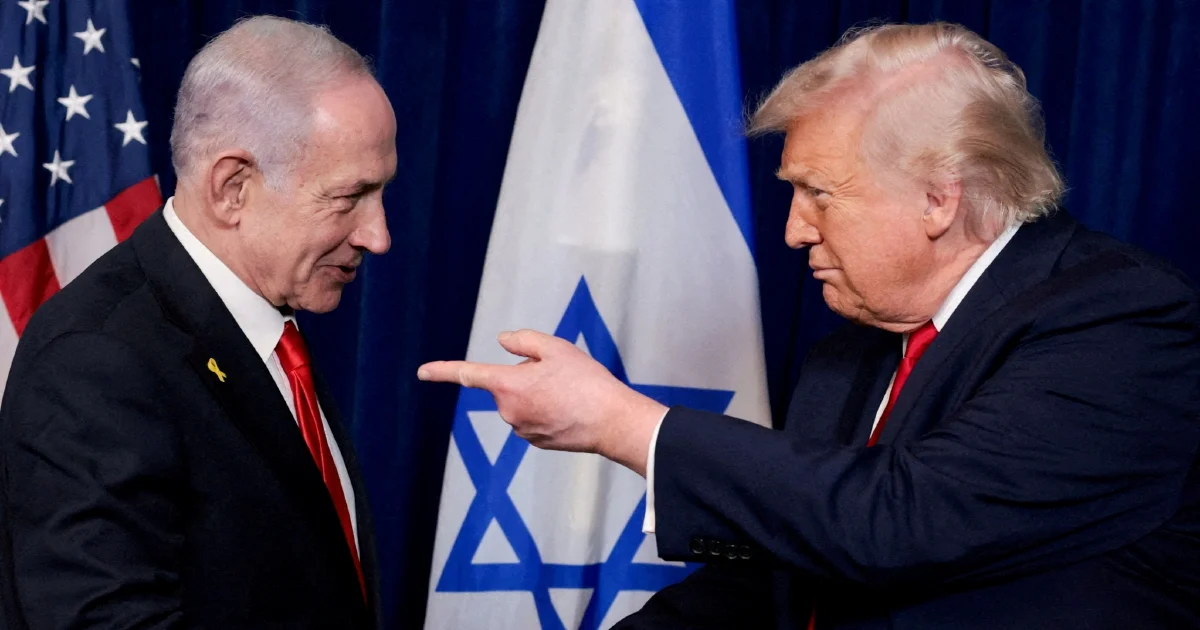
United States President Donald Trump has delivered an uncommon public criticism of Israel's military strategy in Lebanon, expressing concern that the targeting of Hizbollah combatants through large-scale building demolitions is producing unacceptable civilian casualties. During remarks made on Tuesday, Trump suggested that the destruction of entire residential structures represents a disproportionate response to the security threat posed by the Iran-backed militant group, indicating that such tactics may not be essential to military objectives.
The statement represents a notable departure from the consistent diplomatic support the United States has traditionally provided Israel, particularly regarding security matters in the Middle East. For Malaysian observers closely monitoring regional dynamics, Trump's comments signal potential shifts in how Washington calibrates its Middle East policy, especially given the significant impact that US strategic positioning carries across Southeast Asia's broader geopolitical landscape.
Israel has sustained an intensive military campaign against Hizbollah positions throughout Lebanon following months of escalating border tensions. The operations have involved sustained airstrikes targeting what Israeli officials characterise as militant infrastructure and fighter concentrations, but independent assessments and humanitarian organisations have documented substantial civilian displacement and infrastructure damage. The extent of building destruction has drawn international attention and criticism, though support from Western allies has remained largely intact despite growing human rights concerns.
Trump's criticism arrives at a delicate moment in American-Israeli relations, where domestic political considerations in the United States intersect with broader strategic calculations. The American president's willingness to voice public disagreement, even mildly framed, suggests evolving boundaries within Washington's traditional unconditional backing of Israeli security operations. This nuance matters significantly for regional analysts seeking to understand how American power may be deployed differently during Trump's second term.
The Lebanese crisis exemplifies the interconnected nature of Middle Eastern conflicts, with implications that ripple across global markets and security architecture. Hizbollah's presence in Lebanon remains deeply entangled with Iranian regional ambitions, Syrian state interests, and the historical Palestinian-Israeli dispute. Civilian casualties and displacement in Lebanon inevitably complicate diplomatic pathways and inflame sentiment among Arab populations, effects that reverberate through Muslim-majority nations including Malaysia.
From a Southeast Asian perspective, any reduction in American unconditional support for Israeli operations could reshape Middle Eastern stability, with secondary consequences for energy security, trade routes, and regional partnerships. Malaysia's own significant Muslim population and its diplomatic relationships throughout the Muslim world mean that developments in Lebanon receive careful domestic attention, particularly when they involve civilian suffering.
The Trump administration's emerging approach may reflect calculations about the political costs of appearing indifferent to civilian harm, especially within Democratic constituencies traditionally concerned with humanitarian issues. However, the practical implications of Trump's critique remain uncertain—whether it signals a fundamental recalibration of American Middle East policy or merely reflects presidential communication style remains to be determined through subsequent actions and diplomatic initiatives.
Trump's characterisation of apartment building destruction as unnecessary echoes arguments previously advanced by international humanitarian organisations and some academic analysts of urban warfare tactics. The suggestion that alternative methods exist to pursue military objectives without flattening residential structures touches on broader debates about proportionality in armed conflict, a principle central to international humanitarian law that both Israel and the United States formally endorse.
For Malaysian policymakers and analysts, Trump's comments underscore the importance of monitoring American diplomatic rhetoric closely, as shifts in Washington's position inevitably influence the strategic calculations of regional powers and non-state actors. The American president's willingness to express concern about civilian casualties, even if not accompanied by concrete policy changes, may influence international opinion and potentially constrain the scope of future Israeli operations through reputational considerations.
The timing of Trump's criticism also warrants examination, coinciding as it does with broader American strategic reassessments following the dramatic escalation of Israeli-Hizbollah hostilities. Whether these comments represent the beginning of a more assertive American role in mediating Middle Eastern conflicts or merely rhetorical positioning remains unclear, but the signal itself represents an important data point for those tracking the contours of American foreign policy under Trump's renewed presidency.
Moving forward, the trajectory of American pressure on Israel regarding Lebanese civilian casualties will substantially influence regional dynamics affecting everything from humanitarian aid flows to diplomatic standing among Arab nations. For Malaysia and other Southeast Asian countries maintaining careful balances between Western partnerships and Muslim world solidarity, developments in this arena carry real consequences for regional alignment and international standing.