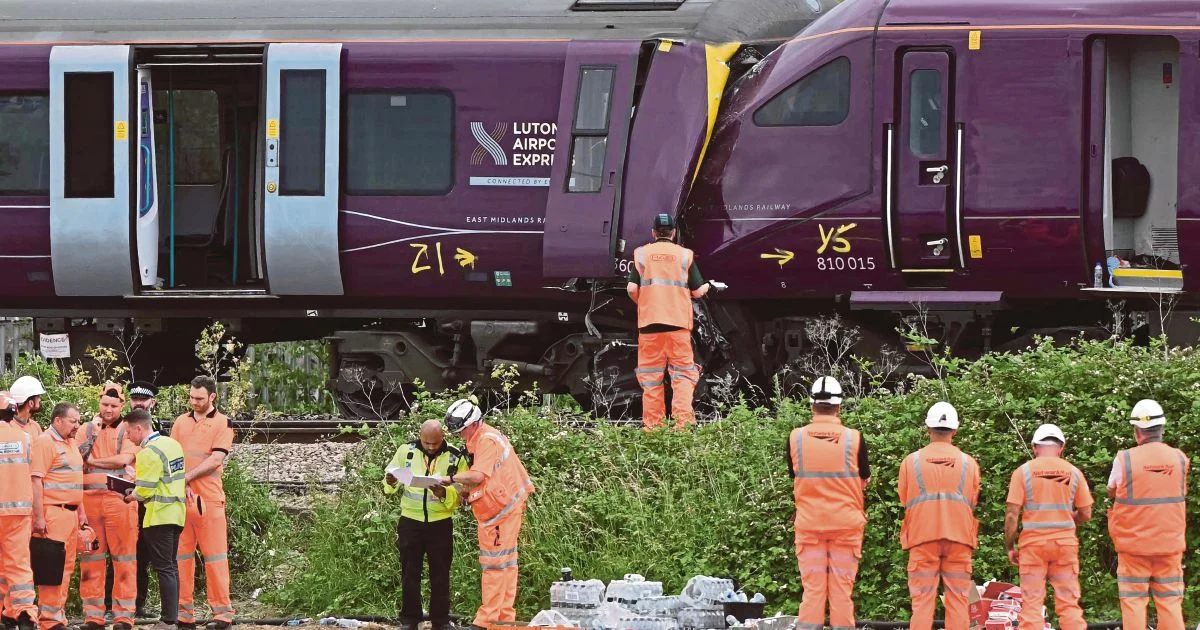
A collision between two trains north of London has claimed the life of a driver and left dozens of passengers requiring medical attention, with nine among the injured in critical condition. The incident, which occurred in the Bedford area, triggered an immediate response from emergency services and prompted the launch of a formal investigation by UK accident authorities.
The crash represented a significant transportation safety incident in the United Kingdom, drawing scrutiny from railway accident investigators tasked with determining how the collision occurred. Such catastrophic incidents on rail networks attract intense examination given the potential for mass casualties and the critical importance of train safety systems and protocols.
Among those requiring hospital treatment following the collision were 28 individuals, whose conditions ranged from severe injuries requiring intensive care to more moderate trauma. The inclusion of nine passengers in critical condition underscored the severity of the impact and the force with which the two trains came together. Emergency responders faced the substantial challenge of triaging and transporting the injured from the scene to multiple healthcare facilities across the region.
The death of the train driver marked a tragic human cost to the accident. Drivers occupy crucial safety roles within rail operations, responsible for controlling vast, heavy vehicles carrying hundreds of passengers at significant speeds. The loss of a driver in such circumstances raises immediate questions about safety systems, whether mechanical failures, human error, or external factors contributed to the tragedy.
Investigators tasked with examining the collision would focus on multiple potential contributing factors. Modern train safety systems incorporate numerous redundancies and safeguards designed to prevent such incidents, including automatic braking mechanisms, signalling systems, and speed regulation equipment. Any failure or malfunction of these systems would form a critical component of the formal inquiry.
The Bedford region's rail infrastructure, which carries substantial passenger and freight traffic connecting London with destinations further north, would now face heightened scrutiny. Understanding whether the collision resulted from equipment failure, human factors, environmental conditions, or inadequate safety protocols holds consequences not only for the specific service affected but potentially for broader railway operations across the UK network.
For Malaysian and Southeast Asian readers, such incidents serve as reminders of the ongoing challenges facing rail safety globally, even in developed nations with mature transportation infrastructures. The region's expanding rail networks, including high-speed services under development, must incorporate lessons from international incidents to establish robust safety cultures and systems capable of preventing similar tragedies.
The immediate aftermath of such collisions typically involves coordinated responses from multiple agencies. Emergency medical services, railway operators, local authorities, and accident investigation bodies must work in concert to manage the crisis, assist the injured, secure the scene, and begin the investigative process. The scale of this incident, with nearly 30 hospitalized individuals, represented a significant strain on local emergency response capabilities.
Railway safety historically improves through rigorous investigation of accidents, identification of root causes, and implementation of corrective measures. Each major incident contributes to a body of knowledge that helps shape industry standards, regulatory requirements, and operational practices across the sector. The findings from this inquiry would likely influence recommendations affecting not only the operator involved but potentially the broader UK railway network.
The psychological and emotional impact on passengers who survived the collision, along with first responders and railway staff, extends beyond the immediate physical injuries. Such traumatic experiences often require ongoing support and represent hidden costs of rail accidents that extend well beyond medical treatment and investigation expenses.
For the families of the deceased driver and the injured passengers, the investigation would also serve to answer crucial questions about responsibility and accountability. Understanding precisely how the collision occurred remains essential for those affected to process the tragedy and pursue appropriate remedies or recognition of culpability.

