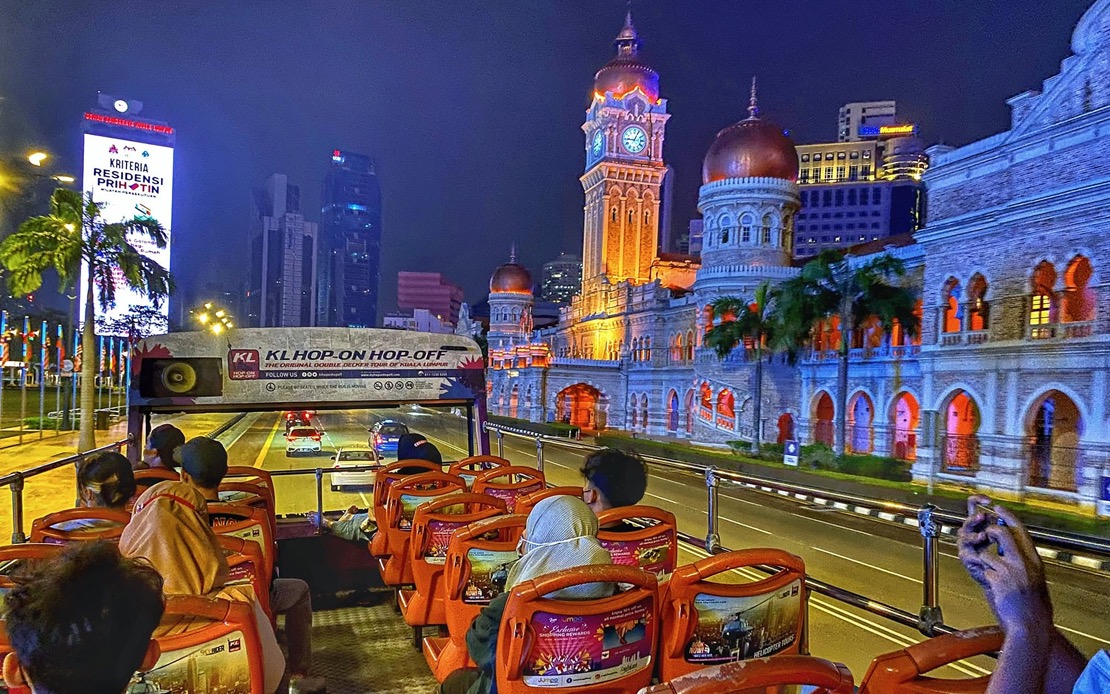
Tourism Malaysia and bus operator Elang Wah Sdn Bhd unveiled a fresh domestic tourism campaign on June 24, leveraging the familiar sightseeing buses that shuttle visitors around Kuala Lumpur to spotlight travel opportunities within Malaysia's own borders. The initiative represents a strategic effort to maintain momentum in the domestic sector while building anticipation for Visit Malaysia 2026, a national tourism promotion event designed to position the country as a premier regional destination.
Minister of Tourism, Arts and Culture Datuk Seri Tiong King Sing underscored the importance of domestic tourism in Malaysia's broader economic strategy. He emphasised that encouraging Malaysians to explore their own country generates multiplier effects across communities, creates employment opportunities in hospitality and transport sectors, and distributes tourism revenue to regions beyond major urban centres. Such campaigns, he noted, strengthen the entire tourism ecosystem by raising standards and encouraging businesses to enhance their offerings in preparation for VM2026.
The campaign hinges on a fleet of six KL Hop-On Hop-Off buses adorned with eye-catching wraps showcasing attractions spanning 15 states and federal territories. The destinations highlighted include landmarks of national significance such as the Sri Sendayan Mosque in Negeri Sembilan and the dramatic Pinnacles of Mulu in Sarawak. By featuring these diverse sites on vehicles that traverse Kuala Lumpur's busy streets daily, the campaign ensures high visibility among both local commuters and visiting tourists, creating multiple touchpoints for tourism messaging.
Integrating modern technology into the campaign, the bus wraps incorporate interactive QR codes that function as digital gateways to tourism information and deals. When scanned, these codes direct users to promotional packages aligned with VM2026, the official Calendar of Events listing upcoming festivals and activities nationwide, and individual state tourism websites. This approach bridges traditional outdoor advertising with digital engagement, allowing the campaign to reach audiences across different demographics and technological comfort levels while driving traffic to curated travel platforms.
The timing of the campaign aligns with demonstrable strength in Malaysia's domestic tourism market. In 2025, the sector recorded a 21.3 per cent increase in visitor numbers, with 290.1 million domestic trips recorded compared to 260.1 million the previous year. This growth trajectory suggests rising confidence among Malaysian households in leisure spending and indicates successful promotion of local attractions. The figures underscore that domestic tourism is not merely a fallback during international travel disruptions but a robust market segment with sustained growth potential.
Expenditure patterns reflect this uptick even more dramatically. Total spending by domestic tourists reached RM121.0 billion in 2025, representing a 13.3 per cent increase from RM106.7 billion in 2024. This expansion in per-visitor spending suggests that Malaysians are not only travelling more frequently but also investing more in their experiences, including accommodation, dining, and recreational activities. For regional economies and small businesses in non-urban areas, such increased domestic spending distribution can catalyse development and reduce economic disparities between major cities and peripheral regions.
The collaboration between Tourism Malaysia and the private bus operator exemplifies a public-private partnership model increasingly common in tourism promotion. Rather than relying solely on government-funded campaigns, Tourism Malaysia leveraged an existing commercial transport asset, ensuring efficient deployment of resources and ensuring the advertising reaches commuters and visitors in high-traffic areas. This approach reduces campaign costs while maximising reach, and it demonstrates how government agencies can work with private enterprises to amplify promotional messages.
For Visit Malaysia 2026, domestic tourism campaigns serve a foundational role. International visitors often gain inspiration and confidence from learning that locals value their own attractions. By showcasing domestic travel trends and grassroots enthusiasm for Malaysian destinations, the country projects an image of a tourism-ready nation with proven appeal to its own population. This authenticity can prove persuasive to international tourist boards and travel agencies evaluating Malaysia against regional competitors such as Thailand, Indonesia, and Singapore.
The campaign also addresses a strategic consideration for Malaysia's tourism sector: geographic diversification of visitor distribution. Kuala Lumpur and the Klang Valley dominate international tourist arrivals, while peripheral states struggle to capture equivalent numbers. By promoting lesser-known destinations such as the geological formations of Mulu and religious heritage sites across multiple states, the campaign encourages domestic tourists to venture beyond conventional routes, potentially normalising travel patterns that international visitors may follow subsequently. This spatial distribution of tourism demand can reduce overcrowding at popular sites while channelling economic benefits to communities in undervisited areas.
The use of branded buses as moving billboards represents creative deployment of tourism marketing resources. Unlike static billboards, these buses circulate continuously through Kuala Lumpur's business districts, residential neighbourhoods, and transport hubs, ensuring repeated brand exposure. Commuters encountering these buses daily become familiar with featured destinations and associated messaging, creating a cumulative advertising effect without additional expenditure per impression. For bus passengers, the wraps simultaneously serve as conversation starters and information sources, converting routine transit into an informal tourism promotion medium.
Looking forward, the success of this campaign hinges on whether increased awareness translates into actual bookings and visits. The integration of QR codes provides a measurable feedback mechanism, allowing Tourism Malaysia to track which destinations generate the most digital engagement and which geographic regions demonstrate strongest interest in specific attractions. Such data can inform future promotional strategies and help allocate resources to the most promising market segments.
The partnership also signals broader industry expectations ahead of VM2026. Hotels, transport operators, and attractions nationwide are likely preparing capacity expansions and service enhancements in anticipation of heightened visitor volumes. The bus campaign functions as an early signal to businesses and consumers that 2026 will be a significant year for tourism, encouraging them to align their planning accordingly. For Malaysian travellers, it offers permission and incentive to rediscover their own country, positioning domestic tourism not as a secondary choice but as a worthwhile pursuit deserving time and resources.

