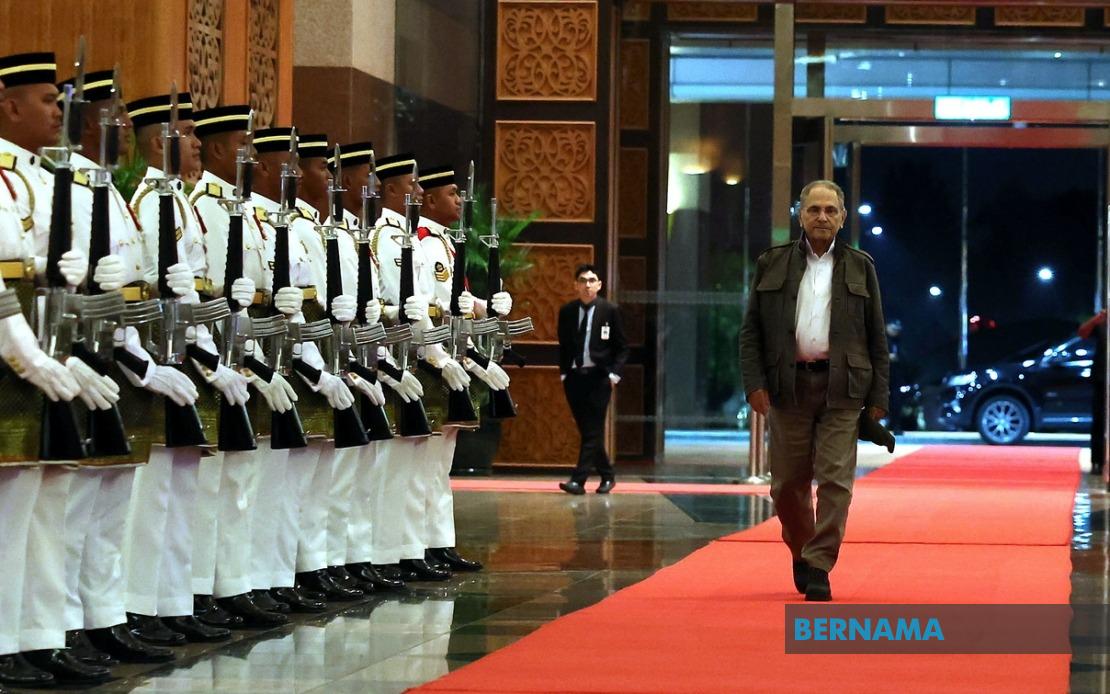
Timor-Leste President José Ramos-Horta departed Malaysia early today after completing a five-day special visit centred on strengthening bilateral relations and advancing regional cooperation between the two Southeast Asian nations. The Nobel Peace Prize laureate and his delegation made their way to Kuala Lumpur International Airport Terminal 1 in the pre-dawn hours, boarding a Batik Air flight scheduled for 2.15 am to return to Dili. The ceremonial departure, marked by a formal Guard of Honour comprising two officers and 26 personnel from the First Battalion Royal Ranger Regiment, underscored the diplomatic significance both countries place on their evolving partnership.
The visit represented a critical moment for Timor-Leste's regional integration efforts, coming just months after the nation secured full ASEAN membership as the bloc's 11th member on October 26, 2025. During his time in Malaysia, Ramos-Horta participated in a high-level dialogue session titled "A Changing World, Enduring Values" on June 15, where he articulated an increasingly confident vision of his country's trajectory within Southeast Asia's institutional framework. The president described relations between Timor-Leste and Malaysia as "exceptionally good," reflecting warming ties between two nations separated by geography but united by maritime heritage and democratic aspirations.
Ramos-Horta's public statements during the visit paid particular attention to Malaysia's role in supporting Timor-Leste's development journey. The president commended Malaysia's achievements across security, democratic governance, and economic development, positioning the larger neighbour as a model for institutional success in the region. He also acknowledged Malaysia's historical support dating back to the critical period before Timor-Leste's independence in 2002, explicitly recognizing Malaysian contributions to peacekeeping operations in 1999 when the territory was undergoing turbulent political transition following the independence referendum.
A significant portion of Ramos-Horta's appreciation centred on Malaysia's advocacy for Timor-Leste's ASEAN membership bid during Malaysia's recent chairmanship of the regional organization. This backing represented tangible diplomatic capital at a crucial juncture when Timor-Leste sought to transition from observer status to full participation in Southeast Asia's premier multilateral forum. The successful outcome of that support now positions Timor-Leste to contemplate its own regional leadership role, with the president expressing confidence that his nation would be adequately prepared to assume ASEAN's rotating presidency in 2029. Infrastructure development and facility upgrades to accommodate the regional summit are reportedly being expedited to meet this ambitious timeline.
Economic cooperation emerged as a central pillar of the bilateral discussions during the visit. Ramos-Horta made a direct appeal to Malaysian investors to consider opportunities within Timor-Leste's infrastructure sector, framing the country as an attractive destination for capital deployment. The president highlighted several compelling factors for investment consideration: Timor-Leste's relatively low sovereign debt burden, a robust state wealth fund derived from maritime petroleum resources, and the availability of financing support from multilateral development institutions. This investment pitch reflects Timor-Leste's strategy to leverage its natural resource wealth to fund transformative infrastructure projects that could position it as a regional hub.
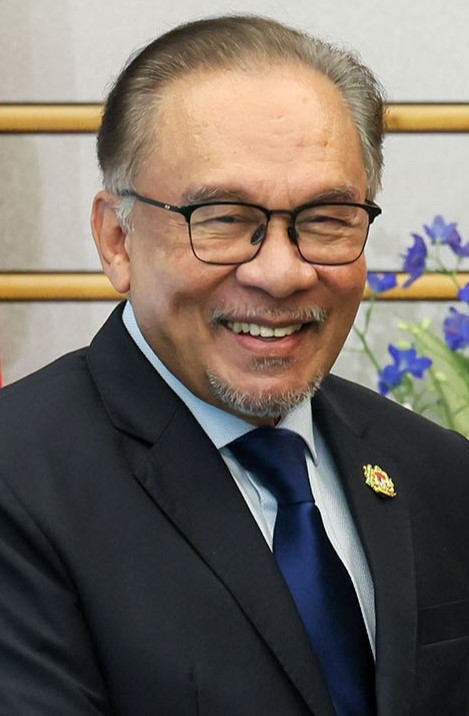
Prime Minister Datuk Seri Anwar Ibrahim hosted Ramos-Horta at the Seri Perdana Complex for an official luncheon, providing an intimate setting for detailed discussions between the two leaders on expanding bilateral cooperation. The conversations encompassed multiple dimensions of economic and social collaboration, including trade expansion, investment promotion, human capital development programmes, and technical training initiatives. These discussions represent the practical mechanisms through which the two nations intend to translate diplomatic goodwill into concrete results affecting their respective populations and business communities.
The current state of bilateral trade provides context for understanding both the potential and limitations of the relationship. In 2024, bilateral trade between Malaysia and Timor-Leste totalled USD18.72 million (RM85.68 million), with Malaysia's exports accounting for USD18.37 million (RM84.06 million) of the total. Imports from Timor-Leste comprised a considerably smaller USD0.35 million (RM1.62 million). These figures reveal a highly asymmetrical trade relationship heavily weighted toward Malaysian exports, suggesting significant room for deepening economic integration and diversifying the composition of bilateral commerce. The limited volume also reflects Timor-Leste's nascent industrial base and structural economic constraints, areas where Malaysian expertise and investment could prove transformational.
For Malaysia, cultivating stronger ties with Timor-Leste aligns with broader regional strategy objectives. As Timor-Leste consolidates its ASEAN membership and prepares for greater institutional responsibilities, Malaysia has positioned itself as a supportive, experienced partner capable of sharing institutional knowledge and technical expertise. This approach reinforces Malaysia's leadership credentials within Southeast Asia whilst simultaneously advancing shared interests in regional stability, maritime cooperation, and economic development. The visit demonstrates how bilateral diplomacy can advance multilateral objectives, with stronger Malaysia-Timor-Leste relations contributing to a more cohesive and capable ASEAN.
For Timor-Leste, the visit underscores the country's determination to emerge from its post-independence development challenges and assume an increasingly active role in regional affairs. The confidence expressed about hosting ASEAN in 2029, combined with specific invitations to Malaysian investors and appeals for technical cooperation, signal Ramos-Horta's vision of a nation transitioning from vulnerability to contribution. The timing of this visit, occurring relatively soon after ASEAN membership was formalized, suggests an awareness that early engagement with established regional powers can accelerate capacity-building and institutional integration processes.
The broader implications of this diplomatic engagement extend beyond bilateral relations to the character of ASEAN itself. Timor-Leste's integration into the regional organization represents the bloc's continued expansion toward inclusive Southeast Asian membership, even as questions persist about institutional coherence and operational effectiveness. The support Malaysia has provided to Timor-Leste's ascension and the warm reception accorded to Ramos-Horta during this visit suggest confidence among established ASEAN members that Timor-Leste's participation will strengthen rather than complicate the organization's functioning.