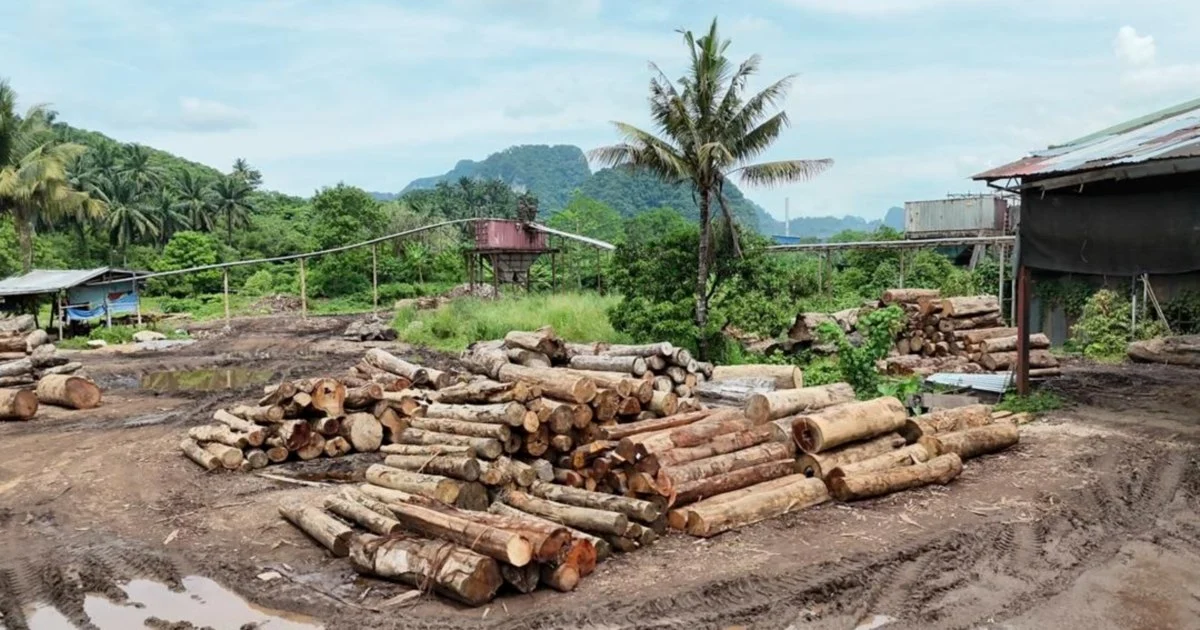
The General Operations Force launched coordinated raids across Kelantan and Terengganu today, dismantling what appears to be a significant timber trafficking operation and resulting in the arrest of 11 suspects. The haul included four Indonesian nationals among those taken into custody, signalling the cross-border nature of the illegal timber trade that continues to plague Malaysia's valuable forest resources.
Timber and related machinery seized during the enforcement actions were valued at more than RM2.43 million, underscoring the substantial economic losses inflicted by the timber smuggling networks that operate across Malaysia's eastern seaboard. The operation represents a substantial victory against organised illegal logging operations that have long exploited the region's accessibility to processing facilities and export networks.
The Kelantan and Terengganu border regions have long been considered vulnerable hotspots for timber trafficking, given their proximity to Kalimantan and the relative remoteness of forested areas in these states. The presence of Indonesian nationals among those detained reflects the transnational dimension of this illicit trade, where timber is often harvested across borders and moved through Malaysian territory for processing and international sale.
Illegal logging remains one of Southeast Asia's most persistent environmental crimes, undermining efforts to preserve biodiversity and combat climate change. The stolen timber represents not merely a loss to legitimate timber operators, but also the depletion of irreplaceable forest cover in regions already facing significant deforestation pressures from agricultural expansion and development projects.
Malaysia has intensified its crackdown on timber smuggling in recent years, recognising the environmental and economic toll of unchecked illegal logging. The General Operations Force, which falls under the Ministry of Defence, has become increasingly involved in joint operations with the Forestry Department and other agencies to patrol forested areas and monitor suspicious timber movements. These coordinated efforts have yielded significant results, though enforcement remains challenging given the vast geographic areas involved and the sophisticated methods employed by trafficking networks.
The detention of eleven individuals will likely lead to investigations into the broader supply chain supporting this operation. Authorities typically examine whether the suspects were acting as independent operators or forming part of a larger organised criminal syndicate with connections to processing mills, export companies, and international buyers. The presence of machinery in the seized haul suggests an operation with significant infrastructure, rather than opportunistic logging.
For Malaysia, controlling illegal timber exports carries particular significance in the international arena. The country faces ongoing scrutiny from environmental groups and trading partners regarding its commitment to sustainable forestry and combating illegal wildlife trade. High-profile enforcement actions such as today's raids demonstrate governmental commitment to international environmental standards and help protect Malaysia's reputation as a responsible steward of forest resources.
The RM2.43 million valuation attached to the seized materials reflects current timber prices and the species involved. High-value tropical hardwoods command premium prices in international markets, particularly in China and Vietnam where demand for timber remains robust despite efforts to promote sustainable sourcing. This economic incentive drives the criminal networks that continue to fuel illegal logging across the region.
Indonesian nationals' involvement in these operations is not uncommon, given the abundant timber resources on the Indonesian side of borders and the established smuggling routes that facilitate movement into Malaysia. Cooperation between Malaysian and Indonesian authorities remains crucial for combating cross-border timber trafficking, though operational challenges persist due to terrain, limited resources, and the sophisticated nature of smuggling operations.
The suspects face potential charges under Malaysia's forestry and environmental protection laws, which carry penalties including imprisonment and substantial fines. The severity of charges will depend on individual roles within the operation and whether suspects can be linked to previous offences. Successful prosecution of such cases remains important for deterring future smuggling attempts and signalling that Malaysia takes environmental crime seriously.
These raids underscore the ongoing tension between economic pressures in rural areas, where logging provides livelihood opportunities, and Malaysia's environmental protection objectives. While enforcement operations target supply chains and organised criminal networks, addressing the root causes of timber smuggling requires balancing rural development, poverty alleviation, and genuine sustainable forestry practices that provide long-term economic benefits to local communities.
Governmental agencies continue refining intelligence-gathering and patrol strategies to disrupt timber trafficking operations more effectively. The success of today's operations, coupled with previous enforcement actions, suggests that coordinated efforts involving multiple agencies and cross-border cooperation mechanisms are gradually increasing the risks and costs for smuggling networks operating in East Malaysian forests.

