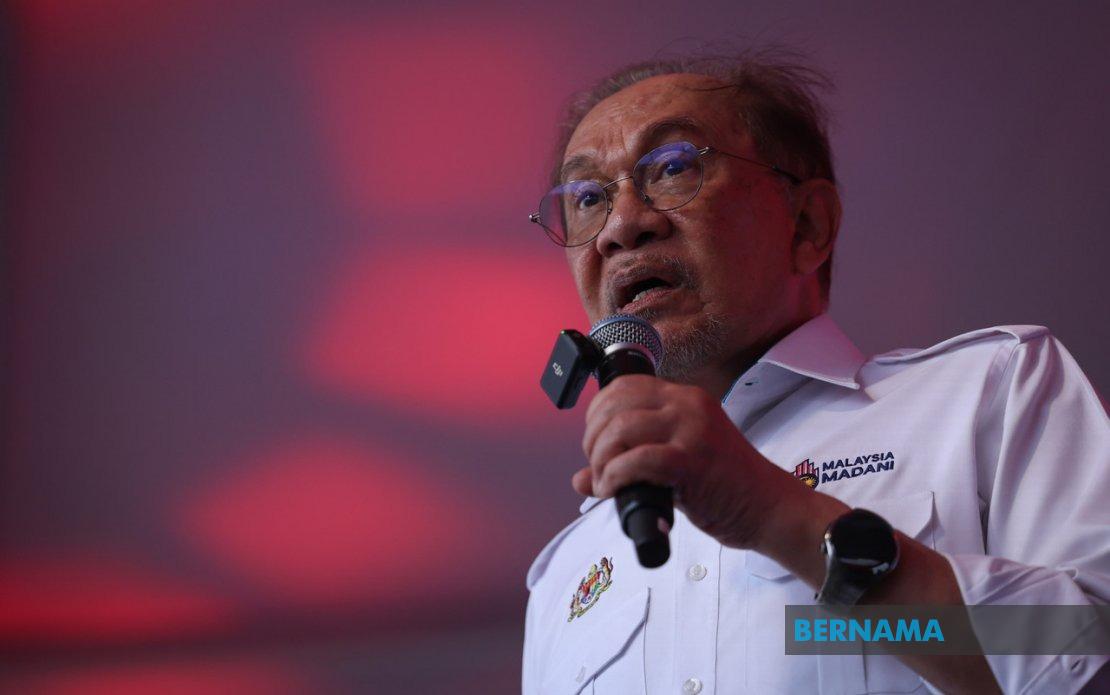
Prime Minister Datuk Seri Anwar Ibrahim has given an unequivocal commitment that all individuals implicated in causing financial losses at Lembaga Tabung Haji (TH) will be held accountable through the criminal justice system. Speaking at an event in Jelebu on July 29, Anwar emphasised that the findings contained in the Royal Commission of Inquiry (RCI) report released that day would trigger comprehensive investigations into suspected wrongdoing at the pilgrimage fund manager.
The Prime Minister's declaration represents a significant moment in the years-long saga surrounding TH's financial difficulties, which have attracted considerable public scrutiny and raised questions about governance and oversight. The RCI's report, conducted to examine the circumstances leading to substantial losses, has identified multiple concerning patterns including suspected misappropriation of funds, fraudulent activities, and instances where officials may have abused their positions of authority. These findings now set the stage for formal criminal investigations by Malaysia's principal law enforcement and oversight bodies.
Three major institutions will coordinate the investigation into TH's losses, according to Anwar's statement. The Royal Malaysia Police (PDRM) will lead the criminal inquiry, while the Malaysian Anti-Corruption Commission (MACC) will focus on potential corruption-related offences. Bank Negara Malaysia, as the financial regulator, will contribute its expertise in examining banking violations and regulatory breaches. This multi-agency approach reflects the complexity of the cases potentially before them, as financial misconduct often involves layers of criminal activity requiring different investigative specialties.
Anwar's language signalled an intent to apply Malaysia's rule of law framework rigorously, regardless of the standing or positions of those involved. He stated plainly that evidence gathered would result in court charges, that trials would proceed in open court, and that convictions would lead to imprisonment. By framing accountability within the formal legal system rather than administrative remedies, Anwar underscored that those found guilty would face criminal penalties rather than merely losing their positions or facing civil settlements. This approach carries symbolic weight in a country where corruption cases have sometimes appeared to move at glacial pace or result in light sentences.
The timing of the RCI report's release and the Prime Minister's public commitment to prosecution carries political significance as well. Anwar made his remarks at a campaign event for the Transport Minister Anthony Loke Siew Fook, who is contesting the Chennah state seat in the forthcoming 16th Negeri Sembilan state election as the Pakatan Harapan candidate. The government's willingness to prosecute those responsible for TH's losses serves to reinforce the coalition's broader narrative about combating corruption and restoring institutional integrity following the previous administration.
TH's financial difficulties stem from years of accumulated losses that have threatened the security of savings held in trust for hundreds of thousands of Malaysian pilgrims. The fund manager's troubles became public knowledge only relatively recently, despite the problems having accumulated over an extended period. The disclosure prompted significant concern among TH's contributors, many of whom depend on the fund as a dedicated savings vehicle for their pilgrimage expenses and view it as a secure, religiously sanctioned financial institution. The revelation that mismanagement and potentially criminal conduct had compromised these savings proved deeply troubling to the Muslim community in particular.
The RCI's investigation represents an official attempt to establish what went wrong, how extensively the problems spread, and who bore responsibility for decisions that led to losses. By commissioning the RCI and then committing to prosecute based on its findings, the government acknowledges that internal corrective measures alone would be insufficient. The investigation likely examined board decisions, investment strategies that proved disastrous, governance failures, and individual actions that deviated from TH's mandate to safeguard pilgrims' contributions.
For Southeast Asian readers, the TH situation offers broader lessons about institutional accountability and the importance of effective oversight of financial entities managing public savings. Malaysia's experience demonstrates both the dangers of inadequate regulatory supervision and the potential for transparent investigation and prosecution to rebuild public confidence. As other nations in the region grapple with their own governance challenges, how Malaysia handles the TH prosecutions will signal the credibility of its commitment to accountability.
The road from investigation to conviction typically extends over considerable time, particularly in cases of financial complexity involving multiple suspects and substantial documentation. Investigators will need to trace fund flows, establish chains of decision-making, prove intent or negligence, and build evidence strong enough to overcome legal defences. The MACC and PDRM will work to construct cases that withstand judicial scrutiny, while Bank Negara Malaysia ensures that regulatory violations receive appropriate attention. Successful prosecutions will require meticulous work and may not yield results quickly.
Anwar's statement also implicitly acknowledges that TH's problems were not inevitable market losses but rather resulted from human decisions and actions that merit criminal accountability. By explicitly invoking the rule of law and promising that convictions will result in imprisonment, the Prime Minister has raised public expectations about consequences. This creates both opportunity and risk: opportunity to demonstrate that Malaysia's system can hold powerful figures accountable, but also risk if investigations stall or prosecutions prove unsuccessful. The credibility of Malaysian institutions rests partly on whether these commitments translate into actual legal proceedings and convictions.

