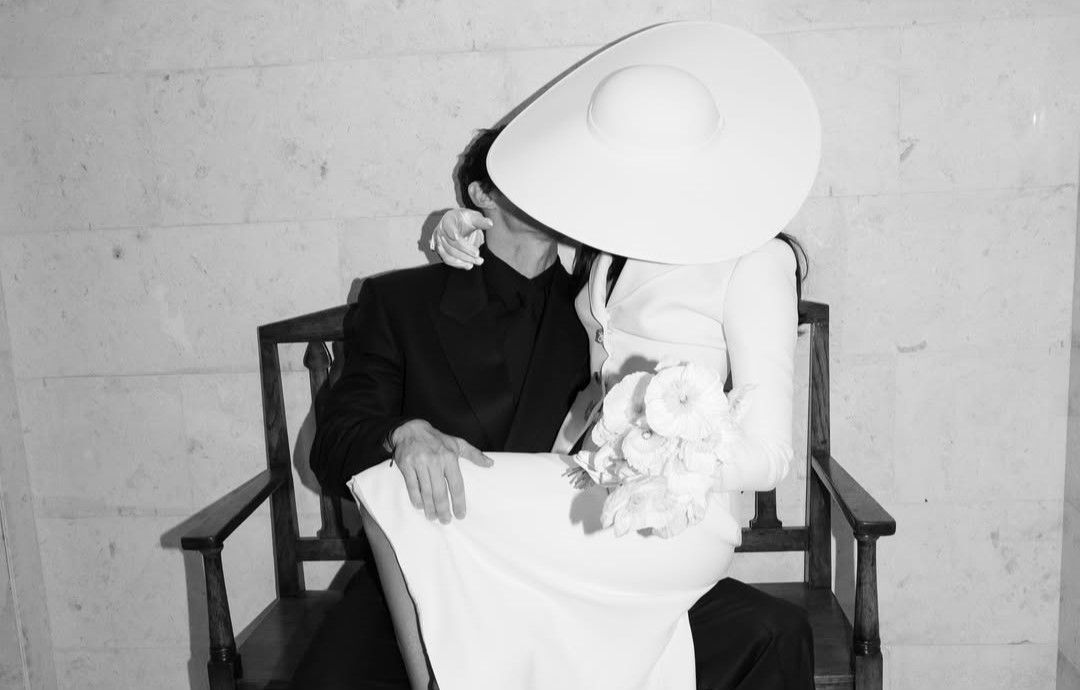
Singer-songwriter Dua Lipa's unexpected nuptials to actor Callum Turner captured headlines across the fashion world not merely for the wedding's surprise nature, but for the bride's striking choice of attire. Rather than embracing conventional bridal traditions, Lipa arrived in a bespoke ivory Schiaparelli skirt suit that balanced sophistication with modernity, subtly referencing style icon Bianca Jagger's iconic 1971 wedding ensemble while maintaining its own distinct contemporary character. This high-profile moment arrived at a particularly significant juncture for an enduring wardrobe staple that fashion insiders have begun to reassess and celebrate.
The skirt suit, once relegated primarily to corporate corridors and official state functions, is undergoing a transformative renaissance across the global fashion landscape. What was historically perceived as the uniform of professional conformity and conservative dressing has been thoroughly deconstructed and reimagined by forward-thinking design houses. The evolution reflects broader changes in how contemporary fashion approaches the intersection of femininity, power, and personal identity. Rather than returning to its austere origins, this revival embraces experimentation with proportions, materials, and silhouettes that challenge conventional expectations.
Design houses have become laboratories for this reinvention, each bringing distinct creative perspectives to the traditional two-piece formula. Proenza Schouler has emerged as a particularly influential voice in modernizing the silhouette, pairing streamlined blazers with fluid midi-length skirts that favour relaxed construction over rigid tailoring conventions. This approach produces garments that feel authoritative yet approachable, blending polish with a more accessible sensibility. The New York-based label demonstrates that power dressing need not sacrifice comfort or movement, appealing to contemporary sensibilities that increasingly reject the rigid corporate aesthetic of previous decades.
Meanwhile, Vivienne Westwood continues its legacy of infusing the skirt suit with artistic rebellion and romantic elements. The legendary house filters the traditional two-piece through its signature ethos of structured jackets contrasted with asymmetrical hemlines, draped fabrications, and unexpected proportions. This approach illustrates how a fundamentally conventional garment can be transformed into something visually arresting and conceptually provocative. Westwood's interpretation proves that the skirt suit remains a versatile canvas for designers seeking to express both tradition and subversion simultaneously.
The contemporary appeal of the skirt suit lies fundamentally in its occupancy of a distinctive middle ground within modern wardrobes. More architecturally defined than a conventional dress yet less forbidding than full suiting, it offers wearers an equilibrium between refined authority and maintained femininity. This balance has become increasingly valuable as professional and social contexts demand greater flexibility in self-presentation. The garment communicates competence and intention without demanding the abandonment of traditionally feminine aesthetics or personal style expression.
Celestial styling possibilities further enhance the skirt suit's current magnetism. The same piece transforms entirely depending on footwear selection—pointed stiletto pumps project boardroom confidence, while neighbourhood loafers introduce accessibility, and trainers signal fashion-forward ease. This adaptability extends to layering, accessorising, and contextual appropriateness, making individual skirt suits work across multiple scenarios and seasons. Such versatility aligns perfectly with contemporary desires for capsule wardrobes that prioritize longevity, sustainable consumption patterns, and authentic self-expression over disposable fashion cycles.
Actress Zendaya's appearance at CinemaCon this year exemplified the skirt suit's evolved positioning within fashion discourse. Her sharply tailored iteration avoided any suggestion of corporate conservatism, instead projecting deliberate style sophistication and fashion agency. Styled with characteristic assurance, the ensemble registered as progressive rather than retrospective, demonstrating how the silhouette functions as a blank slate for individual interpretation. For younger audiences increasingly sceptical of rigid dress codes and conventional gender presentation, Zendaya's endorsement signals that the skirt suit represents liberation rather than constraint.
Melania Trump's consistent adoption of tailored skirt suits throughout her tenure as United States First Lady has reinforced the garment's persistent connection to authority and formal occasion wear, while simultaneously proving its transgenerational appeal. Her frequent selections from established luxury fashion houses anchor the skirt suit within prestigious fashion circles, validating it as appropriate for the highest formal contexts. Yet this institutional embrace coexists with its emerging role within youth fashion and avant-garde design, demonstrating the garment's remarkable ability to traverse multiple fashion territories and social hierarchies.
This multifaceted revival speaks to broader shifts in how contemporary consumers conceptualise professional identity and personal presentation. The skirt suit's resurgence reflects recognition that authority and femininity need not exist in opposition, and that sophisticated dressing accommodates genuine individuality rather than demanding conformity. For Southeast Asian fashion consumers increasingly exposed to global style conversations through digital platforms, the skirt suit's evolution offers a particularly compelling proposition—an garment simultaneously rooted in recognisable formality yet open to creative, culturally-informed interpretation. As fashion continues fragmenting into increasingly personalized expressions, the skirt suit demonstrates enduring relevance precisely because it can be authentically adapted to diverse contexts, geographies, and individual philosophies about what constitutes meaningful style.

