Your digestive system is far more than a processing plant for breakfast. Scientists increasingly recognize it as mission control for your body's defence mechanisms, emotional wellbeing, and stress response. This revelation transforms how we should think about everyday health choices, particularly for busy Malaysians juggling demanding work and irregular meal schedules.
At the core of this story lies the gut microbiome—an astonishingly complex ecosystem inhabiting your digestive tract. Trillions of bacteria, fungi, and viruses coexist within you, and contrary to popular belief, most of these residents work actively in your favour. They are not invaders to be eliminated but allies essential for survival. This microscopic community represents perhaps one of the body's most underappreciated assets, yet its influence stretches into virtually every aspect of human health.
The numbers reveal why this matters so profoundly: approximately 70% of your immune system operates within or adjacent to your gut. Rather than deploying defensive forces blindly, your body continuously reads signals from this region to distinguish between harmless food molecules and genuine pathogens deserving an immune response. When this dialogue functions smoothly, immune cells receive proper training, the intestinal barrier strengthens itself, and inflammatory responses stay appropriately calibrated. Conversely, disruption opens the door to problems ranging from persistent infections to chronic inflammation—a distinction that carries real implications for health outcomes across Asia's tropical climate where certain infections remain common.
Gut microbiome imbalance typically stems from predictable sources: a diet heavy in processed foods, prolonged stress, overuse of antibiotics, and insufficient fibre intake. When these factors accumulate, the microbial community becomes less diverse and less capable of performing its protective functions. The Harvard Medical School research and investigations from the US National Institute of Health confirm that these microbial populations directly communicate with immune cells, essentially choreographing your body's defensive ballet. A disrupted system cannot execute this dance effectively.
The consequences of microbial imbalance manifest subtly at first. Rather than dramatic gut distress, you might notice you're catching colds more frequently than colleagues, feeling perpetually drained despite adequate sleep, or recovering slowly from minor illnesses. Your skin condition may deteriorate. Energy levels plateau. These aren't random inconveniences but symptoms of immune resilience directly tied to microbial diversity. For Malaysian professionals constantly exposed to air-conditioned offices and irregular eating patterns, this connection proves especially relevant.
This brings us to probiotics—living microorganisms that, according to the World Health Organisation definition, confer health benefits when consumed in sufficient quantities. Think of them as reinforcements arriving to restore balance to your internal ecosystem. Rather than producing a sudden transformation, probiotics work systematically to replenish beneficial bacteria populations and reestablish the equilibrium upon which immunity depends. Johns Hopkins University research supports their capacity to maintain gut balance and strengthen both digestive and immune function.
Probiotics occur naturally in fermented foods and beverages—yogurt, kefir, kimchi, kombucha, and cultured milk drinks—staples across Southeast Asian cuisines for generations. However, modern convenience culture has created an alternative pathway through commercial probiotic drinks, which address a genuine practical concern for time-pressed professionals. A probiotic beverage consumed during your morning commute or alongside breakfast provides consistency and ease that sporadic consumption of fermented foods cannot match. The science suggests that regular intake matters more than occasional concentrated doses—a distinction that favours integrated daily habits over sporadic wellness efforts.
Yet the probiotic market demands scrutiny. Not all products bearing the probiotic label offer equivalent value. Many contain sugar levels that actively undermine their gut health promise, turning a beneficial drink into something closer to dessert. Meaningful evaluation requires examining labels for evidence of live cultures, specific bacterial strains, and reasonable sugar content. Products featuring Lactobacillus and Bifidobacterium strains offer the strongest research support for their roles in digestion and immune modulation. Reading labels becomes as important as consuming the product itself.
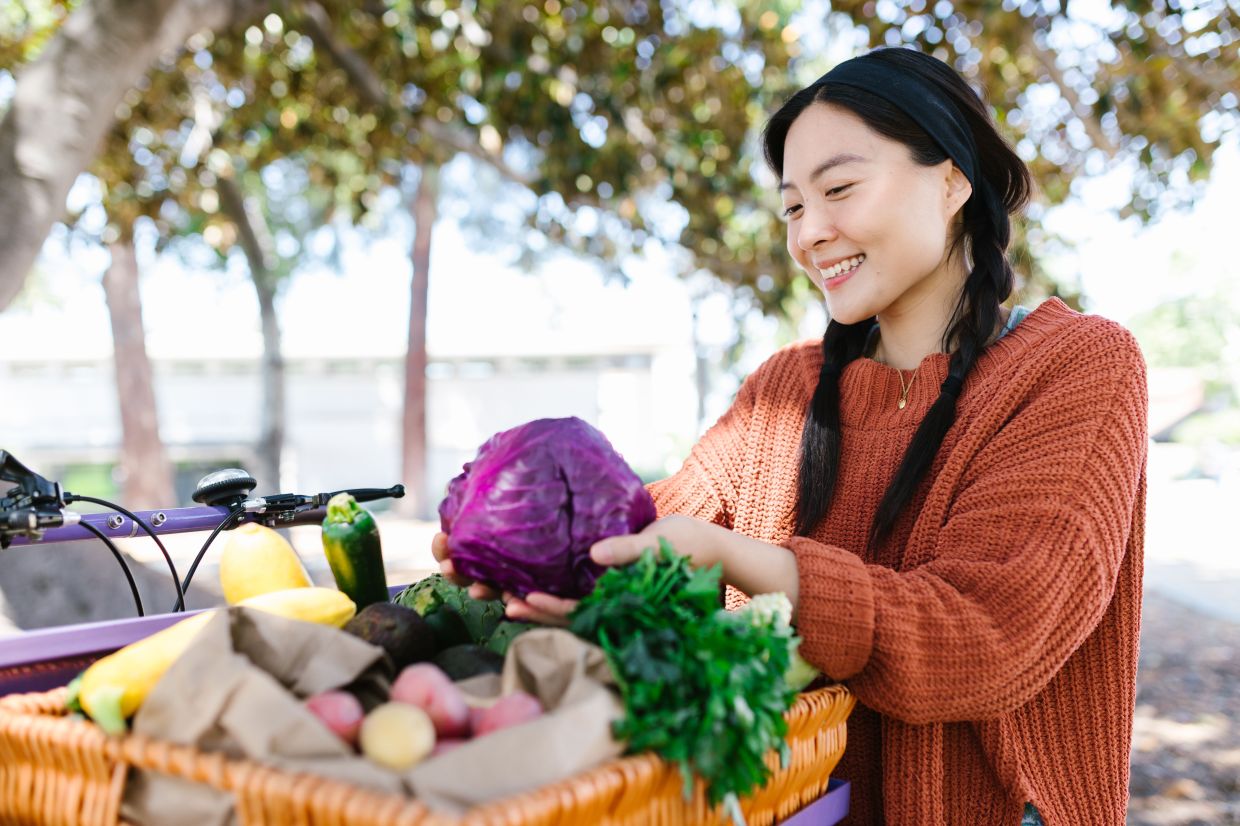
Probiotic beverages function optimally as part of a comprehensive approach rather than as standalone solutions. Supporting your microbiome requires simultaneous attention to multiple lifestyle dimensions. Increasing fibre consumption through fruits, vegetables, oats, and legumes directly feeds beneficial bacteria, strengthening the populations you've introduced through probiotics. Dietary diversity itself drives microbial diversity—a fundamental principle where greater variety in foods consumed translates to greater variety in microbial populations, correlating with improved overall health outcomes. These dietary changes prove especially achievable in Malaysia's food-rich environment.
Beyond nutrition, the stress-gut connection deserves equal emphasis. Chronic psychological stress disrupts microbial populations through multiple biological pathways, effectively undoing dietary improvements. Sleep deprivation compounds this problem, as your gut bacteria maintain their own circadian rhythms that synchronize with your own sleep-wake cycle. Prioritizing adequate rest becomes a microbiome support strategy. Meanwhile, ultra-processed foods—while convenient—reduce microbial diversity over time, working against your long-term wellness objectives. Each food choice influences the balance you're trying to maintain.
Understanding this microbiome-immunity relationship reframes health not as a destination but as a continuous conversation between you and the trillions of organisms depending on you. Your body and your internal ecosystem are constantly negotiating how to respond to environmental challenges—whether infection, stress, or dietary changes. Probiotic drinks, while not cure-alls or miracle solutions, represent practical entry points for those struggling to maintain consistent gut health practices. For the Malaysian professional managing competing demands, a probiotic beverage demands minimal effort while delivering measurable support.
The cumulative impact of these small choices compounds significantly. Each probiotic drink consumed, each additional serving of vegetables included, each night of adequate sleep represents a minor adjustment that collectively strengthens your internal defences. This is not wellness trend-chasing but foundational science translating into actionable daily practice. Your gut microbiome remains actively engaged in determining how resilient and energized you feel throughout your week.

