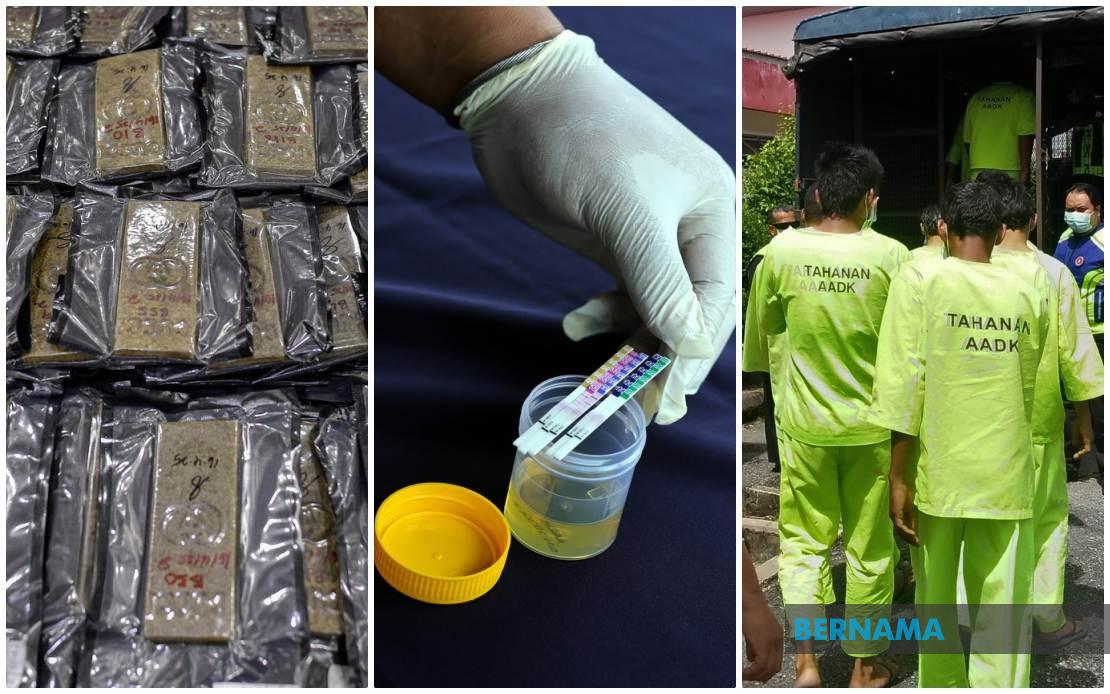
The synthetic drug crisis gripping Malaysia has reached alarming proportions, with Home Minister Datuk Seri Saifuddin Nasution Ismail confirming that 141,817 cases were documented last year. This figure represents a troubling escalation from the 145,526 cases recorded in 2023, and follows an even steeper surge to 192,852 cases in 2024, painting a picture of a nation struggling to contain an expanding epidemic of chemical substance abuse that now dominates the country's drug enforcement landscape.
Synthetic substances have comprehensively displaced traditional drugs in Malaysia's abuse hierarchy, now constituting approximately 70 per cent of all recorded drug-related offences. This shift reveals a fundamental transformation in user preferences and trafficking patterns. Amphetamine-Type Stimulants, particularly methamphetamine commonly known as syabu, have become the predominant drug of choice, reflecting global trends where easily-manufactured synthetic compounds offer traffickers significant advantages in production flexibility, distribution networks, and market adaptability compared to traditional narcotics.
Geographical analysis of abuse patterns demonstrates that the East Coast corridor experiences disproportionately severe drug penetration. Multiple data sources including the Ministry of Health, the National Anti-Drugs Agency, rehabilitation centres, and police reports converge on identifying east coast states as epicentres of the synthetic drug problem. Within this region, the drug landscape has fundamentally shifted away from earlier-generation substances including cannabis, heroin, ketum, and morphine, with users now predominantly gravitating towards ATS compounds that present distinctly different enforcement and public health challenges.
The emergence of fentanyl represents a particularly troubling development in Malaysia's drug crisis. This potent synthetic opioid, dozens of times more potent than morphine, began appearing in the country through contaminated vape products during police operations, signalling how illicit drugs now infiltrate Malaysian society through unexpected distribution channels. Although fentanyl cases have not yet reached the epidemic levels witnessed in North America and Europe, its detection across Malaysia warrants serious concern given its lethality and the thin margin between recreational consumption and fatal overdose.
Government authorities have responded to the fentanyl threat through legislative measures, adding the substance to the country's controlled drugs schedules through amendments to both the Drug Dependants Act and the Dangerous Drugs Act 1952. These regulatory changes enable law enforcement to prosecute fentanyl distribution and possession, establishing legal frameworks for enforcement actions. Despite these protections, the substance's emergence underscores how rapidly new synthetic compounds can penetrate Malaysian markets and how quickly enforcement mechanisms must adapt to evolving drug threats.
Current year data through January presents a sobering picture of the scale involved. Approximately 192,000 drug abuse cases across all substance categories have been recorded so far in 2024, translating to 560 cases per 100,000 Malaysians. This incidence rate gains additional weight when considering demographic concentration, with nearly three-quarters of cases involving individuals aged 15 to 39, suggesting that Malaysia's youth cohort bears disproportionate exposure to synthetic drug culture and its associated harms.
District-level analysis reveals dramatic variation in localized drug crises. Pendang records the nation's highest incidence rate, followed closely by Kuala Krai, with Bachok, Besut, and Mersing also identified as severely affected areas. This geographic clustering suggests that certain communities face entrenched drug distribution networks, possible economic vulnerabilities that increase substance abuse propensity, and potentially inadequate community-level intervention resources to counter entrenchment of drug cultures in local populations.
The prison system reflects the severity of Malaysia's drug crisis with stark clarity. Approximately 70 out of every 100 inmates carry drug-related charges, whether convicted or remanded pending trial. In certain facilities such as Machang, drug-related cases approach 100 per cent of the inmate population, transforming prisons into effectively holding facilities for drug offenders rather than facilities housing the broader criminal population. This concentration suggests either sentencing patterns heavily weighted toward drug offences or that Malaysian criminal activity has become thoroughly dominated by drug-related conduct.
The government has deployed multifaceted countermeasures spanning prevention, enforcement, and rehabilitation domains. The National Anti-Drugs Agency implements community-based prevention initiatives, educational programmes within schools and universities, and intervention strategies targeting families and workplaces. Simultaneously, enforcement collaboration between police, customs authorities, and anti-drugs agencies attempts to disrupt supply chains and incapacitate traffickers. However, the rising case numbers suggest that current resource allocation and strategic approaches remain insufficient to reverse trajectories of abuse escalation.
Technological advancement has paradoxically complicated enforcement efforts by facilitating illicit drug transactions through online platforms. Digital marketplaces operating without commodity regulation or oversight provide Malaysian drug users with unprecedented access to synthetic substances while creating enforcement blind spots for authorities unable to effectively monitor unregulated online commerce. This intersection of digital technology and drug distribution represents a structural challenge that traditional enforcement approaches struggle to address, as the decentralized nature of online transactions and the absence of physical intermediaries complicate interception efforts.
The synthetic drug phenomenon demands urgent analytical attention regarding Malaysia's positioning within regional and global drug trafficking networks. Whether Malaysia functions primarily as a terminus for user consumption, a transit hub for substances destined for other markets, or increasingly as a production or repackaging centre remains a critical question for understanding the scope and nature of the threat. Enhanced intelligence capabilities and regional cooperation frameworks will be essential for distinguishing between these trafficking roles and developing appropriately calibrated responses.
Beyond enforcement imperatives, the therapeutic response infrastructure appears inadequate to handle demand. Rehabilitation capacity, harm-reduction programming, and sustained recovery support systems must expand substantially to match the scale of synthetic drug abuse now evident throughout Malaysia. The concentration of cases among youth populations particularly underscores the necessity for prevention and early intervention strategies that address root causes of substance abuse including social disconnection, limited economic opportunity, and insufficient mental health services within communities experiencing greatest drug penetration.
The trajectory of synthetic drug abuse across Malaysia reflects both global trends in substance use evolution and localized vulnerabilities within Malaysian society that traffickers have successfully exploited. Without comprehensive responses addressing supply, demand, enforcement, and therapeutic dimensions simultaneously, the rising case numbers documented by Home Minister Saifuddin Nasution appear likely to continue their concerning upward movement, potentially destabilizing affected communities and overwhelming institutional capacity to respond.

