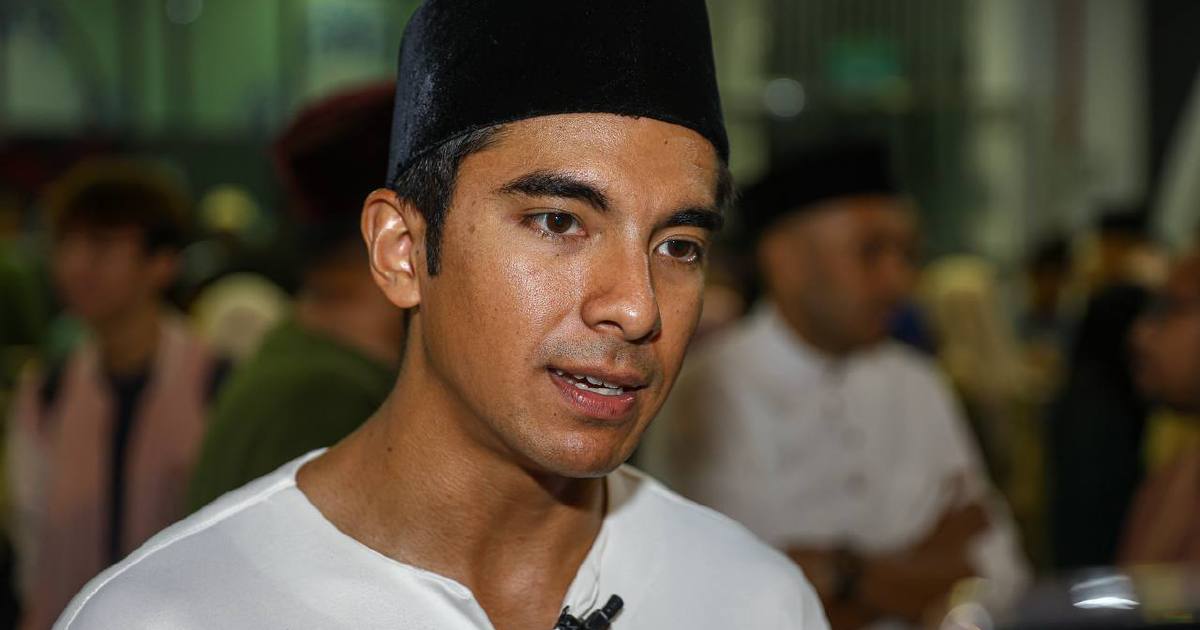
Malaysia's Youth and Sports Minister Syed Saddiq Syed Abdul Rahman has adopted a contemplative posture as the country's apex court approaches a pivotal ruling that could reshape his political trajectory. The young politician, who has emerged as a prominent figure in Umno's recent restructuring, expressed his reliance on divine providence while awaiting the Federal Court's decision, suggesting an acceptance of whatever judgment materialises from the highest judicial authority in the land.
This measured response from the 33-year-old minister reflects a broader political maturity that has characterised his journey since his early days as Muar's Member of Parliament. Syed Saddiq has navigated considerable obstacles throughout his political career, including previous legal entanglements and internal party dynamics that tested his resolve. His invocation of faith at this critical juncture underscores the gravity of the impending ruling and its potential consequences for his ministerial position and political future.
The Federal Court's approach to the case carries significance beyond Syed Saddiq's personal circumstances. Malaysia's judicial framework has increasingly come under international scrutiny regarding its independence and the treatment of political figures. The manner in which the apex court handles high-profile cases involving government ministers sets precedents that reverberate through the political system and influences public confidence in the judiciary's impartiality. Every ruling from Malaysia's top bench carries weight not merely in legal terms but in shaping the nation's democratic institutions.
Syed Saddiq's political ascendancy has been marked by considerable youth appeal and a perceived independence from traditional power structures within Umno. His portfolio managing youth and sports affairs positions him strategically within Prime Minister Anwar Ibrahim's administration, a development that would have seemed improbable during his earlier tenure under previous governments. His continued relevance depends partly on how he navigates present legal challenges while maintaining political viability.
The timing of the Federal Court ruling carries implications for Malaysian politics beyond the individual case. The government's current coalition dynamics remain delicate, with competing factions within Umno jostling for influence and ministerial positions. Any decision affecting a senior minister's status could trigger broader ripple effects within the cabinet and among parliamentary coalitions. Political observers closely monitor how such rulings influence the stability of Anwar's administration and whether they might precipitate shifts in the power balance within the ruling coalition.
Syed Saddiq's public composure and spiritual framing of the situation may also serve strategic purposes within Malaysian political discourse. By presenting himself as accepting of judicial outcomes rather than confrontational, he positions himself favourably regardless of the ruling's outcome. This approach contrasts with other political figures who have openly challenged court decisions or cultivated narratives of persecution, potentially shielding him from accusations of disrespecting the judiciary while maintaining support among his constituency.
The case itself represents one of numerous legal matters involving Malaysian politicians that have occupied the Federal Court's docket in recent years. The proliferation of such cases reflects both genuine legal concerns within Malaysia's political realm and the complex intersection of law and politics that characterises Southeast Asian governance. Each ruling contributes to the evolving jurisprudence regarding the standards to which elected officials are held accountable under Malaysian law.
For Malaysian citizens and political analysts tracking these developments, the Federal Court's decision will offer insight into how the judiciary addresses cases involving sitting ministers and influential political figures. The outcome may establish or reinforce precedents regarding conflicts of interest, financial accountability, or other matters of governance that extend far beyond Syed Saddiq's individual circumstances. Such rulings often reverberate through corporate and public institutions that look to the courts for guidance on standards of conduct.
Regionally, Malaysia's handling of high-profile political cases draws attention from other Southeast Asian nations grappling with similar governance challenges. The country's commitment to maintaining a functioning judiciary despite political pressures serves as a reference point for observers evaluating institutional resilience in the region. How fairly courts treat prominent politicians ultimately affects perceptions of Malaysia's democratic maturity and rule of law adherence.
Syed Saddiq's measured response to the impending ruling reflects not resignation but rather a calculated political stance that preserves dignity and credibility regardless of judicial outcomes. By invoking faith and emphasising acceptance, he signals confidence in Malaysia's institutional processes while avoiding the antagonistic positioning that could damage his political standing or invite further scrutiny. This approach acknowledges that even unfavourable rulings need not terminate political careers in Malaysia's fluid political environment.
As the Federal Court prepares to deliver its judgment, political observers anticipate that the decision will clarify important legal principles while determining consequences for one of Malaysia's younger generation of political leaders. Whether the ruling vindicates Syed Saddiq's expressed faith or presents challenges he must navigate, it will contribute to the evolving relationship between Malaysia's judiciary and its political establishment, affecting institutional dynamics that shape governance across the nation.

