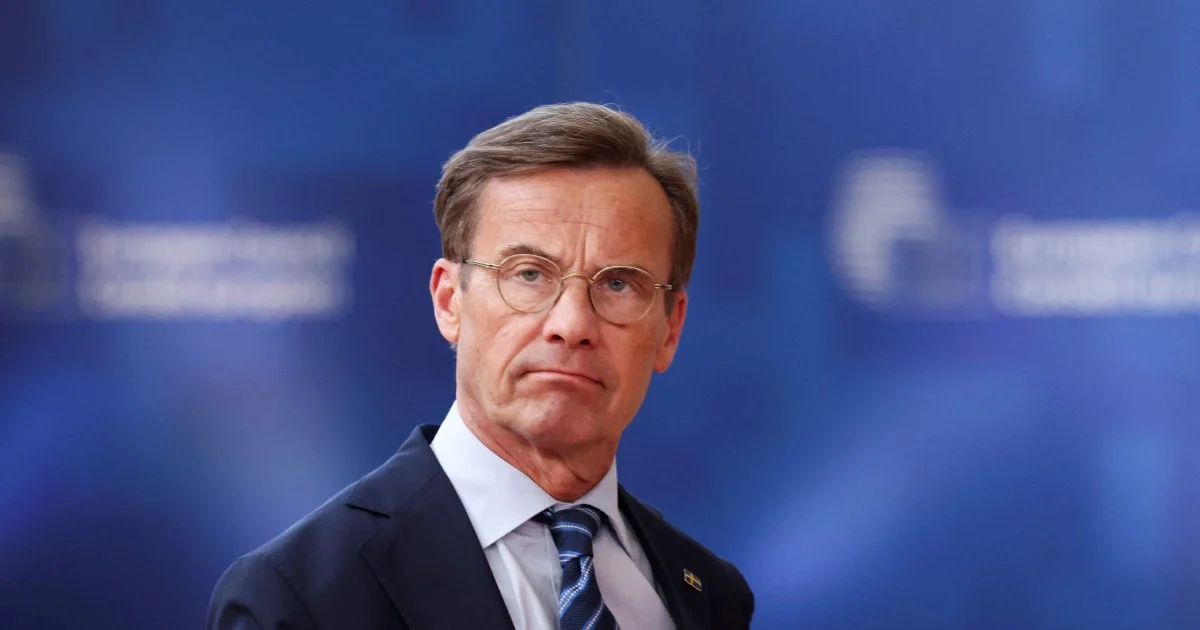
Swedish Prime Minister Ulf Kristersson has demonstrated a remarkable ability to navigate controversy throughout his four-year tenure, consistently emerging from each allegation with minimal political damage. This pattern of resilience now faces a fresh test as new corruption charges surface with the country's legislative elections drawing near—a development that could prove more consequential given the tightening electoral calendar and heightened public scrutiny.
Kristersson's term has been characterised by a succession of scandals that might have crippled other leaders. Each controversy has generated headlines and public debate, yet his government has weathered the storms by employing a combination of strategic communication, shifts in media attention, and the structural realities of Swedish parliamentary politics. The apparent impermeability of his position to scandal has become notable even within Nordic political discourse, where transparency and accountability typically carry significant weight. Observers across the region have noted how allegations that would trigger immediate resignations in other democracies seem to dissipate relatively quickly in Sweden's case.
The latest corruption allegations arrive at a particularly delicate moment in Sweden's political calendar. With just ninety days separating the government from parliamentary elections, the timing compounds pressure on Kristersson's administration in ways previous scandals did not. Election cycles amplify scrutiny of incumbent leadership, as opposition parties deploy scandals strategically to mobilise voters, while media outlets intensify investigative journalism and accountability reporting. The convergence of new allegations with this heightened electoral environment creates conditions fundamentally different from previous controversies.
Swedish governance structures have historically provided prime ministers with considerable insulation from isolated scandals, particularly when they enjoy coalition support from multiple parties. Kristersson's multi-party coalition maintains sufficient parliamentary seats to sustain the government even when individual controversies dominate headlines. This structural protection has allowed previous allegations to be absorbed without threatening the administration's survival. However, the accumulation of multiple scandals creates a different political dynamic—voters may not demand resignation over single allegations, but a pattern of controversies can shift underlying electoral sentiment.
The broader political landscape in Sweden has shifted since Kristersson took office. His government represents a centre-right coalition, and the Swedish electorate has demonstrated complex attitudes toward both traditional governance concerns and newer political priorities. Economic conditions, immigration policy, and social cohesion have featured prominently in recent electoral competition. Should these new corruption allegations gain traction with voters, they could intersect with existing concerns about government performance in ways that individual scandals have not achieved previously.
Comparative Nordic politics offers instructive context. Sweden's Nordic neighbours have experienced prime ministerial tenures disrupted by allegations of varying severity. The relative longevity of Kristersson's government despite recurring controversies suggests either that Swedish political culture maintains higher thresholds for removing sitting prime ministers, or that the specific allegations have not touched upon areas the electorate views as fundamental to governing legitimacy. Understanding which explanation applies becomes critical for assessing whether these fresh charges represent a genuine threat to his political survival.
Mediator in the political system and within Kristersson's coalition partners will likely face pressure to respond to the corruption allegations with greater urgency than previous scandals warranted. Coalition governments depend on mutual confidence among constituent parties; if corruption charges threaten to damage the coalition's collective reputation, junior partners may demand accountability measures or risk their own electoral prospects. The delicate balance that has allowed the government to function through previous controversies could face genuine strain.
International observers and regional partners monitor Swedish governance with particular attention given the country's recent NATO membership and its profile as a stable democracy. Corruption allegations, if substantiated, carry implications beyond domestic Swedish politics. They affect Sweden's international standing and could complicate its position within broader European security and governance frameworks. This international dimension adds weight to allegations that might otherwise be absorbed within domestic political routines.
The Swedish public and media will likely approach these allegations with the scepticism that has characterised responses to previous scandals affecting Kristersson's government. However, the electoral context introduces variables that previous controversies lacked. Voters preparing to cast ballots operate under different decision-making frameworks than voters in non-election periods, and established patterns of behaviour do not necessarily persist when political choices become imminent. Opposition parties will invest considerable resources in ensuring these allegations remain salient through the election campaign.
Kristersson's political track record suggests he possesses substantial resilience and political capital. His survival through multiple previous scandals demonstrates an ability to manage crises and maintain coalition discipline. Yet the combination of fresh corruption allegations and proximity to parliamentary elections creates conditions without clear precedent in his tenure. The prime minister faces a critical period where established patterns of scandal management may prove insufficient against the amplified pressure of an electoral campaign.
The outcome of these developments will carry significance beyond Swedish borders. Southeast Asian observers, including Malaysian policymakers and commentators, follow Nordic political and governance developments with interest as models of transparent, functional democracy. How Sweden's government manages these allegations and how voters respond in the upcoming elections will offer insights into the resilience of democratic institutions and electoral processes when scandal and election cycles converge—dynamics relevant to understanding governance challenges across diverse political systems.

