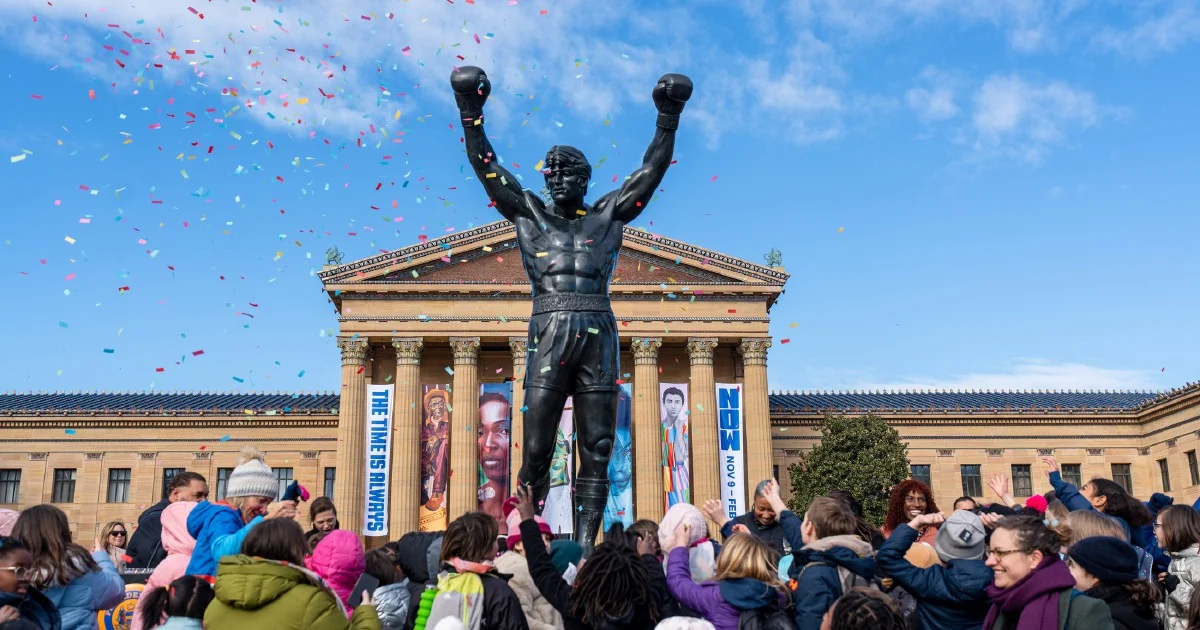
Philadelphia's iconic Rocky Balboa statue, which stands as one of America's most recognizable sports monuments, has become the centre of an unusual superstition warning ahead of the World Cup. French fans gathering in the city on Saturday received explicit cautions from local authorities and sports commentators urging them to resist the temptation to alter or decorate the statue with French flags, shirts, or other national insignia. The warning stems from a curious pattern of alleged misfortunes that have befallen international football teams whose supporters tampered with the monument during previous competitions.
The statue, immortalizing Sylvester Stallone's fictional boxer character, has become an unofficial gathering point for international sports fans visiting Philadelphia. Its prominent location and cultural significance make it an obvious destination for travelling supporters seeking to celebrate their national pride. However, what began as a harmless tradition of decorating the sculpture with team colours has evolved into a cautionary tale whispered among football communities worldwide. The phenomenon reflects how sports culture, particularly football, intertwines deeply with superstition and ritual, creating narratives that gain traction through repetition and selective memory.
The alleged curse operates on a straightforward premise: teams whose fans decorate the Rocky statue experience subsequent disappointment or elimination from competitions. While no scientific basis exists for such claims, the persistence of the warning suggests it has taken on a life of its own within supporter circles. Previous teams reportedly involved in dressing the statue have faced unexpected defeats or early tournament exits, though establishing direct causation between the two events remains inherently impossible. Yet superstitions thrive precisely because they offer simple explanations for complex outcomes and provide supporters with a sense of agency in an unpredictable sport.
For French supporters, the warning carries particular weight given France's recent tournament successes. The national team's strong performance in recent years means the stakes feel higher, and any perceived threat—even a supernatural one—commands attention. Many French fans, already emotionally invested in their team's fortunes, may choose caution over chance when faced with such cautionary tales. This reflects a broader human tendency to engage in magical thinking when outcomes matter deeply, even among those who consciously recognize the illogical nature of superstitions.
Philadelphia's relationship with the Rocky statue extends beyond sports folklore. The monument has become a symbol of American resilience and determination, originally erected as a temporary piece during the filming of Rocky III in 1982. Its permanence came after public demand, transforming it into a cultural institution that transcends its cinematic origins. Thousands of visitors touch, kiss, and photograph the statue annually, many hoping some of Rocky's cinematic grit transfers to them. The idea that the statue possesses power—whether athletic or inspirational—is not entirely foreign to those familiar with Philadelphia's sports culture.
The warning mechanism itself raises interesting questions about how modern information spreads through sports communities. Unlike previous generations that relied on rumour and word-of-mouth, contemporary supporters access cautionary messages through social media, official team communications, and sports news outlets. This amplification effect means a local superstition can rapidly become international knowledge, lending it greater apparent credibility through widespread dissemination. The very act of issuing an official warning paradoxically validates the superstition for many supporters who might otherwise dismiss it.
Philadelphia's relationship with international football fans has grown considerably with the city's increased prominence as a World Cup venue and gathering point. The warning represents municipal and cultural institutions attempting to manage visitor behaviour while respecting the city's symbolic landmarks. Keeping the statue pristine preserves its historical integrity, while simultaneously discouraging an activity that many fans view as innocent celebration. This reflects broader tensions between heritage preservation and contemporary fan culture.
From a practical standpoint, the warning may succeed simply through making supporters conscious of their actions. Those aware of the alleged curse face a choice: indulge in the tradition and accept potential responsibility for their team's failure, or abstain and demonstrate faith in their squad's abilities without supernatural assistance. For many, this conscious awareness itself becomes a form of participation in the superstition, whether they choose to comply or defiantly ignore it. Psychology suggests that making predictions or engaging with superstitions can subtly influence behaviour and perception, potentially creating the very outcomes the superstition claims to predict.
The broader context of French football culture also matters. French supporters bring sophistication and passion to their engagement with the sport, viewing football as intertwined with national identity and cultural expression. Many see themselves as custodians of a particular tradition and philosophy of the game. This cultural weight makes warnings about conduct—even seemingly absurd ones—command consideration within certain supporter communities who value collective responsibility and pride in representation.
Whether the Rocky statue curse proves real or imaginary may ultimately matter less than its effect on collective behaviour. Superstitions function as social mechanisms that unite communities around shared beliefs and create narratives that make sporting outcomes feel less random and chaotic. As France's World Cup campaign unfolds, any supporter who heeded the warning will privately monitor the team's progress, silently proud of their restraint, while those who defied the warning will watch with heightened awareness of their choice. In either case, the statue stands as a reminder that sports fandom encompasses not merely rational analysis of athletic performance, but also ritual, superstition, and the deeply human need to believe we can influence outcomes beyond our direct control.

