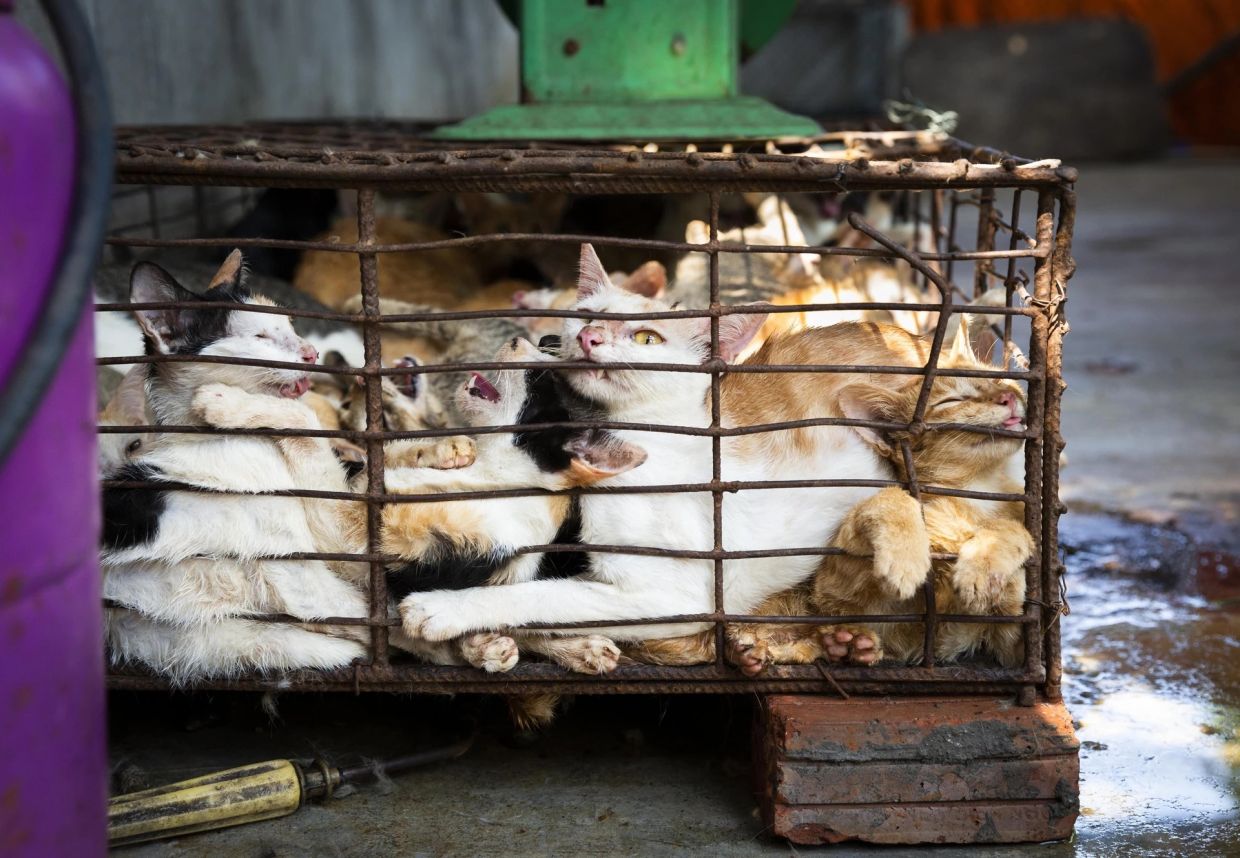
A brutal underground market in cat meat persists across Indochina, driven primarily by centuries-old superstitions and traditional beliefs rather than dietary necessity, according to international animal welfare organisations. The trade has become so extensive that Vietnam alone sees approximately one million cats killed each year, with smaller but significant numbers also trafficked and slaughtered in neighbouring Cambodia and Laos. This hidden economy, conducted largely through criminal networks and informal channels, continues to flourish despite decades of government awareness campaigns and activism aimed at ending the practice.
The primary motivation fuelling this trade is deeply rooted in cultural superstition. In Vietnam, many consumers believe that consuming cat meat during specific periods of the lunar calendar can reverse bad fortune or attract positive luck into their lives. Additionally, widespread misconceptions about cat meat's purported medicinal and health-giving properties have created persistent demand among certain communities. Jon Rosen Bennett, who directs dog and cat welfare initiatives at FOUR PAWS, an international animal protection organisation, emphasises that this consumption pattern is distinctly cultural rather than driven by food security or nutritional need. The association of cat meat with good fortune and healing properties has been historically entrenched in parts of Southeast Asia, and these beliefs continue to perpetuate the trade across the region despite modern education efforts.
The scale of the problem became starkly visible recently when Ho Chi Minh City police dismantled a criminal smuggling operation involved in interstate trafficking of cats. The operation, which had been running for three years, resulted in the rescue of approximately 500 animals and the detention of nine gang members suspected of organised theft and illegal sales. This incident, reported by Vietnamese news outlet VietnamNet, represents merely one visible case within a much larger clandestine network that operates with relative impunity across provincial borders and into neighbouring countries.
Economic incentives significantly perpetuate this illegal trade. Investigations conducted by FOUR PAWS in Vietnam during 2020 revealed that live cats commanded prices between US$6 and US$8 per kilogramme in underground markets, while processed cat meat sold for considerably higher prices ranging from US$10 to US$12 per kilogramme. Black cats commanded premium prices due to widespread beliefs about their special properties for bringing luck or providing enhanced medicinal benefits. This pricing structure creates financial motivation for criminal networks to steal pets and capture stray animals, transforming them into commodities for profit.
Despite the apparent prevalence of this trade, a striking disconnect exists between the activity of organised traffickers and actual public sentiment. Bennett points to comprehensive survey data revealing that approximately 90 percent of Vietnamese people expressed support for implementing a comprehensive ban on both dog and cat meat trading. Furthermore, more than 90 percent of survey respondents rejected the notion that consuming cat or dog meat forms any legitimate part of Vietnamese cultural identity. This indicates that contemporary public opinion has fundamentally shifted away from the practice, even if pockets of traditional belief persist among older populations or in rural communities.
The absence of legal prohibitions in Vietnam has allowed the trade to continue unchecked despite public disapproval. Unlike certain neighbouring jurisdictions that have enacted specific legislation banning cat and dog meat slaughter and sale, Vietnam currently has no nationwide law explicitly prohibiting these activities. This legal vacuum creates enforcement challenges and allows traffickers to operate with minimal fear of prosecution. The lack of clear statutory prohibition also means that authorities face difficulties in coordinating crackdowns and gathering evidence against perpetrators, enabling the trade to function with relative transparency within criminal circles.
Beyond the immediate animal welfare concerns, veterinary and public health experts warn that the trade poses significant risks to regional health security. The undocumented movement of large numbers of cats across provincial and international borders, conducted without health screening or disease surveillance, creates conditions for zoonotic disease transmission. Bennett emphasises that this underground trafficking creates potential pathways for rabies transmission and other infectious diseases that can spread from animals to human populations. The chaotic nature of black-market animal trading, combined with poor hygiene conditions during transport and processing, amplifies these public health dangers at a moment when Southeast Asia remains vigilant about emerging infectious disease threats.
International animal welfare organisations have intensified their efforts to combat the trade through innovative awareness strategies. In early June, FOUR PAWS launched a digital public reporting platform specifically designed for Cambodia as part of a broader regional campaign against the dog and cat meat trade. These initiatives aim to harness public opposition by providing accessible channels for community members to report suspected trafficking and slaughter operations, effectively converting public sentiment into actionable intelligence for law enforcement agencies.
The scale of animal slaughter for meat extends beyond cats. Animal welfare advocates estimate that more than 10 million dogs are killed annually for meat consumption throughout Southeast Asia, representing an equally troubling dimension of the regional trade in companion animals. However, similar to the cat trade, overwhelming majorities in affected countries oppose this practice, suggesting that both trades represent the activities of minority groups rather than mainstream cultural practices. The persistence of these trades despite sustained opposition indicates fundamental weaknesses in law enforcement coordination, inadequate legal frameworks, and insufficient resources dedicated to animal welfare enforcement across the region.

