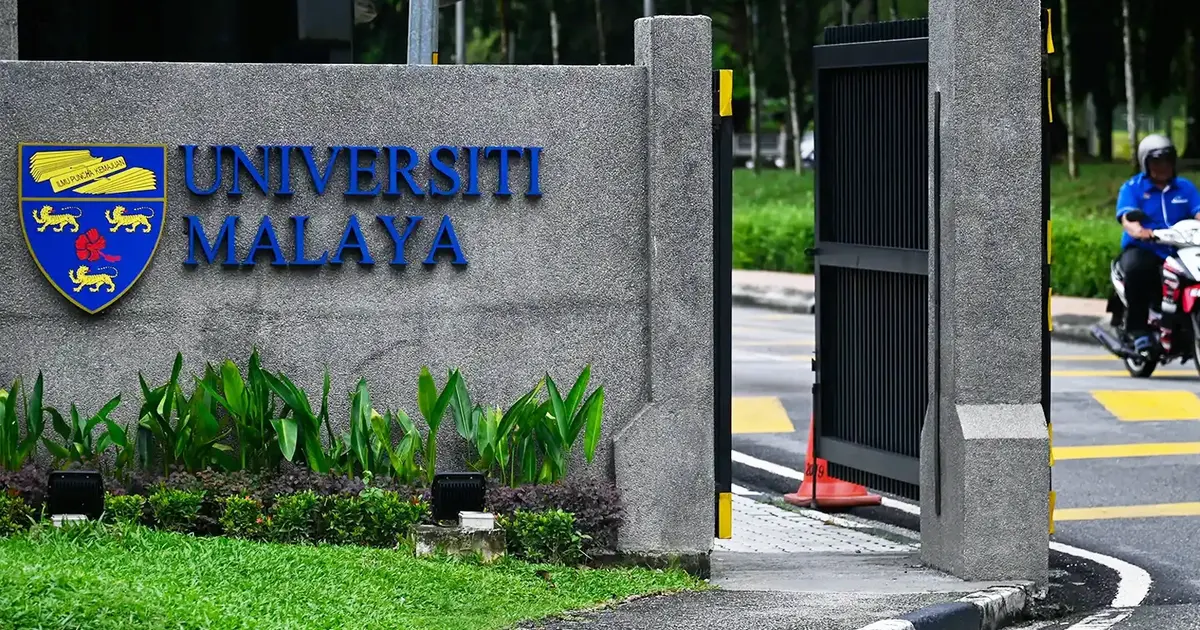
The student-led advocacy organisation NewGen UM has intensified pressure on the University of Malaya to disclose the results of an ongoing investigation into allegations of sexual harassment against a member of the academic staff. The group's renewed push comes after the institution failed to deliver promised updates, leaving the outcome of the inquiry in limbo nearly half a year after officials indicated the matter was approaching resolution.
In September of last year, university leadership announced that the investigation had reached an advanced stage and would soon be concluded. However, as months have elapsed without any public disclosure of findings or disciplinary outcomes, the delay has prompted fresh scrutiny from student representatives and broader concerns about institutional accountability in handling sensitive misconduct cases. The lack of transparency stands in contrast to the university's earlier commitment to resolve the matter promptly.
NewGen UM's demands reflect growing expectations among Malaysia's student population for higher education institutions to address workplace misconduct with urgency and clarity. The group contends that prolonged silence from university authorities not only fails to serve justice for any affected parties but also undermines institutional credibility and public confidence in how universities manage serious allegations. This position resonates with international best practices, which increasingly emphasise swift and transparent handling of sexual harassment claims in academic settings.
The situation at University of Malaya mirrors broader challenges facing Malaysian universities in balancing due process with timely disclosure. Lengthy investigations can be necessary to ensure fairness, yet they risk appearing opaque or dismissive to those affected and the wider campus community. The tension between thoroughness and transparency remains unresolved in many institutions across the country, contributing to public frustration when outcomes are withheld or delayed indefinitely.
Sexual harassment in higher education remains a persistent concern in Malaysia, with several institutions facing scrutiny over their handling of misconduct complaints in recent years. Student movements have become increasingly vocal about holding universities accountable, viewing institutional governance as inseparable from campus safety and dignity. The pressure from groups like NewGen UM reflects a generational shift toward demanding that universities operate with the same standards of transparency expected in corporate and government sectors.
The specific nature of the allegations against the professor and the scope of the investigation remain undisclosed, limiting public understanding of the complexity involved. University administrators sometimes cite confidentiality obligations when withholding investigation details, though critics argue that broader institutional communication about timelines and next steps can be provided without compromising individual privacy. The absence of even basic procedural updates has fuelled speculation and rumour on campus.
University of Malaya, as Malaysia's premier public institution and a regional research leader, faces heightened expectations regarding governance standards. Any perception of mishandling such serious matters carries implications beyond the institution itself, potentially affecting its standing among international partners, prospective students, and faculty recruitment. Peer universities globally have increasingly adopted clear policies and public reporting mechanisms for sexual harassment investigations, creating a benchmark against which Malaysian institutions are inevitably measured.
For affected individuals within the university community, the prolonged silence can compound trauma and undermine confidence in institutional support systems. Proper closure—whether through disciplinary action, case dismissal, or supportive measures for complainants—depends on timely communication. The current standstill leaves multiple stakeholders in uncertainty, a situation that experienced human resources specialists and university governance advocates generally view as counterproductive and potentially harmful.
NewGen UM's intervention signals that student activism at Malaysian universities is evolving beyond traditional concerns toward institutional accountability and ethical governance. This reflects broader regional trends where university stakeholders increasingly view administrative transparency as a fundamental requirement rather than a courtesy. The group's pressure campaign may compel University of Malaya to reassess its communication strategy, even if the investigation itself requires further time to complete.
Moving forward, the case presents an opportunity for Malaysian universities to establish clearer protocols around investigation timelines, interim updates, and final disclosure procedures. While protecting the rights and privacy of all parties involved remains paramount, providing a realistic timeline and periodic procedural updates represents a middle ground that respects both confidentiality and institutional transparency. University of Malaya's response to this demand will likely influence how other Malaysian institutions approach similar matters in the future.