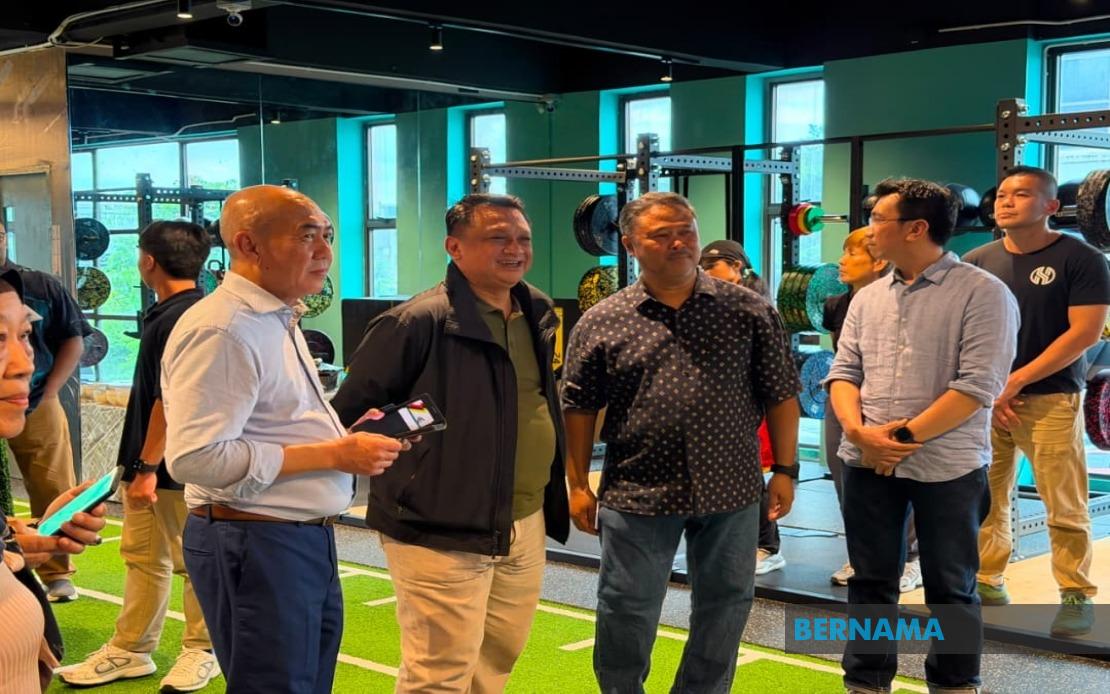
Malaysia's rapidly aging population faces an underappreciated health crisis: falls among seniors that result in serious injuries and prolonged hospitalization. Dr Adibah Ali, owner of FitLab gymnasium in Kuching, is sounding an alarm about this preventable problem, emphasizing that resistance and muscle-strengthening exercises remain far too obscure among the country's elderly despite their proven effectiveness in reducing both accident risk and severity of injury.
During a recent visit to her facility by Tuanku Syed Faizuddin Putra Jamalullail, the Raja Muda of Perlis, Dr Adibah reflected on her two decades spent working within hospital settings where she observed firsthand the devastating consequences of falls among older patients. The consultant breast and endocrine surgeon witnessed countless admissions stemming from fractures and injuries sustained through falls, incidents that frequently triggered cascading health complications and extended recovery periods. This accumulated clinical experience transformed her personal conviction into a public health mission focused on prevention rather than remediation.
The core message Dr Adibah promotes extends beyond conventional notions of fitness or physical aesthetics. Strength training for seniors accomplishes several specific physiological objectives: it fortifies bone density against osteoporotic fragility, stabilizes joints through muscular support systems, and most crucially, enhances balance and mobility thereby reducing the likelihood of stumbling or losing footing in everyday situations. The practical benefits translate directly into daily life—ascending staircases with confidence, safely lifting household items, and maintaining independence in routine tasks that many younger people take entirely for granted.
Public awareness of these protective mechanisms remains disappointingly low across Malaysia despite the demographic shifts making this knowledge increasingly urgent. As the proportion of citizens aged 50 and above expands substantially, particularly in Sarawak where this age cohort represents a growing segment of the population, the potential public health burden multiplies accordingly. Falls represent not merely personal tragedies but increasingly significant drains on healthcare resources, occupying hospital beds and demanding extended rehabilitation services.
Recognizing this gap between evidence and practice, Dr Adibah is developing strategic initiatives to embed strength training within accessible community frameworks. Her gymnasium plans to introduce specialized classes specifically designed for elderly participants, moving beyond generic fitness programming to address the particular biomechanical and physiological needs of aging populations. Equally important, FitLab intends to establish collaborative partnerships with Pusat Aktiviti Warga Emas (PAWE), the national center for elderly activity programs, thereby leveraging existing community infrastructure to expand reach and credibility among target populations.
Datak Gerald Rentap Jabu, Sarawak's Deputy Minister of Youth, Sports and Entrepreneur Development, acknowledged the necessity of intensifying efforts to encourage active lifestyles among seniors in the state. His remarks indicate governmental recognition that physical activity programming for older citizens constitutes a legitimate policy priority rather than peripheral welfare concern. This institutional backing potentially opens pathways for sustained funding, regulatory support, and coordination across multiple agencies working with elderly populations.
The vision articulated by both Dr Adibah and Deputy Minister Rentap encompasses not merely physical conditioning but holistic cognitive and mental engagement. Programs developed in collaboration with PAWE would encompass both movement-based training and mentally stimulating activities such as chess, acknowledging that healthy aging requires parallel development of muscular strength and mental acuity. This integrated approach aligns with international geriatric medicine best practices demonstrating that multimodal interventions addressing physical, cognitive, and social dimensions yield superior health outcomes compared to single-intervention models.
The timing of this advocacy proves particularly significant given Malaysia's demographic trajectory. By 2040, projections indicate that senior citizens will comprise approximately 15 percent of the national population, substantially higher than current proportions. Without proactive intervention, healthcare systems face potential overwhelming demand from fall-related injuries, fractures requiring surgical intervention, and subsequent disability requiring long-term care. The economics of prevention—introducing affordable strength training programs—prove vastly more efficient than managing the downstream medical consequences of preventable falls.
For Malaysian families and healthcare planners, the implications are substantial. Individual households with elderly members would benefit from understanding that regular resistance exercise, whether conducted in formal gymnasium settings or through home-based programs, offers measurable protective benefits without requiring expensive medical interventions. Communities can implement low-cost alternatives using bodyweight exercises, resistance bands, or simple equipment adaptable to various fitness levels and physical limitations. The emphasis shifts from viewing aging as inevitable decline toward recognizing it as a manageable process where intentional physical engagement sustains functional capacity and independence.
The broader Southeast Asian context similarly reflects aging societies confronting comparable fall-related health burdens. Regional public health authorities could benefit from Malaysia's emerging initiatives in this domain, adapting successful models to local healthcare systems and cultural contexts. The conversation initiated by Dr Adibah and supported by Sarawak's governmental leadership represents an important step toward repositioning elderly care from reactive treatment to proactive prevention, fundamentally transforming how aging populations experience their later decades through simple, evidence-based interventions accessible across socioeconomic boundaries.

