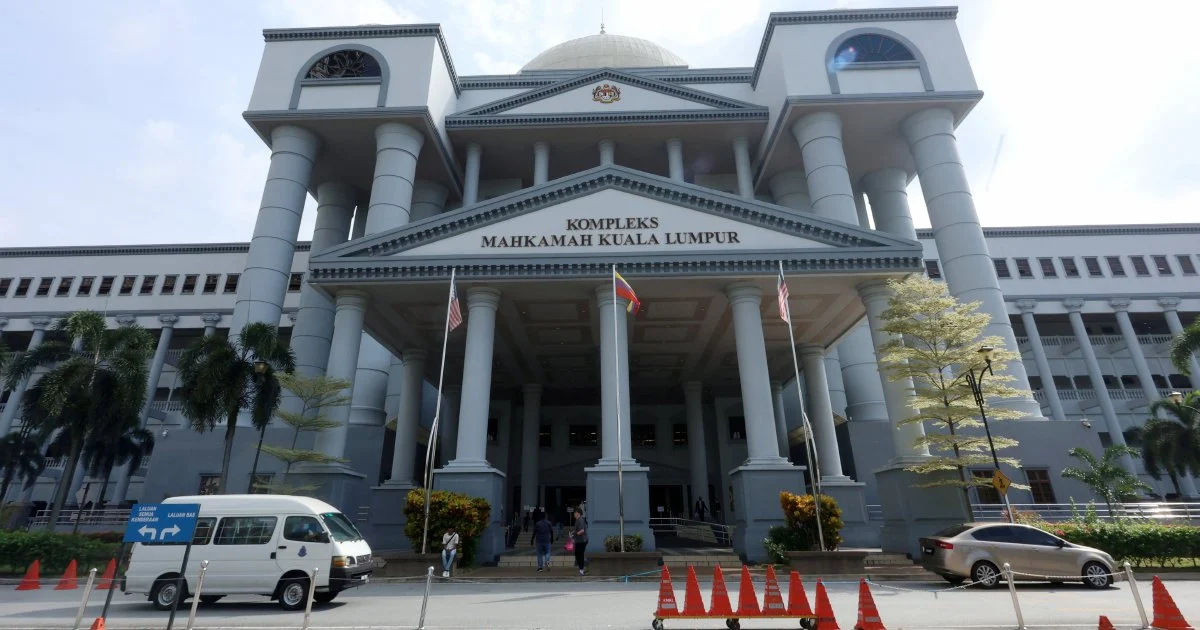
A chief executive of a major statutory body is to appear before Kuala Lumpur Sessions Court today to face seven corruption charges stemming from alleged bribery and illicit payments linked to sports facility development projects. The executive stands accused of soliciting and accepting bribes in excess of RM1 million, marking a significant case in Malaysia's ongoing anti-corruption efforts. The charges carry serious potential penalties under Malaysia's anti-graft legislation, which imposes substantial prison sentences and fines for public sector employees found guilty of corruption offences.
The charges relate to a pattern of alleged misconduct centred on the award and execution of sports infrastructure contracts. Malaysian Anti-Corruption Commission (MACC) investigations have uncovered what authorities consider systematic abuse of the executive's official position to demand and receive improper financial benefits. The case underscores persistent vulnerabilities within statutory bodies responsible for managing public funds allocated to national sports development and facility construction programmes.
Sports facility development projects across Malaysia have historically attracted corruption risks due to the substantial budgets involved, the discretion exercised by approving officials, and the competitive nature of tender processes. When individuals in decision-making positions exploit their authority to extract bribes from contractors, the integrity of procurement becomes compromised. Projects intended to serve the public interest instead become vehicles for personal enrichment, potentially compromising construction quality and project delivery timelines.
The statutory body sector represents a critical component of Malaysia's public administration apparatus, overseeing everything from infrastructure development to social services delivery. Corruption at the executive level sends troubling signals throughout these institutions and erodes public confidence in governance structures. When those entrusted with significant administrative authority use their positions for personal gain, it fundamentally undermines the legitimacy of public institutions and the officials who operate with integrity.
The scale of the alleged misconduct—exceeding RM1 million in bribes—suggests sustained and deliberate wrongdoing rather than isolated incidents. Such quantum indicates that bribes were likely extracted across multiple transactions and contracts, potentially affecting numerous projects over an extended period. The multiplicity of charges reflects the MACC's comprehensive investigation into the executive's financial dealings and contractual relationships.
For Malaysian readers and businesses, this case illustrates the continuing reality of corruption risks in public procurement despite anti-corruption agency efforts. Companies operating in sectors dependent on government contracts must remain vigilant about improper demands from public officials. Simultaneously, the case demonstrates that the MACC retains capacity to investigate high-level misconduct and build cases sufficiently robust for prosecution, even against individuals commanding significant institutional authority.
The statutory body framework in Malaysia, while designed to create arms-length administration of specific sectors, can sometimes create accountability gaps. When executive leadership operates with limited transparency or oversight mechanisms, opportunities for abuse multiply. This case will likely prompt reviews of internal controls, approval processes, and financial management practices within similar institutions.
Malaysia's anti-corruption framework relies on the MACC's investigative competence, prosecutors' expertise, and the judiciary's commitment to holding public sector wrongdoers accountable. Successful prosecution in high-profile cases involving statutory body executives carries symbolic importance in signalling that senior officials remain subject to the law regardless of their institutional position. Conversely, public perception that powerful officials escape consequence fuels cynicism about governance and rule of law.
The sports sector represents an area where corruption can have cascading consequences beyond financial loss. Diverted resources mean fewer facilities for athletes, delayed training centre completions, and compromised infrastructure quality that athletes and communities depend upon. Corruption in sports development also damages Malaysia's competitiveness in regional sporting competition by constraining investment in athlete development programmes and grassroots facility expansion.
The court appearance today initiates a legal process that will unfold over months of proceedings. The evidence presentation will reveal investigative details regarding how the MACC identified the alleged misconduct, the methods used to extract bribes, and the financial trails documenting illicit payments. Such transparency in court proceedings allows public scrutiny of corruption cases and demonstrates institutional accountability.
For Southeast Asia more broadly, corruption cases within statutory bodies reflect region-wide governance challenges. Countries across ASEAN wrestle with similar issues regarding public sector accountability and institutional controls. Malaysia's approach to investigating and prosecuting such cases offers lessons—both positive and cautionary—for neighbouring nations developing their own anti-corruption mechanisms.
The outcome of this prosecution will significantly influence public and institutional responses to corruption within Malaysia's statutory body sector. A conviction and substantial sentencing sends a powerful deterrent message to other officials tempted toward misconduct. Conversely, any procedural complications or legal challenges that emerge during trial could affect public confidence in the anti-corruption process, highlighting the importance of rigorous investigative standards and prosecutorial preparation.

