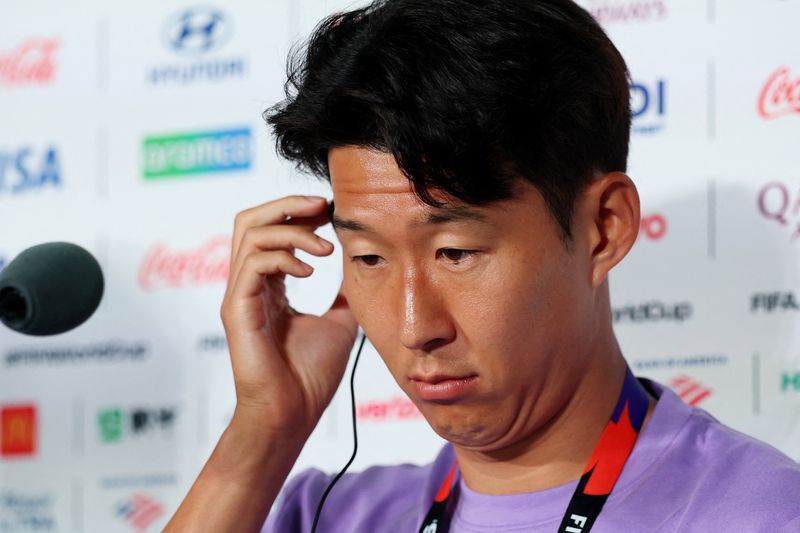
South Korea's national football team has withdrawn from voluntary media commitments during the World Cup following an incident in which journalists allegedly ridiculed captain Son Heung-min's military service obligations. The controversy erupted at the team's training base in Guadalajara, where remarks made by reporters were captured on an open microphone while the 33-year-old trained separately from his teammates. The boycott reflects growing frustration within the squad over what officials view as inappropriate conduct from domestic media personnel tasked with covering the nation's footballing efforts on the world stage.
The incident touches on a deeply complex and emotionally charged issue in South Korean society. All able-bodied men in the country are legally required to complete approximately 21 months of military service, a cornerstone of national defence strategy aimed at maintaining readiness against potential threats from North Korea. This obligation has long been a source of debate, particularly among athletes and entertainers who face interruptions to their careers during their physical prime. The mandatory service represents both a patriotic duty and a significant personal sacrifice for young South Korean men, making any perceived mockery of it a highly sensitive matter.
However, the military system does provide pathways for exemption or deferment, particularly for athletes who achieve exceptional international success. The most prestigious of these is winning gold at the Asian Games or earning medals at the Olympic Games. Son and his Tottenham Hotspur teammates secured this exemption when they captured the gold medal at the 2018 Asian Games in Jakarta, allowing them to avoid or defer their service obligations. This special status, while earned through sporting excellence, can itself become a source of controversy and public scrutiny, as evidenced by the recent incident.
The Korea Football Association responded swiftly to the controversy, releasing a formal statement expressing regret over what it described as inappropriate remarks by certain media personnel. The organisation emphasised that the national team, known as the Taegeuk Warriors, has been working diligently to represent South Korea at the World Cup and to honour the expectations and support of the Korean people. The statement underscored the squad's commitment to their duties on football's grandest stage, positioning the team's efforts as an extension of national pride and sporting endeavour.
The KFA's response also highlighted the broader implications of the incident for South Korea's media environment surrounding sports. The association formally requested that media outlets demonstrate greater consideration and adopt more responsible attitudes towards the national team, suggesting that coverage has occasionally crossed professional boundaries. By doing so, the KFA implicitly acknowledged an ongoing tension between aggressive sports journalism and the emotional wellbeing of athletes representing their nation. The organisation pledged to prioritise protection of the squad and work towards establishing what it termed a healthier media landscape for future coverage.
Despite the squad's frustration with domestic media, they remain bound by international football regulations that supersede their voluntary boycott. FIFA, the governing body of world football, mandates certain media obligations for all participating teams at major tournaments, ensuring that squads cannot entirely withdraw from press engagement. This requirement means that while the South Korean players can refuse to participate in additional or voluntary media activities beyond these mandatory sessions, they cannot completely avoid journalists during the World Cup. The tension between respecting the team's concerns and fulfilling regulatory duties creates a delicate balancing act for football authorities.
Son's own military service history provides additional context to the controversy. Despite his elite status as a professional footballer, he did undergo basic military training in 2020, completing a three-week stint that was anything but ceremonial. The training involved genuine hardship, including exposure to tear gas, live-fire drills, and 30-kilometre hikes designed to test physical and mental endurance. The timing of his service was strategic, occurring during a suspension of the English Premier League due to the COVID-19 pandemic, allowing him to fulfil his obligations without abandoning his club career entirely. This sacrifice demonstrates that even exempted athletes shoulder real military responsibilities.
The incident reflects broader regional sensitivities around military service and national security in East Asia. For Malaysian and Southeast Asian observers, the controversy illustrates how deeply intertwined sporting success, national identity, and defence obligations remain in countries facing significant geopolitical challenges. Unlike most nations in Southeast Asia, South Korea maintains a militarised approach to national security with compulsory service for its male population, making the topic far more existentially significant than in most Western countries. Understanding this cultural and security context is crucial for international journalists and observers evaluating South Korean football news.
The timing of this controversy also raises questions about media professionalism and the pressure cooker environment of major tournaments. World Cup coverage is intensely competitive, with journalists and media outlets seeking exclusive angles and stories to capture audience attention. The alleged mocking of Son's military service suggests that some reporters may have crossed from professional inquiry into personal criticism, potentially reflecting frustrations with the player's individual performance or broader team dynamics. Such breaches of professional conduct, when exposed, can poison the relationship between athletes and the press, creating precisely the kind of conflict now unfolding.
For the South Korean football programme, managing this situation effectively will have implications extending beyond the current tournament. If the team perceives the domestic media as hostile or disrespectful, future squads may adopt similarly defensive postures, creating a chilling effect on sports journalism. Conversely, media outlets may become more cautious in their coverage, potentially leading to less critical analysis of team performance and individual player conduct. The KFA's emphasis on creating a healthier media environment suggests a recognition that sustainable relationships between sports organisations and journalists require mutual respect and clear professional boundaries.
The incident also carries significance for how South Korea presents itself internationally. Major sporting events are platforms for nations to showcase their cultures, values, and institutions to global audiences. When internal conflicts between athletes and media emerge publicly, they can undermine the unified national image that countries typically seek to project during World Cups and Olympics. The KFA's handling of this situation, including their formal statements and attempts to protect squad morale, demonstrates awareness of these broader diplomatic and soft-power considerations.
Moving forward, the resolution of this controversy will likely involve dialogue between the KFA, media organisations, and possibly government bodies responsible for national security issues. Establishing clear guidelines for how military service matters should be discussed in sports coverage, while respecting both journalistic freedom and athlete dignity, represents a complex challenge. The outcome may influence how similar sensitivities are handled in future sporting events involving South Korean athletes and could serve as a case study for other nations navigating the intersection of sports, national defence, and media freedom.