South Korean police have commenced questioning executives at Shinsegae Group, the operator of Starbucks Korea, as part of an ongoing investigation into a promotional blunder that ignited significant public backlash and touched on one of the nation's most sensitive historical events. The Seoul Metropolitan Police Agency questioned Yang Jong-hwan, head of Shinsegae Group's audit team, on Wednesday in connection with the controversy, according to a company statement released Thursday. The incident has drawn unprecedented attention to the intersection of corporate marketing practices and historical commemoration in South Korea, where collective memory of the military era remains deeply fraught.
The scandal centred on a "Tank Day" promotion for reusable coffee cups that Starbucks Korea, which operates over 2,000 outlets nationwide under a licensing agreement with Shinsegae Group, launched on May 18. The timing proved catastrophically insensitive, as May 18 marks the anniversary of the Gwangju uprising in 1980, when military forces cracked down on pro-democracy demonstrators, resulting in at least 165 confirmed deaths according to official records, though historians and survivors' families maintain the actual toll was substantially higher. The promotional campaign, which appears to have been designed without awareness of this historical significance, became emblematic of corporate negligence regarding national trauma.
The immediate institutional response involved swift but ultimately insufficient damage control. Shinsegae Group terminated its Korea chief executive on the day the scandal broke, signalling urgent attempts to contain the fallout. The group's chairman Chung Yong-jin subsequently made a public apology, acknowledging the gravity of the error. However, these measures failed to satisfy civic groups and public opinion, which viewed the incident as not merely a marketing mistake but as symptomatic of broader historical amnesia among younger corporate decision-makers in South Korea.
The legal dimension of the scandal expanded significantly when a civic group filed a formal complaint against Chung and other senior executives, invoking the 2016 law that carries provisions specifically prohibiting dissemination of false information concerning the 1980 pro-democracy crackdown. This legal framework, born from South Korea's ongoing reckoning with its authoritarian past, proved instrumental in escalating the investigation from a corporate relations issue to a matter of criminal concern. The complaint additionally included charges of defamation and insult, broadening the scope of potential legal liability beyond historical sensitivity violations.
Internal investigations by Shinsegae revealed a cascade of organisational failures that had enabled the promotion to proceed without scrutiny. The company identified negligent practices throughout the approval chain, including instances where officials authorised the campaign materials without actually reviewing the design files. This systemic lack of due diligence suggested that the promotional calendar had not been cross-checked against significant national dates, raising questions about corporate governance standards within one of South Korea's largest retail conglomerates. The findings underscored how bureaucratic shortcuts and compartmentalised decision-making can inadvertently cause institutional crises.
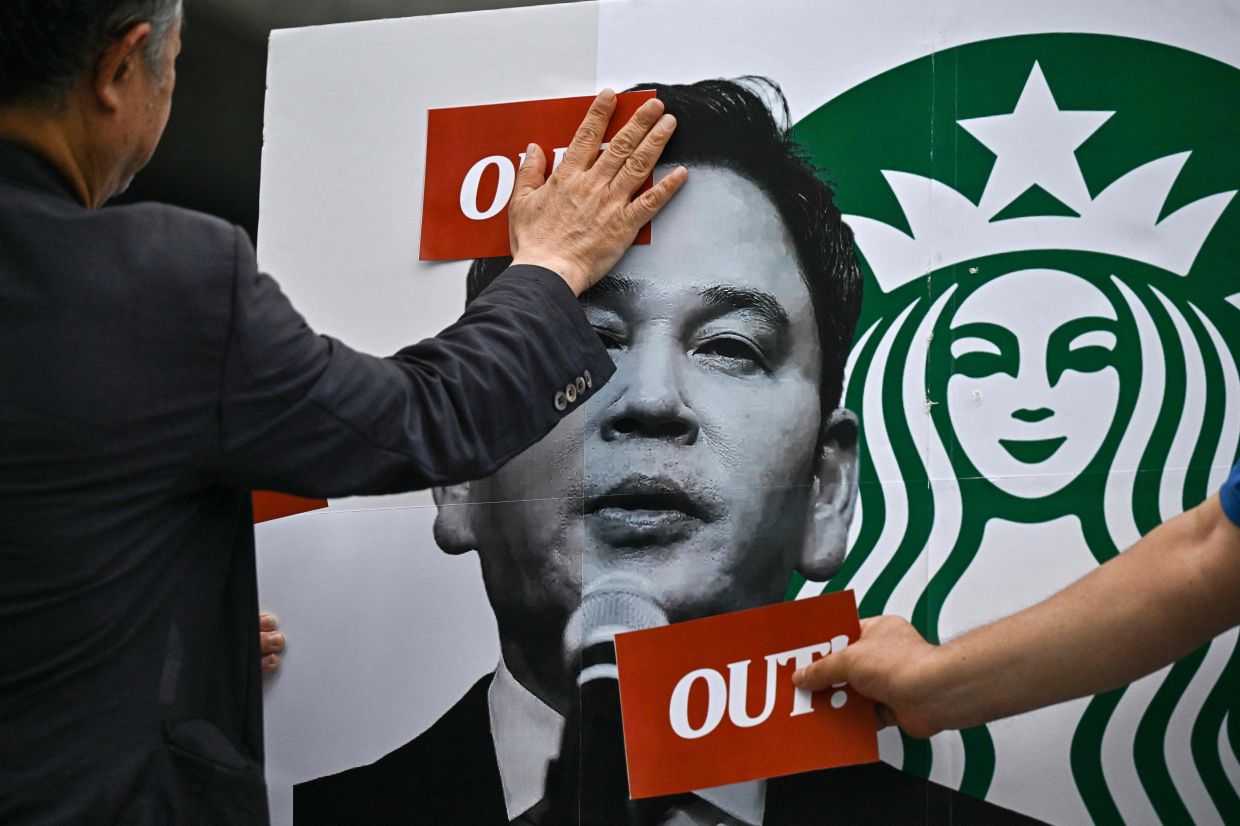
Public reaction transcended typical consumer dissatisfaction, manifesting instead as expressions of collective historical grievance. Protests erupted in Seoul and Gwangju, with the latter city—where the uprising occurred and where its memory remains most sacred—witnessing particularly intense demonstrations. The controversy triggered what the operator described as a "sharp decline in sales" during the immediate aftermath of the scandal, demonstrating how severely reputational damage can translate into commercial consequences in the South Korean market. This economic impact underscored the enduring significance of 1980 in contemporary Korean consciousness.
In response to the public outcry, Starbucks announced a mandatory educational initiative designed to rebuild institutional awareness of the historical event among its workforce. All Starbucks locations across South Korea will close for half a day on the following Monday to allow staff members to participate in a formal history lesson addressing the Gwangju uprising and its broader historical context. The chairman and other senior executives from Shinsegae will attend a separate educational session two days later, institutionalising historical literacy as part of corporate accountability.
The controversy carries particular weight given South Korea's commercial significance globally and regionally. Starbucks operates in South Korea as the company's third-largest market internationally, trailing only the United States and China in revenue and store count. This commercial prominence means that brand reputation damage reverberates not only through domestic consumer markets but also affects international perceptions of how South Korean companies manage cultural and historical sensitivity. The incident has thus become a case study in the risks of global corporate operations in markets with deeply embedded historical narratives.
The investigation represents broader scrutiny of how major corporations navigate South Korea's commemoration calendar and collective historical memory. The 1980 Gwangju uprising continues to occupy a central place in national identity, democratic consciousness, and generational attitudes toward state authority. For younger corporate employees and leadership cohorts who did not directly experience the authoritarian era, the scandal exposed dangerous gaps in historical awareness that span across educational and institutional cultures. The police inquiry signals that state authorities take seriously any perceived trivialisation of this pivotal moment in the nation's democratic development.
Political figures have seized upon the incident as evidence of concerning trends in public discourse. President Lee Jae Myung publicly condemned the promotion as "inhumane and disgraceful conduct," elevating the issue from a corporate management failure to a matter of national values and political principle. His statement reflected anxieties about how commercial entities engage with historical memory, particularly in an era when social media amplifies public sentiment and corporate missteps can quickly become symbols of broader cultural anxieties.
The path forward for Shinsegae and Starbucks Korea involves not merely legal navigation but substantive institutional reformation regarding historical awareness in marketing and business planning. The case illustrates how South Korean corporations operating in sensitive historical contexts must implement robust protocols ensuring that promotional calendars, product launches, and marketing campaigns undergo scrutiny for potential historical implications. This incident will likely influence corporate governance practices across the retail and food service sectors, establishing precedent that negligence regarding commemoration dates constitutes a serious institutional liability rather than a minor oversight.