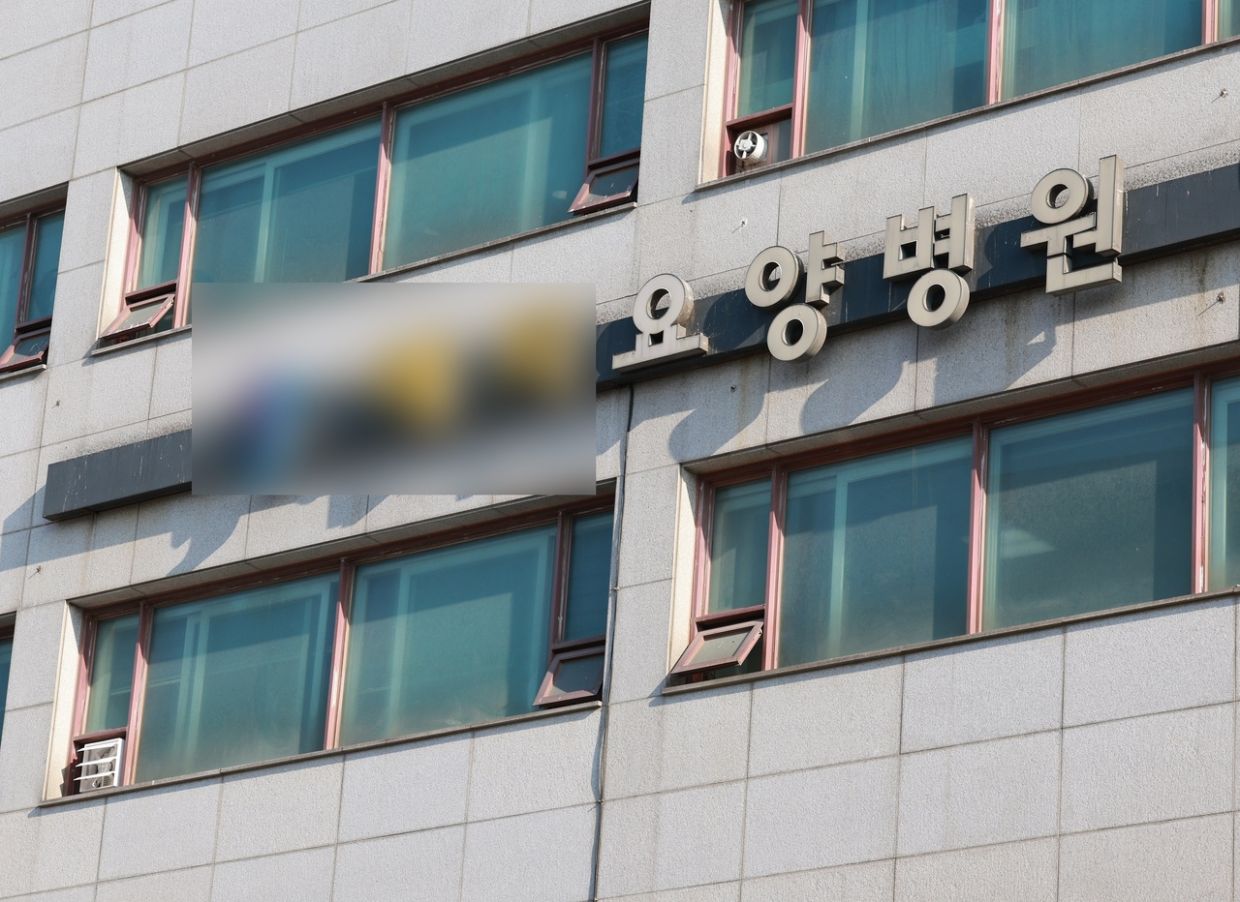
South Korean police investigating a human leg found at a recycling centre in Incheon last week have determined it was accidentally thrown away by a nursing hospital in Jung-gu, marking an unusual case of institutional mishandling of medical waste. The Incheon Yeonsu Police Station confirmed on Friday, 19 June, that the limb had been improperly disposed of by cleaning staff at the facility, a discovery that came two days after hospital officials themselves reported the incident to authorities. The leg belonged to an elderly female patient in her eighties who had undergone amputation at the nursing hospital, a fact corroborated through DNA analysis by the National Forensic Service after initial forensic examination confirmed it came from an adult.
The sequence of events leading to the unusual discovery began on 10 June when a worker at the Southern Regional Resource Recovery Centre found the leg at approximately 2.28 in the afternoon. The initial discovery triggered a police investigation, though at that point the source and circumstances remained unclear. After forensic specialists established the leg's human origin and adult status, hospital administrators came forward independently to acknowledge responsibility, claiming the limb had originated from their facility. Subsequent DNA testing proved definitively that the amputated limb matched the genetic profile of the female patient treated at the Jung-gu hospital, eliminating any remaining uncertainty about its provenance.
While investigators have ruled out criminal foul play in the discovery, the case raises serious questions about institutional procedures and regulatory compliance in South Korea's healthcare system. The immediate cause of the mishap appears to have been human error compounded by poor workplace protocol. A member of the cleaning staff, reportedly in their sixties, mistook the amputated leg for a mannequin limb or similar non-medical object and disposed of it alongside regular refuse rather than in the designated medical waste containers required by law. This fundamental breakdown in safety procedures has exposed potential vulnerabilities in how sensitive medical materials are handled and segregated from general waste streams at healthcare facilities.
South Korea's Wastes Control Act establishes clear statutory requirements for the disposal of medical waste, mandating that such materials be placed in government-designated containers and processed through authorised channels rather than mixed with conventional recyclable or general waste. The hospital's apparent violation of these regulations places it in direct contravention of environmental and public health legislation, creating potential liability for administrative penalties and legal sanctions. Investigators are currently examining whether the facility had properly implemented these waste management protocols and whether supervisory oversight existed to prevent such lapses. The discovery underscores how even advanced healthcare systems can experience procedural breakdowns when organisational safeguards are inadequately enforced or monitored.
Beyond waste management violations, authorities are simultaneously investigating whether the amputation procedure itself complied with South Korea's Medical Service Act, adding a layer of complexity to the case. Questions have emerged regarding whether the nursing hospital possessed the requisite equipment and surgical facilities to legally perform such a procedure, given that nursing homes typically operate under different licensing and capability standards than general hospitals. Police have not yet issued a definitive statement on this contentious issue, which could carry more serious consequences than simple waste mishandling if the amputation was performed in violation of medical practice regulations. The dual investigation demonstrates how a single incident can expose multiple layers of institutional non-compliance across regulatory frameworks.
The hospital's accountability remains uncertain pending further legal consultation and departmental coordination. A police spokesperson indicated that authorities have not yet identified specific criminal charges under the Medical Service Act applicable to the case, necessitating consultation with the Korean Medical Association, the Ministry of Health and Welfare, and legal experts before drawing conclusions. This cautious approach reflects the complexity of healthcare regulation in South Korea and the need for specialised expertise when cases straddle multiple regulatory domains. The extended consultation process, while thorough, also highlights potential gaps in clear statutory guidance for handling such unusual circumstances.
Context surrounding the patient's hospitalisation adds a humanitarian dimension to the administrative investigation. According to statements from family members provided to authorities, the female patient had been admitted to the nursing facility after multiple other hospitals refused to accept her as her medical condition deteriorated. This suggests the family had limited options when seeking appropriate care, and the nursing home may have represented a last-resort placement. The patient's vulnerable status and her family's constrained circumstances provide important background for understanding how such institutional lapses occur, though they do not excuse the facility's failure to maintain proper medical waste procedures. The case illustrates how patients with complex or deteriorating conditions often face limited access to appropriate facilities, potentially correlating with quality-of-care and safety concerns at receiving institutions.
For Malaysian and broader Southeast Asian healthcare administrators and policymakers, the Incheon case serves as a cautionary example of institutional risks that can materialise when medical waste protocols lack robust monitoring and enforcement mechanisms. Many regional healthcare facilities operate under similar regulatory frameworks mandating separate disposal of medical waste, yet implementation and compliance vary considerably across institutions and jurisdictions. The incident demonstrates that even apparently straightforward procedures like waste segregation require clear signage, regular staff training, supervisory oversight, and periodic audits to prevent serious lapses. Healthcare administrators throughout the region should examine their own facilities' waste management procedures and worker accountability systems to identify and remediate potential vulnerabilities before such failures occur.
The investigation also raises questions about institutional transparency and self-reporting in healthcare. The hospital's decision to voluntarily report the incident to police two days after discovering it represented responsible institutional conduct, though it could not undo the initial failure in waste handling. This contrasts with scenarios where institutions might attempt to conceal such incidents or continue operating with unaddressed safety deficiencies. South Korea's regulatory environment appears to have incentivised disclosure rather than cover-up, a positive institutional dynamic that other healthcare systems should seek to encourage through their own regulatory frameworks and enforcement approaches.

