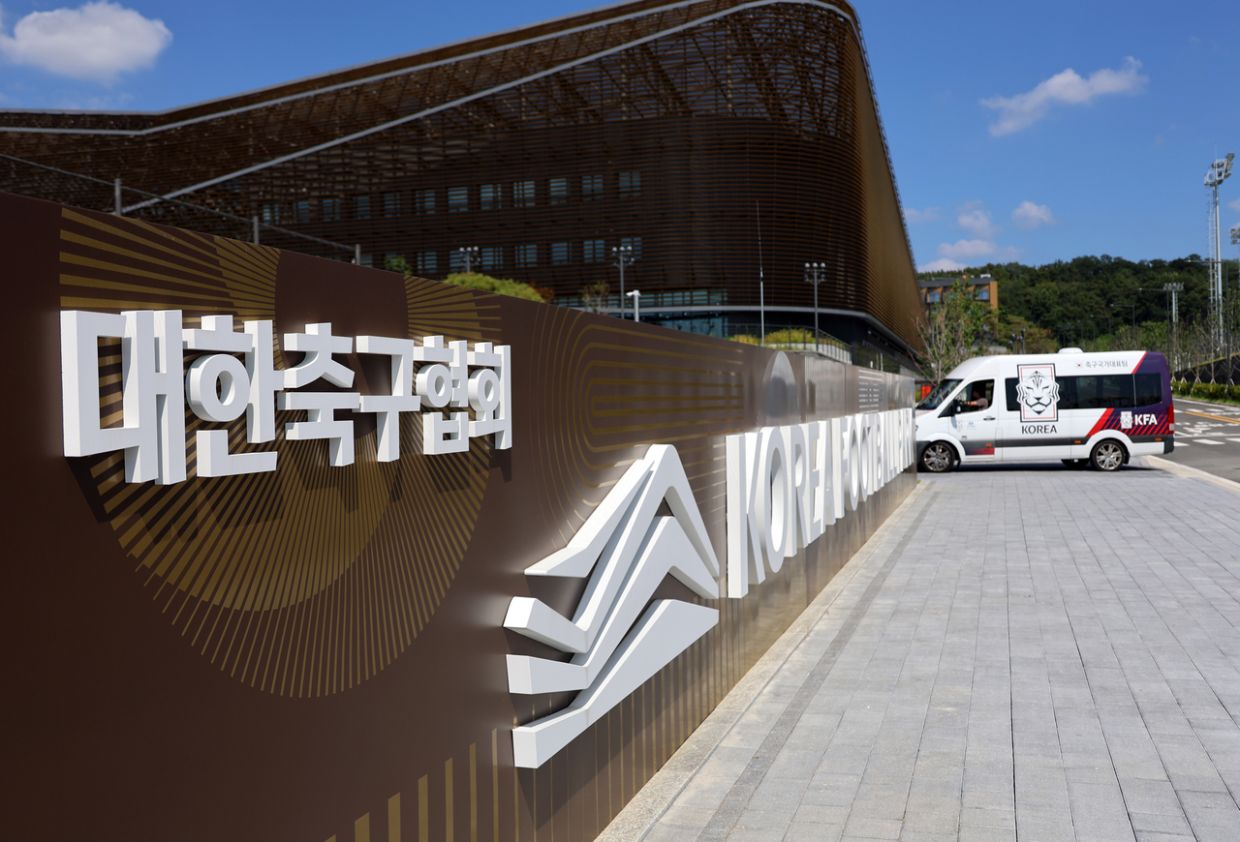
The Korea Football Association's mushrooming scandal over alleged sexual bribery of foreign referees has now engulfed Japan's football governance, with the Japan Football Association confirming an investigation into four of its own officials linked to the scheme. This regional dimension to the controversy underscores how institutional failings in sports administration can transcend borders and implicate officials across multiple countries, raising questions about oversight mechanisms throughout East Asian football.
The KFA acknowledged wrongdoing on Saturday with a public apology, attempting damage control as the controversy intensified through multiple fronts. Parliamentary scrutiny of the association's governance, combined with a police raid on its offices connected to a separate hiring controversy involving former coach Hong Myung-bo, created mounting pressure that forced the organisation's hand. The apology represented a significant admission of institutional failure, though the KFA stopped short of accepting all implications that match outcomes may have been compromised.
At the heart of this scandal lies a 2016 Ministry of Culture, Sports and Tourism audit that remained dormant until resurfacing this month following a JTBC television report in early August. The audit documented what it characterised as improper conduct spanning a discrete 13-month window from March 2011 to March 2012. During this period, the KFA allegedly deployed corporate credit cards on eight separate occasions to fund entertainment at massage establishments for approximately ten foreign referees and match commissioners involved in seven fixtures—three World Cup and Olympic qualifiers plus four friendly internationals staged on South Korean soil.
The statistical record of those seven matches provides circumstantial fodder for speculation about outcome manipulation. South Korea recorded five victories, two draws, and no defeats during this audit period, a notably strong return that naturally invites questions about whether results reflected genuine sporting merit or external influence. South Korean officials have categorically denied suggestions that match results were influenced by the alleged entertainment provision, though they acknowledge the conduct itself was inappropriate and violated proper governance standards.
Japan's involvement became apparent when the JFA confirmed its investigation into four Japanese referees allegedly receiving such entertainment. Japanese media outlets have already identified two of these officials by name, including one currently serving as a JFA referee manager with oversight responsibilities for J-League officials—Japan's domestic top flight—and another who captained the four-person all-Japanese referee crew for South Korea's 2012 World Cup qualifier against Kuwait, a match the audit identifies as involving entertainment payments to two referees. The exposure of these individuals, particularly one holding current administrative authority, potentially undermines confidence in Japanese football governance and raises accountability questions.
However, Japanese commentary has offered important caveats to the narrative. Officials and analysts have noted that the mere fact of officiating a match does not automatically confirm that any individual referee personally received the entertainment in question, a distinction that matters legally and ethically. This nuance suggests the investigations require careful, evidence-based approaches rather than guilty-by-association reasoning, particularly given reputational stakes for officials who may not bear direct culpability.
The temporal distance between the alleged conduct and present enforcement presents a fundamental legal obstacle to meaningful international sanctions. FIFA's ethics code typically enforces a statute of limitations spanning five to ten years for most offences, which would substantially bar action given that the underlying events occurred between 2011 and 2012. The conduct would need to constitute sexual abuse or exploitation—categories carrying unlimited liability under FIFA regulations—to potentially escape time restrictions, but the characterisation as bribery rather than exploitation may prove determinative in dismissing remote disciplinary prospects.
Most of the referees implicated in the audit have since retired from international duty, further complicating enforcement scenarios where career consequences could theoretically apply. A South Korean criminal investigation related to the conduct was previously closed due to insufficient evidence, suggesting domestic legal systems also struggle with prosecutorial viability at this temporal distance and with the documentary evidence available. These practical realities mean that despite international media attention and calls for reform, formal FIFA sanctions appear increasingly unlikely.
The scandal carries particular significance for Southeast Asian football governance and participation. Malaysian officials and referees operating in regional competitions must consider how institutional systems across East Asia manage integrity, particularly when revenue interests and competitive advantage intersect. The episode illustrates how governance failures in one country's football administration can generate reputational spillover and operational disruptions affecting neighbouring nations.
The KFA's apology and announced reform commitments represent attempts at institutional rehabilitation, though observers will scrutinise whether substantive changes materialise or whether statements prove performative. The organisation pledged to restore transparency and reform internal practices, commitments that carry particular weight given football's significance in South Korean national identity and sporting culture. Rebuilding credibility with international partners and domestic stakeholders will require demonstrating systemic change rather than merely managing the immediate crisis.
Regional football bodies across Southeast Asia and East Asia face implicit pressure to examine their own governance frameworks and compliance mechanisms in light of this revelation. The scandal highlights how institutional cultures tolerating questionable practices can persist for years before public scrutiny forces acknowledgement and remediation. Malaysian football authorities and regional confederation bodies may use this cautionary example to strengthen internal controls, financial oversight of entertainment expenses, and ethics compliance monitoring that prevent similar transgressions.
Looking forward, the scandal's international dimensions suggest that football governance reform requires coordinated regional approaches rather than isolated national responses. The involvement of Japanese referees alongside South Korean administrative systems demonstrates how integrity challenges in one country's football ecosystem can implicate officials and systems across the broader region. This cross-border dimension underscores that commitments to transparency and ethical administration in Malaysian and Southeast Asian football ultimately depend on similar institutional commitments throughout East Asia, where sporting interchange remains frequent and reputational effects genuinely consequential.

