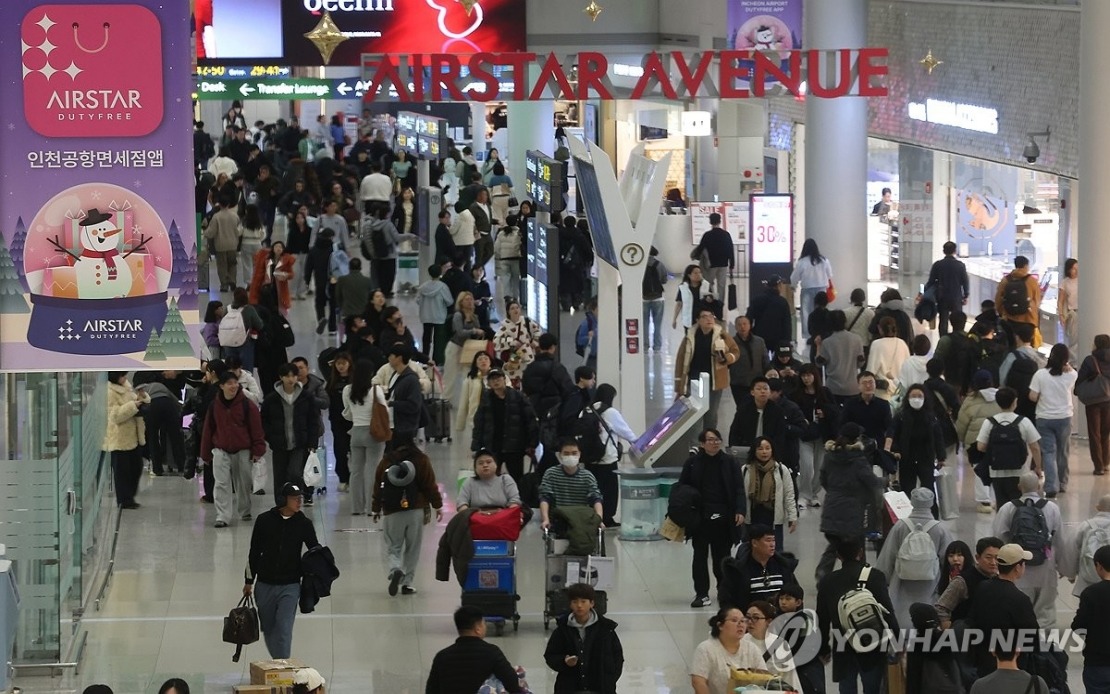
South Korea is experiencing a remarkable surge in international tourism, having surpassed the 10-million-visitor threshold by the third weekend of June—nearly a month ahead of the previous year's pace. This milestone, achieved for the first time within a single calendar year's first half, signals robust recovery in the nation's tourism sector and positions the country to potentially establish a new annual visitation record. The Ministry of Culture, Sports and Tourism attributes this acceleration to strengthening demand from key markets and diversifying travel patterns across the peninsula.
The achievement represents a significant turnaround in South Korea's tourism trajectory following pandemic-related disruptions. Last year, the 10-million mark was not reached until mid-July, making this year's performance approximately 30 days ahead of schedule. This compression reflects both pent-up demand from international travellers and enhanced marketing efforts targeting Asia-Pacific markets, where Malaysia and other Southeast Asian nations have emerged as important source regions for Korean tourism. The accelerated timeline underscores how quickly global travel patterns have normalised toward pre-pandemic levels.
May alone demonstrated the momentum driving this growth, with 1.95 million arrivals recorded during the month—a 19.4 percent increase compared to the same period last year. This single-month figure approaches one-fifth of the year's total to date, suggesting sustained rather than seasonal demand. The consistency of monthly arrivals from January through May, combined with the May surge, indicates structural growth in South Korea's attractiveness as a destination rather than temporary promotional effects.
Chinese tourists continue to dominate visitor statistics, accounting for 560,000 arrivals in May alone and representing the largest single-source market by a substantial margin. Japanese visitors followed with 360,000 arrivals, while Americans contributed 210,000 visitors. These three nationalities collectively account for a significant portion of all foreign arrivals, though the ministry has noted diversification of visitor origins, which reduces over-dependence on any single market—a risk factor highlighted during previous geopolitical tensions affecting specific bilateral relationships.
A particularly noteworthy development is the geographic redistribution of tourism across South Korea beyond the traditional Seoul metropolitan concentration. Regional airports recorded rising visitor volumes, climbing from 230,000 arrivals in January to 360,000 in May. This distribution pattern suggests improved connectivity and marketing of destination experiences outside the capital, benefiting provincial economies and spreading tourism revenue more equitably across the country. For Malaysian visitors and others from Southeast Asia, this expansion means enhanced accessibility to secondary cities and cultural sites previously less frequented by international tourists.
The economic impact of this tourism surge extends beyond visitor numbers. Foreign travellers' card spending—encompassing both in-store transactions and online purchases—reached 2.12 trillion won (approximately US$1.38 billion) in May alone. This figure marked the first time monthly spending exceeded the 2-trillion-won threshold since the government began systematic tracking in 2018, underscoring the high-value nature of contemporary tourism. The robust spending patterns reflect not merely increased arrivals but also willingness to engage in premium purchases and experiences, benefiting hospitality, retail, and entertainment sectors.
The Ministry of Culture, Sports and Tourism has framed this performance within the context of external headwinds, particularly elevated fuel surcharges resulting from Middle East-related geopolitical concerns that typically suppress international air travel demand. Despite these cost pressures, arrivals through May increased 21 percent year-on-year, suggesting that South Korea's appeal has strengthened sufficiently to overcome price sensitivity. This resilience contrasts with earlier periods when fuel cost spikes dampened tourism activity more severely.
Official strategy emphasises leveraging South Korea's distinct cultural assets to sustain momentum toward year-end. Kang Jung-won, head of the Ministry's tourism policy office, articulated plans to deepen partnerships with private-sector entities, particularly K-pop artists and export companies, to reinforce South Korea's positioning as a premier travel destination. This integrated approach recognises that entertainment and popular culture have become integral to travel decision-making, particularly among younger demographics from Southeast Asian markets where Korean pop culture maintains substantial following.
For Malaysian travellers and regional observers, South Korea's tourism acceleration carries implications beyond bilateral exchange. The country's recovery demonstrates robust demand for Asian destinations among both regional and distant source markets, competitive positioning within the broader Asia-Pacific tourism hierarchy, and the sustained appeal of cultural and entertainment-driven tourism experiences. The timing and pace of this growth also reflect post-pandemic consumer confidence in medium-haul travel and leisure spending among Asian affluent segments.
Looking forward, South Korea's trajectory suggests the country could comfortably exceed previous annual records if current monthly growth rates persist through the remainder of the year. Conservative projections indicate potential for 14 to 15 million annual visitors, representing approximately 20 percent growth year-on-year. This performance would position South Korea competitively within regional tourism rankings and validate substantial investments in destination marketing and infrastructure improvements undertaken over recent years.

