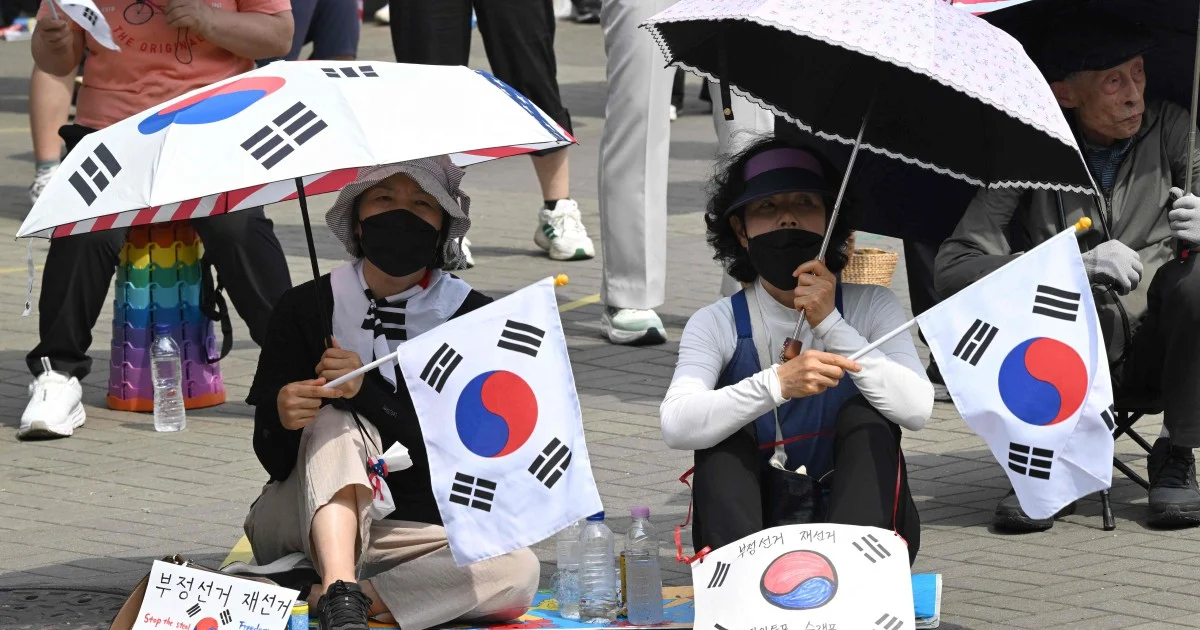
South Korea's legislative body has initiated a formal 45-day parliamentary inquiry targeting the National Election Commission, responding to widespread operational failures that marred the country's June 3 local elections. The investigation was greenlit during a parliamentary plenary session on Thursday, signaling growing political pressure to determine how critical voting materials ran short during a major electoral exercise in a democracy with relatively advanced administrative systems.
The ballot paper shortage that prompted this investigation represents a significant operational breakdown in an election widely regarded as important for assessing public sentiment on regional governance. The June 3 local elections determined leadership across municipalities, provinces, and local bodies, making the smooth administration of voting procedures essential to the legitimacy of the democratic process. That voters faced disruptions caused by insufficient ballot supplies has raised serious questions about the preparedness and competence of the election management apparatus.
This parliamentary investigation reflects the importance South Korea places on electoral integrity and public confidence in democratic institutions. The decision to formally scrutinize the National Election Commission's operations demonstrates that lawmakers from multiple political parties view the shortages as sufficiently serious to warrant government-level accountability. Such inquiries typically examine administrative procedures, resource allocation, planning failures, and oversight mechanisms to prevent future occurrences.
For Malaysian observers, this episode offers instructive parallels regarding the complexities of managing elections in developed democracies. Malaysia's own electoral framework, overseen by the Election Commission, must coordinate voting materials and polling logistics across a geographically dispersed and ethnically diverse population. The South Korean case demonstrates that even well-resourced nations with mature institutions can face logistical failures, underscoring the importance of rigorous contingency planning and robust quality assurance in electoral administration.
The 45-day timeline assigned to the parliamentary investigation suggests lawmakers expect a thorough but focused examination. This duration allows time to gather testimony from election officials, review planning documents, analyze voting records from affected constituencies, and interview poll workers who witnessed shortages firsthand. The compressed timeframe also reflects legislative impatience with the commission's performance and desire for swift accountability and corrective measures.
Election management agencies across Southeast Asia and East Asia typically face similar challenges during major polls: coordinating the distribution of ballots across numerous precincts, forecasting voter turnout with reasonable accuracy, managing last-minute substitutions or corrections, and ensuring equitable access to voting materials. South Korea's experience suggests that even sophisticated planning can falter when actual voting patterns diverge from projections or when supply chain coordination breaks down.
The investigation will likely examine whether the National Election Commission adequately consulted historical voting data and demographic projections when calculating ballot requirements for the June 3 elections. It may also scrutinize whether local election offices communicated emerging shortages in real-time to central authorities, allowing for emergency redistribution of materials. Such procedural gaps often underlie logistical failures in large-scale electoral operations.
For regional governance standards, South Korea's parliamentary response demonstrates a commitment to transparency and institutional accountability that strengthens rather than undermines democratic confidence. By subjecting the election commission to formal oversight and investigation, lawmakers signal that no institution—regardless of its administrative importance—stands above scrutiny. This approach contrasts with systems where electoral authorities operate with minimal oversight or accountability mechanisms.
The broader implications of this investigation extend beyond South Korea's borders. Regional election management bodies will likely monitor the inquiry's findings and recommendations, potentially adopting improved practices for ballot forecasting and logistics management. ASEAN nations with expanding election participation and growing numbers of constituencies face comparable challenges, making the outcomes of South Korea's parliamentary investigation relevant to electoral administration across the region.
Moving forward, the National Election Commission will face pressure to implement systemic reforms addressing the identified vulnerabilities. These might include revised ballot calculation methodologies, enhanced communication protocols between central and local election offices, improved contingency stockpiling strategies, or expanded use of technology to monitor and redistribute materials dynamically during voting periods. Such reforms would reflect lessons learned at considerable political cost.
The investigation also underscores how electoral failures, however well-intentioned the underlying causes, can become focal points for broader political criticism and loss of institutional credibility. Even if shortages resulted from unprecedented voter turnout rather than administrative incompetence, the public perception of a dysfunctional system may linger, affecting confidence in future elections. This reputational dimension makes thorough investigation and transparent communication especially important for election commissions operating in highly competitive political environments.
South Korean voters, despite experiencing voting disruptions on June 3, will now observe how seriously their parliament takes institutional accountability. The investigation's outcome and any resulting policy changes will either reinforce or undermine public trust in electoral institutions. For Southeast Asian nations grappling with their own electoral challenges, South Korea's response offers a template for how democratic systems can address administrative failures through institutional rather than political means.