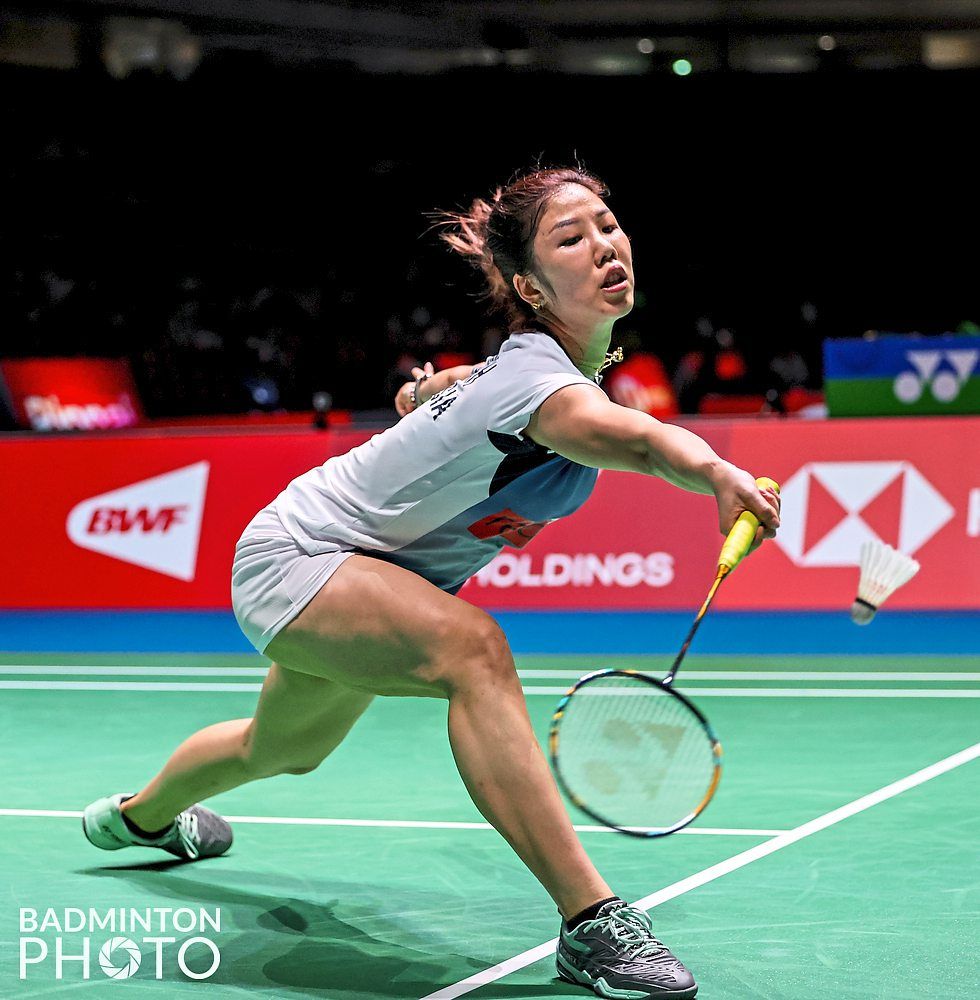
Soniia Cheah, the former Malaysia women's singles badminton representative, has ended her tenure as sports director of the Kuala Lumpur Badminton Association after a brief four-month period. Her resignation took effect on Wednesday, marking an unexpectedly short stint in the administrative role she assumed in February under a one-year contract.
The 33-year-old athlete, who once held the distinction of being Malaysia's top-ranked women's singles player and competed for the nation at the Tokyo Olympics, chose not to publicly disclose the specific circumstances that prompted her departure. However, she was transparent about the fundamental nature of her decision, emphasizing that it stemmed from a clash between operational practices within the association and her deeply held convictions about how the sport should be governed.
In her statement, Cheah explained that her transition out of the position followed substantial reflection on her role and responsibilities. She articulated that certain operational matters within KLBA had created an untenable situation where continuing would have required her to compromise on the standards and values she holds as a former national-level competitor. The decision reflected not personal animosity toward any specific individual but rather her professional conscience regarding broader institutional concerns.
Cheah's resignation carries particular weight given her distinguished playing history. Throughout her athletic career, she represented Malaysian badminton at its highest levels, establishing herself as a premier competitor in women's singles. Her participation in the Tokyo Olympics underscored her elite status within Southeast Asian badminton circles. Chronic Achilles tendon complications ultimately concluded her playing career in 2022, a common injury challenge that forces many athletes into early retirement despite their competitive aspirations.
The timing of her exit adds another layer of significance to developments within Malaysian badminton administration. Her final assignment coordinating the Kuala Lumpur contingent occurred at the Affin 100Plus Junior Elite Tour Finals, held at Stadium Juara in Bukit Kiara the previous week. This closing engagement focused on nurturing young talent—a priority that Cheah explicitly highlighted in her parting comments as central to her vision for the association.
Despite her abbreviated tenure, Cheah expressed genuine appreciation for the developing athletes she mentored during her time with the organization. This acknowledgment suggests that interpersonal relationships with junior players remained positive even as systemic concerns prompted her professional departure. Her gratitude toward the younger generation reflects the athlete-turned-administrator's enduring commitment to badminton's future pipeline, even while stepping away from her coordinating position.
For Malaysian badminton observers, Cheah's resignation raises questions about internal governance challenges at KLBA, particularly regarding how administrative decisions align with the values held by experienced former players entering coaching and management roles. Her principled stance—choosing to resign rather than operate under compromised conditions—may signal deeper organizational tensions that warrant scrutiny from badminton federation leadership.
The significance of this development extends beyond personnel changes. When high-profile athletes transition into administrative positions specifically to improve organizational practices, their early departures typically indicate substantive disagreements rather than superficial incompatibilities. Cheah's insistence that her exit should prompt institutional reflection suggests she views her resignation as a constructive intervention, hoping that association leadership will address the underlying concerns she identified.
For aspiring badminton players in Kuala Lumpur and across Malaysia, the departure of someone with Cheah's pedigree carries implications for mentorship continuity. Former national representatives bringing their competitive experience into developmental roles create valuable pathways for younger athletes to learn not just technical skills but also professional standards and integrity expectations. Disruptions in these mentoring relationships can fragment knowledge transfer and institutional culture.
Cheah's situation also reflects broader tensions within Malaysian sports administration, where experienced athletes entering governance often encounter organizational practices that differ significantly from international standards or from the professional environments they experienced competing abroad. The gap between athlete expectations and institutional realities frequently creates friction that results in departures among reformist-minded administrators.
Moving forward, KLBA must address the substantive concerns Cheah articulated while seeking replacement leadership. Whether the association embraces her implicit recommendations for institutional review or dismisses them as the grievances of one departing official will likely influence how future administrative appointments are received by the badminton community. Experienced former players considering administrative roles will closely observe how the association responds to this challenge.
Cheah's legacy in badminton extends now beyond her competitive achievements and into her demonstrated commitment to upholding standards even at professional cost. Her resignation serves as a reminder that sustainable administrative improvement requires leaders willing to make difficult decisions when principles are compromised. The broader Malaysian badminton community will be watching whether KLBA treats this as a meaningful intervention or an isolated departure.

