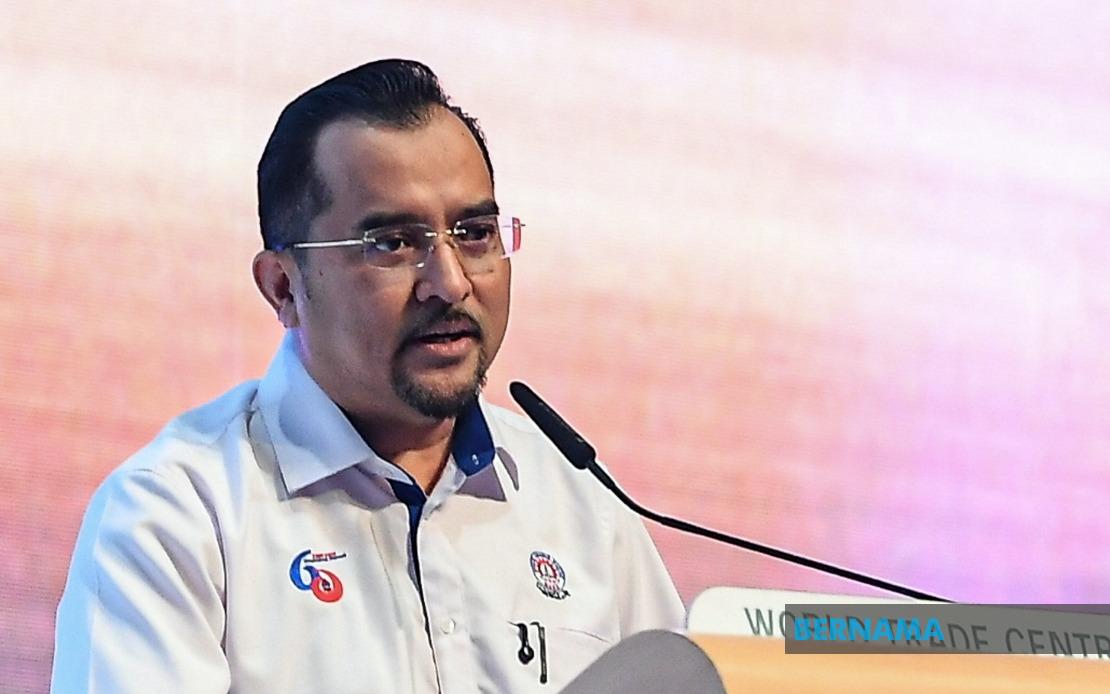
The Malaysian government's scholarship body has adopted an uncompromising stance towards a bullying case involving six senior pupils at one of its premier residential colleges in Johor. MARA Chairman Datuk Asyraf Wajdi Dusuki declared that expulsion awaits any student proven culpable in the alleged mistreatment of a classmate, signalling a hardline position on disciplinary matters within the network of MARA Junior Science Colleges (MRSM).
Datuk Asyraf issued the warning following the arrests of the six Form Five pupils, who currently remain in police custody for a two-day remand period to assist ongoing investigations. The case gained public attention only after the victim's parents disclosed their ordeal through social media platforms, explaining that their 14-year-old son had requested to withdraw from the institution due to the psychological toll of sustained bullying. This decision to publicise the matter prompted official intervention and a formal police report, transforming what might have remained an internal school matter into a broader public concern.
Responding swiftly to the incident, MARA's top leadership has instructed the Secondary Education Division and MRSM administration to convene the institutional Disciplinary Committee within 24 hours. This accelerated timeline reflects the seriousness with which the organisation is treating allegations that strike at the heart of its duty of care towards boarding students. The rapid mobilisation of the disciplinary apparatus underscores an acknowledgement that the college's reputation and credibility depend on demonstrating immediate, decisive action against serious misconduct.
The Chairman's public statement carries particular weight given his repeated emphasis of what MARA terms its foundational principle: "YOU TOUCH, YOU GO." This unambiguous slogan conveys that physical aggression, intimidation, or harm of any description will result in permanent removal from MRSM. By reiterating this message through official channels, Datuk Asyraf seeks to embed a culture of accountability throughout the entire residential college network and reassure parents that their children's safety is paramount.
The psychological dimensions of this case deserve attention, particularly the fact that the victim felt compelled to abandon a coveted place at a prestigious institution rather than continue enduring mistreatment. MRSM positions represent highly sought-after educational opportunities for talented Malaysian students, making the decision to leave such a programme a measure of the severity of the bullying experienced. Parents' willingness to publicly document their child's suffering suggests frustration with internal mechanisms for addressing the problem, indicating potential gaps in how schools report and handle such incidents.
Datuk Asyraf's warning extends beyond the immediate perpetrators to encompassing potential accomplices and enablers. He cautioned that any individual who attempts to conceal or shield those responsible for bullying will face disciplinary consequences themselves. This layered accountability framework addresses a common obstacle to bullying resolution: the informal protective networks or codes of silence that sometimes develop within boarding school communities, particularly when senior students exercise social dominance over juniors.
The incident raises broader questions about the boarding school environment and its particular vulnerabilities to unchecked peer aggression. Residential institutions concentrate large numbers of adolescents in unsupervised spaces and informal hierarchies, creating conditions where bullying can flourish if institutional vigilance falters. The fact that the victim's parents felt obliged to go public through social media suggests they may have exhausted or lacked confidence in internal complaint procedures, a systemic issue that Malaysian boarding schools would be wise to examine.
For prospective MRSM students and their families, the Chairman's firm statements should provide reassurance that the institution takes duty of care seriously and will not shield offenders behind institutional reputation. Conversely, the incident serves as a stark reminder that even in selective academic environments, behavioural standards must be actively enforced and monitored. The police investigation now running parallel to the internal disciplinary process suggests that prosecutors will evaluate whether criminal charges are warranted, potentially setting precedent for how similar cases are handled elsewhere.
The broader education sector will likely watch this case closely, as MRSM institutions serve as flagship government scholarship programmes and model boarding schools. How MARA handles disciplinary outcomes may influence approaches at other residential colleges and provide templates for addressing bullying across Malaysia's education system. The emphasis on swift, transparent processes and zero tolerance could either reassure communities about institutional accountability or raise questions about due process if investigations are perceived as rushed.
Meanwhile, Datuk Asyraf's public appeal for student reporting creates an important feedback mechanism, urging victims and witnesses to come forward rather than suffering in silence or attempting self-removal from school. Building a culture where students trust that reported misconduct will be taken seriously requires consistent follow-through on promises of action and protection from retaliation. The next 24 hours will prove critical in signalling whether the institution's tough rhetoric translates into substantive disciplinary measures.

