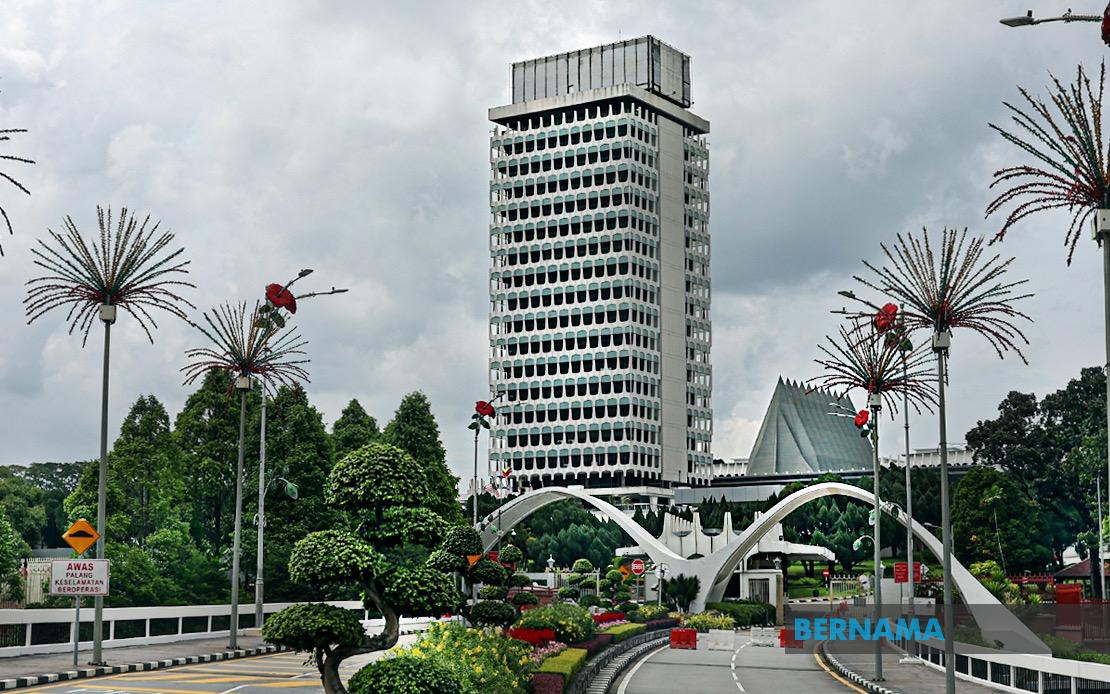
The opening week of Parliament's current sitting has yielded minimal legislative progress, with lawmakers passing only the Road Transport (Amendment) Bill 2026 amid broader debates on employment, security, and digital safety that reflect pressing national concerns.
Transport Minister Anthony Loke explained that the road transport amendment represents a meaningful tightening of enforcement tools against illegal racing. The new Section 42A enables authorities to act on street racing activities before accidents, injuries, or fatalities occur, eliminating a significant legal gap that previously hamstrung enforcement efforts. Under the old framework, police needed to establish proof of danger or actual harm before intervention became possible, a procedural hurdle that allowed dangerous driving behaviour to persist. The amendment streamlines this process, allowing earlier enforcement based on observable illegal racing conduct alone.
Looking ahead, Loke indicated his ministry plans to introduce further amendments to the Road Transport Act later this year, specifically addressing compensation mechanisms for accident victims and their families when drivers operate vehicles under the influence of alcohol or drugs. This proposed change would layer additional accountability mechanisms onto existing criminal penalties, representing a more comprehensive approach to deterrence and victim support in drink- and drug-driving cases.
Several other legislative proposals have advanced more slowly. The Prison (Amendment) Bill 2026, which would establish frameworks for electronic monitoring systems and volunteer-led rehabilitation initiatives within correctional facilities, has been postponed pending further Parliamentary Select Committee review. Additionally, lawmakers tabled for first reading four major bills: the Sexual Offences Against Children (Amendment) Act 2026, Competition (Amendment) Bill 2026, Competition Commission (Amendment) Bill 2026, and the Cybercrime Act 2026, which proposes repealing the Computer Crimes Act 1997 entirely in favour of modernised cybercrime legislation.
On parliamentary administration, Speaker Tan Sri Johari Abdul confirmed that Larut MP Datuk Seri Hamzah Zainudin has resumed his position as opposition leader, taking effect from June 18. Separately, two casual vacancies have arisen from the May 18 resignations of Datuk Seri Rafizi Ramli and Nik Nazmi Nik Ahmad representing Pandan and Setiawangsa respectively. The Election Commission has been formally notified as constitutionally required, setting the stage for potential by-elections in these constituencies.
Question time proceedings reflected the workload pressures facing the executive. Though Minister's Question Time typically reserves Tuesdays and Thursdays for Prime Minister Datuk Seri Anwar Ibrahim, operational demands diverted that time to relevant departmental ministers instead. This shift hints at the administrative intensity of current government operations, with parliamentary calendar flexibility accommodating urgent executive business.
Employment trends emerged as a critical discussion point. Human Resources Minister Datuk Seri R. Ramanan disclosed that 42,807 workers faced retrenchment between January and mid-June, with corporate restructurings and closures identified as primary causes. Yet Economy Minister Akmal Nasrullah Mohd Nasir offered a more optimistic counterpoint, noting that June retrenchments fell 20 percent from May levels and characterising the overall labour market as resilient. The labour force participation rate held steady at 70.9 percent, suggesting underlying employment stability despite localised disruption.
Border security received material support through government approval of RM22 million in funding. Home Minister Datuk Seri Saifuddin Nasution Ismail announced this investment would equip the Malaysia Border Control and Protection Agency with firearms and essential operational equipment, reflecting heightened focus on perimeter defence and cross-border control capabilities.
Energy transition and commodities policy featured in parliamentary discussions as well. Addressing global supply chain disruptions, the Ministry of Plantation and Commodities indicated it would assess whether advancing B50 biodiesel adoption remains economically viable, given the substantial upgrade costs existing blending facilities would require. This deliberative approach acknowledges the complexity of energy transition when capital constraints and infrastructure limitations intersect with broader sustainability objectives.
Digital child protection emerged as a priority legislative concern. Communications Minister Datuk Fahmi Fadzil highlighted the June 1 activation of the Child Protection Code and Risk Mitigation Code, obligating social media platforms to deploy age-verification systems protecting younger users. The Online Safety Act 2025 backs these requirements with penalties reaching RM10 million for non-compliant platforms, establishing meaningful commercial consequences for inadequate safeguarding measures. This regulatory framework responds to growing international and domestic concern regarding children's digital exposure to harmful content and predatory behaviour online.
The current parliamentary sitting extends for 16 days through July 16, providing lawmakers additional time to advance pending legislation and address the complex policy challenges articulated during this opening week. The limited output thus far—one passed bill amid four tabled bills and multiple postponements—suggests a measured legislative pace, potentially reflecting either the complexity of proposed measures or broader political deliberation before advancement.

