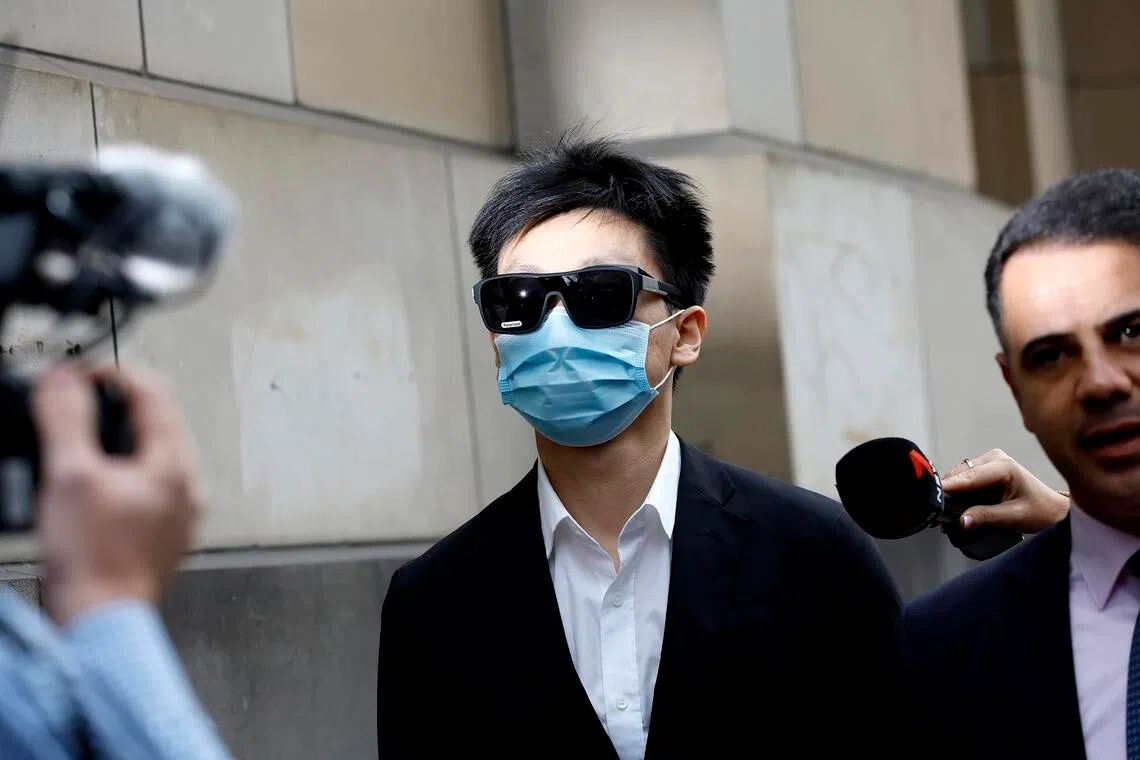
A Singapore-born trainee doctor working in Melbourne has admitted to secretly recording more than 500 colleagues in intimate settings across three major Australian hospitals, in a case that raises serious questions about workplace safety and institutional accountability in healthcare settings. Ryan Cho, 28, entered guilty pleas on Thursday to 13 consolidated charges at the Melbourne Magistrates Court, including stalking, installing covert recording devices, and creating unauthorised intimate material. The admissions bring closure to the evidentiary phase of what has become a highly publicised case in Australia and now threatens to expose systemic vulnerabilities in how hospitals vet and monitor medical staff.
The scale of Cho's alleged conduct became apparent only after his arrest in July 2025, when staff at the Austin Hospital discovered a mobile phone concealed in a mesh bag positioned in a staff toilet. That discovery triggered a police investigation that would uncover the extent of his systematic recording activities. Forensic examination of devices seized from his home—including a laptop, hard drive, and multiple mobile phones—revealed a trove of more than 10,000 video and image files documenting his victims without their knowledge or consent. The sheer volume of material suggests a prolonged and calculated operation spanning at least four years at the three hospitals where he had been employed: the Austin Hospital, Royal Melbourne Hospital, and the Peter MacCallum Cancer Centre.
Cho's professional trajectory in Australia began relatively conventionally. He arrived in Australia in 2017 and subsequently enrolled at Monash University to study medicine, a pathway taken by numerous international medical students seeking to establish careers in the country's healthcare system. He remained in Australia following his studies and was granted permanent residency in April 2025, just months before his arrest. His work as a trainee doctor at the three Melbourne hospitals between 2021 and 2025 placed him within a trusted professional environment where colleagues would have had no reason to suspect their privacy was being violated. Yet at some point during this period, Cho began systematically installing recording devices in staff bathrooms and changing areas, creating a comprehensive archive of invasive footage.
The criminal charges laid against Cho reflect the severity of his conduct. Victorian police initially laid 910 charges following their examination of his electronic devices, though the magistrate agreed with a joint submission from prosecution and defence to consolidate these into 13 counts. The specific charges—including stalking, installing optical devices for recording, and producing intimate images—represent serious breaches of privacy that extend beyond workplace misconduct into criminal territory. His guilty pleas to all charges represent an acknowledgment of systematic wrongdoing rather than isolated incidents of poor judgment.
The court proceedings have provided a stark picture of institutional breach. During the brief 30-minute hearing on Thursday, Cho confirmed he had deliberately and unlawfully obtained thousands of photographs and videos of colleagues utilising the facilities at all three hospitals. He also admitted to recording individuals with whom he shared residential accommodation during the same period, suggesting the predatory behaviour extended beyond his workplace. The admission that victims number more than 500 indicates a pattern of indiscriminate recording rather than targeting of specific individuals, though the psychological motivation remains unexplained in the sparse court record.
Magistrate Michelle Mykytowycz acknowledged numerous victims present in the courtroom and others participating via video link, signalling the case's considerable impact on those affected. The magistrate instructed Cho to stand and formally declare his plea to each charge, hearing him respond with a simple "Guilty" confirmation. Cho appeared in formal court attire—black suit, white shirt, and tie—sitting alone in the front row while his father, Wilson Cho, a logistics manager from Singapore, observed from the rear. The father's presence highlighted the family dimension of the case, particularly given his earlier stated surprise at the allegations against his son and the suspension of his medical registration by Australian health regulators in 2025.
Cho remains free on strict bail conditions arranged through an Australian $50,000 surety lodged by his parents in 2025, conditions that were extended on Thursday until a scheduled three-day pre-sentence hearing commencing November 23 at Melbourne's County Court. These restrictions substantially constrain his movements and activities. He must report to police three times weekly, maintain no contact with witnesses or potential witnesses, refrain from attending hospitals except in emergencies with prior police approval, and surrender all access to photographic or video recording devices outside his residence. He has already surrendered his passport. Additionally, the bail conditions require him to undergo appropriate medical treatment, acknowledging psychological dimensions to his behaviour that his legal representative described as reflecting "complex psychological issues" warranting intervention.
The November pre-sentence hearing will receive victim impact statements that are likely to be emotionally significant and potentially influential in sentencing deliberations. These statements from individuals who unknowingly became subjects of intimate recordings will provide the sentencing judge with direct testimony about the psychological harm, violated trust, and breach of safety experienced within what should have been a secure professional environment. The scale of victimisation—over 500 individuals across three major teaching hospitals—suggests multiple institutional failures in surveillance, access controls, and staff vetting protocols.
Beyond the criminal proceedings, the case has triggered broader civil accountability mechanisms that may prove equally consequential for Australian healthcare institutions. Approximately 100 victims, predominantly women, have lodged complaints with the Australian Human Rights Commission alleging sexual harassment and workplace discrimination, claiming the hospitals failed to protect them from the systematic violations. Legal representatives have indicated that more victims are expected to join these civil actions, transforming what began as individual criminal charges into institutional liability disputes that could reshape workplace safety standards across Australian hospitals. The involvement of specialist workplace rights lawyers suggests potential compensation claims and broader systemic reform demands.
For Southeast Asian medical professionals working abroad, the case serves as a cautionary reminder of the severe consequences of criminal conduct in regulated professional environments. Cho's suspension from medical practice in 2025 effectively terminates any prospect of practising medicine in Australia and will likely trigger notifications to international medical registration bodies, compromising employment prospects in other jurisdictions. The case also underscores vulnerabilities in how hospitals implement physical security measures and monitor staff conduct in sensitive areas, gaps that Australian healthcare administrators will now face pressure to address comprehensively.
The implications extend beyond individual criminal accountability to questions about institutional transparency and victim support during prolonged legal proceedings. The court's acknowledgment of victims and the arrangement for remote participation via video link reflect partial accommodation of their ongoing needs, yet the extended timeline—with sentencing not occurring until late 2024 or early 2025—means affected individuals face considerable continued emotional investment in judicial processes. Whether Australian hospitals will implement substantive reforms to prevent similar breaches remains to be seen, though the civil complaints mechanism provides financial and reputational incentives for institutional change that may ultimately benefit all healthcare workers in the jurisdiction.

