A 40-year-old Singapore resident faces serious criminal charges after orchestrating a pair of hoax bomb threats against high-profile government installations, sparking extensive security responses and resource deployment across the city-state. The suspect was arrested on July 7 following the second threat, with authorities announcing on Wednesday that formal charges would be filed by Thursday. The incidents underscore persistent security vulnerabilities in the digital age, where anonymous online communications can trigger major operational disruptions at the heart of government.
The first incident occurred on July 3 when the Home Team Science and Technology Agency (HTX) received an online form submission falsely claiming a bomb had been placed within its One North facility. Security personnel immediately cordoned off the building and conducted systematic sweeps of both the interior spaces and surrounding grounds, searching for any potential explosive devices or suspicious items. The thoroughness of the response reflected standard protocols designed to treat all bomb threats as credible until proven otherwise, a precaution that necessarily consumes significant police and security resources.
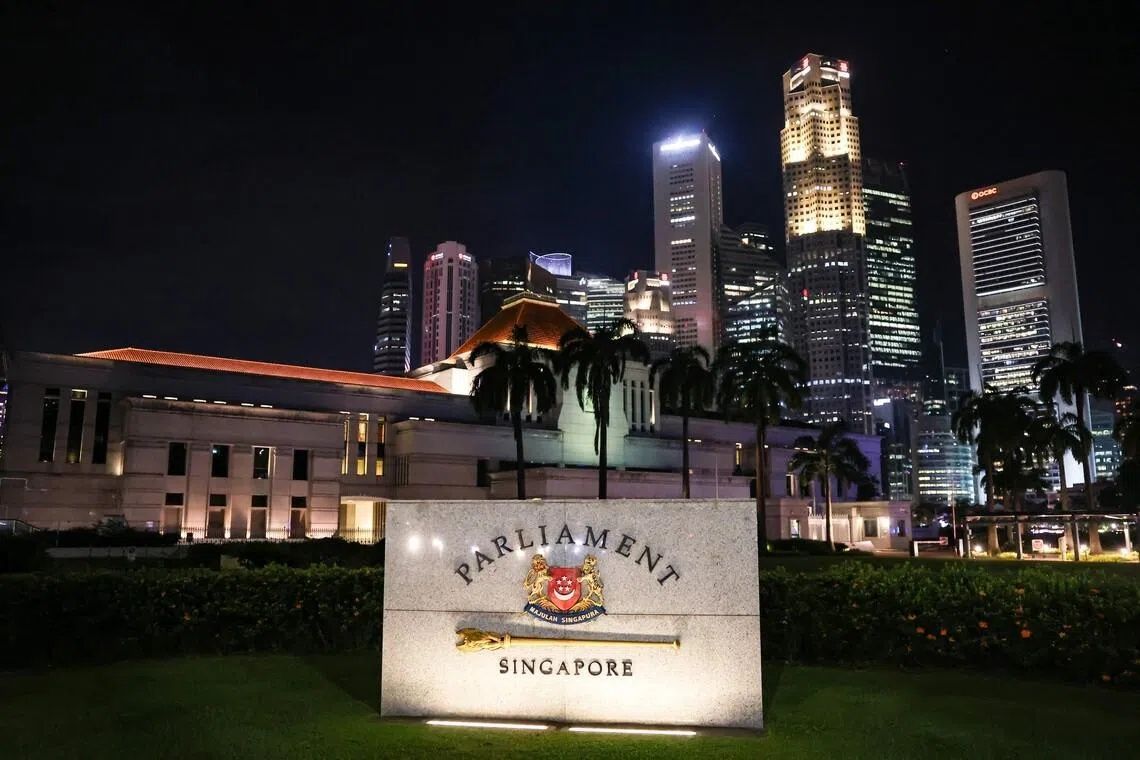
Four days later, on July 7, authorities received another bomb threat, this time targeting Parliament House itself. An anonymous email sent to the Prime Minister's Office alleged that an explosive device had been concealed within the parliamentary building. Given the sensitivity of this location as the seat of legislative power, the threat prompted immediate activation of emergency procedures and comprehensive security sweeps of the premises and its perimeter. No suspicious items or devices were discovered at either location following the intensive checks, confirming the threats were fabricated.
Investigators from the Criminal Investigation Department and Central Police Division cross-referenced forensic and communications data from both incidents, establishing that a single perpetrator was responsible for submitting both false reports. The electronic trail connecting the two threats proved definitive enough to narrow the investigation significantly. The suspect was apprehended on the same day as the second threat, suggesting that rapid digital forensics and inter-agency coordination enabled swift identification and detention before any further hoaxes could materialize.
Electronic devices recovered from the man's possession were seized as evidence and are believed to have been instrumental in executing the threats. These devices likely contained digital records, messaging applications, email accounts, or other technical infrastructure demonstrating intent and capability. The preservation of such evidence is critical for prosecution, as it allows investigators to reconstruct the suspect's actions and establish premeditation.
Under Singapore law, the man will be prosecuted for communicating false information of a harmful thing, a statute specifically designed to deter hoax threats that consume public resources and create widespread alarm. If convicted, he faces a potential maximum sentence of seven years imprisonment, a financial penalty of up to S$50,000, or both penalties applied concurrently. The sentencing framework reflects the seriousness with which Singapore treats such offences, particularly when directed at sensitive government installations.
The consequences of false bomb threats extend far beyond the immediate security response. Each hoax diverts police officers, emergency responders, specialized detection equipment, and security personnel from their regular duties and genuine threats. In a densely populated city-state like Singapore, where government institutions operate within complex urban environments, such disruptions cascade through multiple agencies and can affect public confidence in security systems. Parliament House, in particular, represents a location of paramount national importance, and any threat—even a fabricated one—triggers elevated responses involving multiple layers of verification and clearance.
For Southeast Asian readers monitoring security trends across the region, this incident illustrates how online anonymity and digital communication channels create new vectors for disruption, even in countries with sophisticated cybersecurity and law enforcement capabilities. Singapore's rapid response and successful prosecution underscore the importance of maintaining robust digital forensics capabilities and inter-agency information sharing protocols. The case demonstrates that technological sophistication at the law enforcement level remains essential for countering the growing number of hoax threats that exploit the accessibility of online communication channels.
The police statement accompanying the charges emphasized that false threat communications generate unnecessary public anxiety and waste critical emergency resources. This messaging serves a dual purpose: it provides public reassurance that perpetrators will face serious consequences, while simultaneously signaling to would-be offenders that the state possesses both the technical capability and legal framework to identify and prosecute them effectively. Singapore's track record of swift investigations in such cases may itself serve as a deterrent, suggesting that the anonymity promised by online platforms provides limited protection against determined law enforcement efforts.

