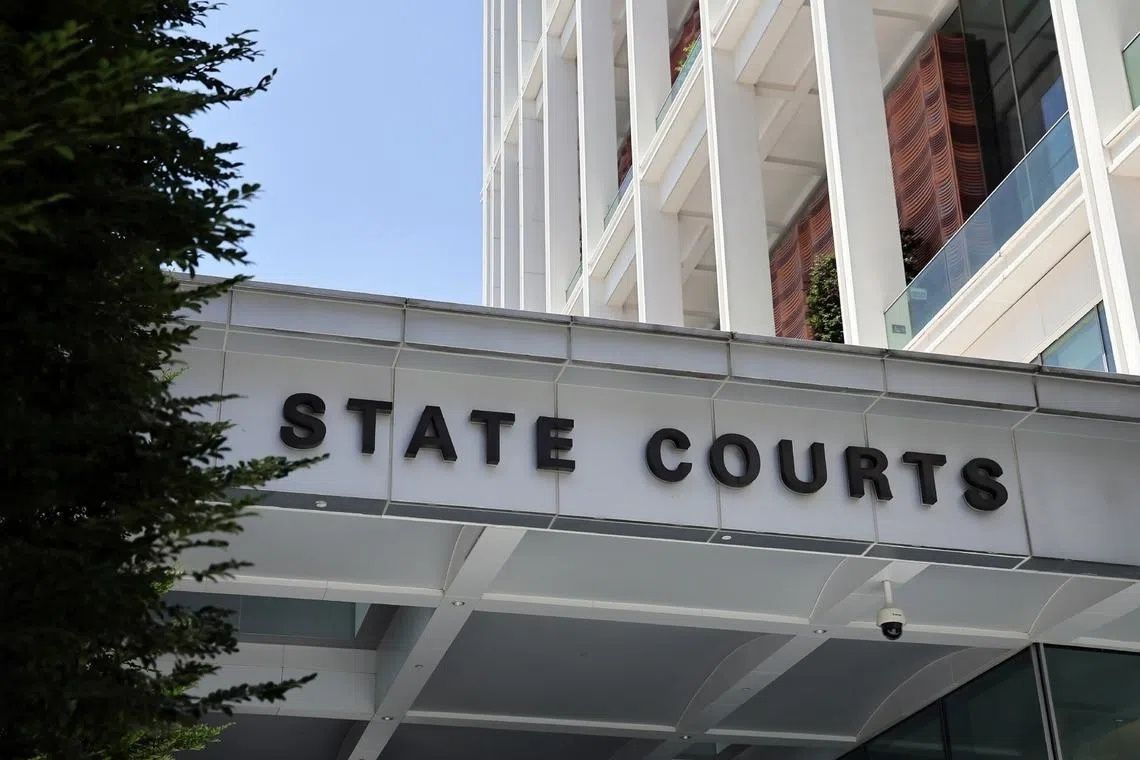
Singapore's courts processed a significant batch of 41 drink-driving cases on a single day in late June, highlighting the persistent challenge of impaired driving across the island nation. Among those charged were three men whose cases drew particular concern: they had allegedly fallen asleep at the wheel in separate incidents while driving under the influence of alcohol. The sheer volume of cases handled in one day underscores the scale of enforcement activity by Singapore's Traffic Police and the judiciary's commitment to swiftly processing offenders.
Tho Yu Wei Ronald, aged 34, appeared before a district court on Thursday, June 25 alongside two other drivers facing identical charges of drink driving and the lesser offence of leaving a vehicle in a position causing undue inconvenience to the public. In Tho's case, his car was discovered abandoned at the entrance of a multi-storey carpark at Block 176 Hougang Street 13 late on the evening of April 30. Police breath analysis revealed he was carrying 51 micrograms of alcohol per 100 millilitres of breath, exceeding the legal threshold of 35 micrograms by nearly half. The dangerous practice of driving while so substantially impaired, combined with the apparent loss of consciousness, presents a critical public safety hazard.
Zhong Pengzhi, 38, presented a similarly troubling scenario when his vehicle was found abandoned in the second lane of a two-lane road along Clementi Avenue 5 in the early morning hours of May 9. His breath test registered 48 micrograms of alcohol per 100 millilitres, also well above the permissible limit. The abandonment of vehicles on active roadways by intoxicated drivers creates secondary dangers for other motorists who may strike the unattended cars or swerve to avoid collisions, multiplying the public safety risks inherent in impaired driving.
Dharuman Killivalavan, a 29-year-old Indian national, was operating a commercial lorry along Loyang Avenue on the evening of June 15 when he abandoned the heavy vehicle along the extreme right lane. His breath analysis proved the most alarming among the three cases, registering 87 micrograms of alcohol per 100 millilitres of breath—nearly two and a half times the legal limit. Dharuman's swift guilty plea on June 25 resulted in a $7,100 fine and a three-year driving disqualification, penalties that reflect the severity of operating a commercial vehicle while intoxicated.
Within the larger cohort of 41 offenders charged that day, two were identified as repeat offenders, a classification that triggers significantly harsher penalties under Singapore's traffic laws. Cheng Woon Siong, aged 44, had previously been convicted of drink driving in December 2019. When stopped for police checks, he registered 52 micrograms of alcohol per 100 millilitres of breath. His repeat offence resulted in a one-month jail sentence, a $5,500 fine, and a five-year driving disqualification commencing after his release from prison. This escalation in penalties reflects the judiciary's approach of imposing increasingly severe consequences for those who demonstrate a pattern of dangerous behaviour.
The second repeat offender, Koh Choon Lye, aged 48, had a prior drink-driving conviction dating to 2018. During a police check on Tyrwhitt Road on April 16, Koh registered 51 micrograms of alcohol per 100 millilitres of breath. His history of similar offences places him among a minority of drivers who have been caught and prosecuted previously yet continue to drive while intoxicated, suggesting that existing deterrence mechanisms may be insufficient for certain segments of the driving population.
Broader statistics released by Singapore's Traffic Police paint a sobering picture of impaired driving's prevalence. During 2025, the police arrested 1,716 individuals for drink driving—a figure suggesting that the 41 cases processed in a single day represent routine enforcement activity rather than an exceptional crackdown. These arrests occurred against a backdrop of 12 fatal accidents directly attributable to drink driving that same year, each representing a tragedy that could have been prevented through abstinence or alternative transport choices.
For Malaysian readers and Southeast Asian observers, Singapore's aggressive enforcement and swift judicial processing offer instructive contrasts. The island nation's structured approach—immediate breath testing, rapid court appearance, and graduated penalties—creates a system of near-certain consequences for impaired driving. The differentiation in sentencing between first-time and repeat offenders also demonstrates a deliberate policy choice to prioritize incapacitation and prolonged licensing bans for persistent violators, removing their access to vehicles rather than relying primarily on fines.
The police statement accompanying the charges explicitly characterised drink driving as "an extremely dangerous and irresponsible act," signalling not merely legal disapproval but moral condemnation. This framing appears designed to influence cultural attitudes toward impaired driving, shifting public perception away from viewing it as a personal matter toward recognition of its threat to collective public safety. Such messaging has particular relevance in Southeast Asian contexts where drinking and driving remain prevalent despite legal prohibitions.
The Traffic Police recommendations—to abstain from driving after alcohol consumption and to utilise taxis or private-hire vehicles instead—address a practical gap in some motorists' decision-making. The availability and affordability of ride-hailing services in Singapore removes the excuse that no alternatives to drink driving exist, placing full responsibility on individual drivers. In Malaysia and neighbouring countries where such services may be less ubiquitous or reliable, the deterrent effect of enforcement and penalties becomes proportionally more important.
The pattern evident from these 41 cases—abandoned vehicles, breath readings far exceeding legal limits, and drivers losing consciousness behind the wheel—suggests that many offenders were not merely slightly impaired but substantially intoxicated. This indicates that either the decision to drive was made by already-heavily intoxicated individuals, or consumption occurred during the journey itself, both scenarios indicating a dangerous disconnect between risk perception and actual behaviour. Understanding why drivers in this state continue to operate vehicles remains a critical question for traffic safety policy across the region.

