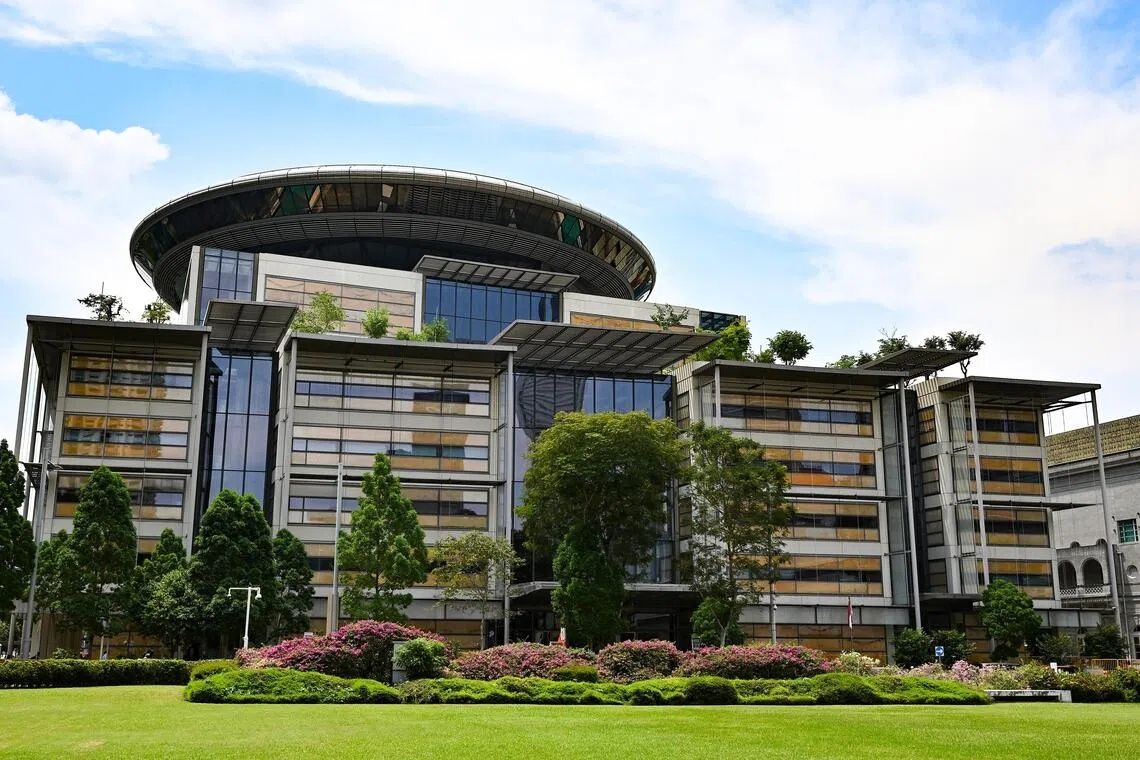
The Court of Appeal in Singapore has dealt a significant blow to Wang Yunhe's legal strategy by dismissing his attempt to overturn the seizure of his personal belongings, marking another setback for the Chinese national as he fights extradition to the United States. In its detailed written grounds released on August 4, the three-judge panel headed by Chief Justice Sundaresh Menon found that Wang's entire legal challenge was fundamentally flawed in its procedural approach, making it impossible for the court to even reach the merits of whether the seizure itself was lawful.
Wang faces serious accusations of creating and distributing malware that compromised millions of residential computers worldwide, leading to his indictment in Texas on charges including conspiracy to commit computer fraud, aiding and abetting computer fraud, conspiracy to commit wire fraud, and conspiracy to commit money laundering. After his arrest in Singapore on May 24, 2024, following a US extradition request, police seized 50 items from him. He has remained in detention since then, awaiting a committal hearing to decide whether Singapore should surrender him to American authorities.
The core dispute centred on twelve specific items that Wang contested—including bank cards, mobile phones, flash drives, a laptop and a computer processing unit. Wang argued that the United States had made an overly general and vague request that did not provide sufficient grounds for Singapore's officers to identify and seize these particular items. He also contended there was no reasonable basis for suspecting these items constituted evidence of his alleged crimes or the proceeds of criminal activity.
The critical procedural error that undermined Wang's entire challenge lay in where he chose to initiate his legal battle. Wang first applied to a magistrate under the Extradition Act to declare the seizure unlawful, but the Court of Appeal determined this venue was inappropriate. The judges emphasized that the Extradition Act contains no mechanism permitting fugitives to challenge police seizures before a magistrate, and such matters fall squarely within the High Court's exclusive jurisdiction. The magistrate therefore lacked the legal authority to hear the application at all, as it amounted in substance to a judicial review matter.
This procedural failure had cascading consequences for Wang's legal position. Had Wang wished to challenge the police conduct, he was required to file a judicial review application directly with the High Court, and crucially, this application had to be submitted within three months of the seizure. Wang waited nearly nine months before making his magistrate application—well beyond the statutory window. By attempting an end-run around this requirement through the magistrate, the court found that Wang had effectively circumvented the legal safeguards designed to ensure timely challenges to police action.
The Court of Appeal also noted that Wang compounded his procedural difficulties by pursuing the wrong remedy once his magistrate application was dismissed. Rather than correctly seeking criminal revision of the magistrate's order, Wang jumped directly to applying for judicial review permission. The judges suggested that both the defence and magistrate may have overlooked these jurisdictional gaps because Wang's application had been bundled with other extradition-related matters that legitimately fell within the magistrate's domain, creating a practical blur in an otherwise clear legal boundary.
Even if the court were inclined to overlook these procedural defects, Wang's substantive argument fell short of establishing a credible basis for overturning the seizure. The court found that Wang failed to make out an arguable case that the police lacked reasonable grounds to suspect the items were either evidence of crime or fruits of his criminal enterprise. Given the seriousness of the accusations against him—involving vast numbers of compromised computers and international financial crimes—the connection between the seized digital devices, storage media, and financial instruments to his alleged criminal activity appeared reasonably evident.
The judgment carries important implications for extradition procedures in Singapore and the broader region. It reinforces that fugitives cannot use procedurally creative arguments to circumvent the proper channels for challenging police action. The decision also demonstrates the court's willingness to enforce strict procedural requirements even when doing so works against a defendant, reflecting a judicial philosophy that procedural fairness requires everyone to follow the rules in timely fashion.
Wang continues to fight his extradition through other legal avenues, having repeatedly objected to being sent to the United States in earlier court proceedings. However, these obstacles suggest that Singapore's courts are unlikely to provide relief through technical or procedural challenges. The extradition law amendments made in 2022, which allow accused persons to voluntarily consent to extradition to conserve state resources, present Wang with a fundamentally different choice than continued litigation—a calculation that appears increasingly urgent given his mounting legal defeats.
For Malaysia and other Southeast Asian nations with increasing concerns about cross-border cybercrime, the Singapore judgment reinforces that regional law enforcement cooperation on digital crimes can proceed through established extradition frameworks without being derailed by procedural complications. As cybercriminals increasingly operate across borders and exploit international jurisdictions, predictable and efficient extradition mechanisms become essential tools for regional security.

