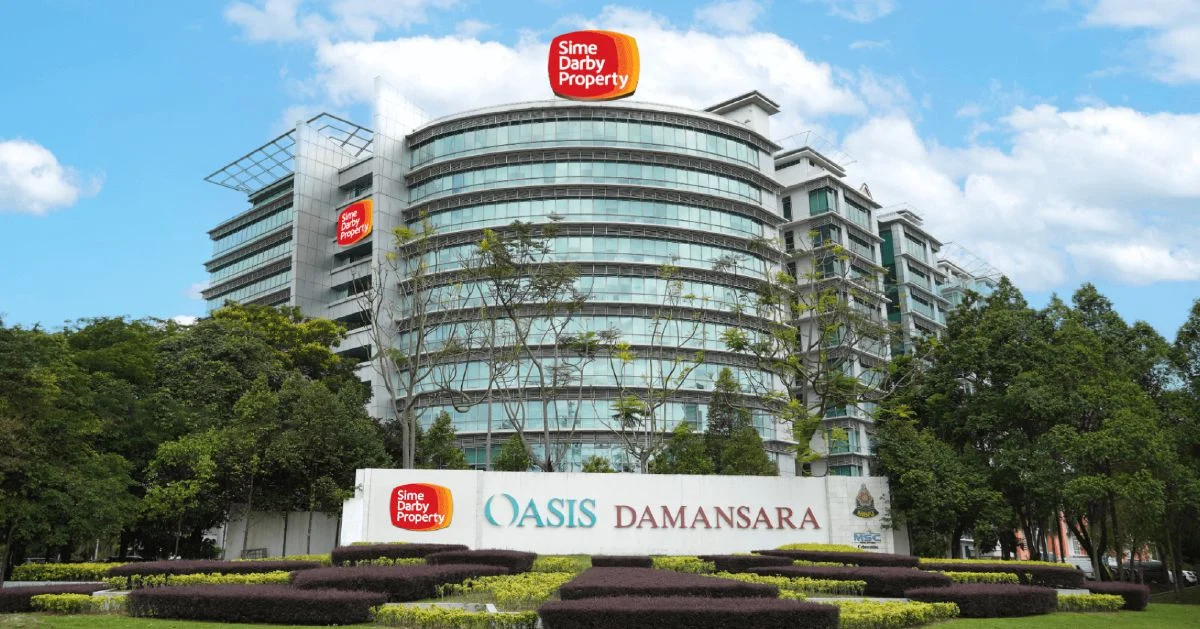
Sime Darby Property Bhd has tapped the Islamic capital markets to unlock substantial funding for its ambitious development agenda, issuing a RM2.6 billion sukuk wakalah programme through its subsidiary Sime Darby Property NEV Holdings Sdn Bhd. The financing initiative represents a significant commitment by one of Malaysia's largest property companies to channel investment toward initiatives classified as new economy ventures, reflecting the sector's growing pivot toward emerging economic sectors and infrastructure deemed critical for national competitiveness.
The New Economy Venture fund, functioning as Sime Darby Property's dedicated investment vehicle for forward-looking real estate development, represents a strategic repositioning by the group beyond traditional residential and commercial real estate. This fund structure enables the developer to compartmentalise investments in projects that align with Malaysia's broader economic diversification strategy, including digital infrastructure, technology hubs, sustainable urban development, and mixed-use precincts that support innovation-driven businesses.
Sukuk wakalah structures, which operate on an agency principle under Shariah law, have become increasingly popular among Malaysian developers seeking to finance large-scale projects. Under this arrangement, investors provide funds through Islamic bonds while the issuer acts as an agent managing the underlying assets and generating returns through operational performance. The wakalah model offers flexibility for real estate development financing while maintaining compliance with Islamic banking principles, making it particularly attractive for domestic property companies seeking to access capital from both domestic and international Islamic finance markets.
The RM2.6 billion funding quantum underscores investor confidence in Sime Darby Property's ability to execute development projects aligned with economic transformation imperatives. For Malaysian property developers, accessing this scale of Islamic financing reflects both the maturity of domestic sukuk markets and recognition that new economy projects increasingly command investment appetite. The issuance timing also coincides with growing institutional and retail appetite for Islamic investment products, particularly among Malaysian fund managers and wealth platforms directing capital toward sustainable and innovation-linked developments.
Sime Darby Property's deployment of sukuk financing carries implications beyond immediate project funding. It signals to market participants that traditional property development is being reimagined within frameworks emphasising technology integration, sustainability, and alignment with national economic goals. The new economy classification itself—encompassing digital infrastructure, tech parks, logistics hubs, and knowledge-based precincts—suggests the fund will prioritise developments supporting Malaysia's aspirations to transition toward higher-value economic activities and reduce dependence on traditional sectors.
For Malaysian investors and businesses, the availability of substantial capital for new economy property development creates downstream opportunities. Technology companies, logistics operators, and service providers requiring modern facilities designed around digital-first operations will benefit from supply expansion in this asset class. Similarly, financial service providers, construction firms, and professional services organisations supporting property development stand to gain from the execution phase of these funded projects.
The sukuk issuance also reflects broader trends in Islamic finance innovation. Malaysian Islamic capital markets have evolved considerably, with sukuk instruments now accommodating complex real estate structures involving revenue-sharing, asset management, and long-term performance metrics. Sime Darby Property's use of this mechanism demonstrates how established developers are leveraging Islamic finance sophistication to access capital for larger-scale initiatives than traditional equity or debt structures might facilitate.
Regionally, Malaysia's competitive position in property investment depends partly on access to affordable, diversified financing. By successfully mobilising RM2.6 billion through sukuk, Sime Darby Property reinforces Malaysia's status as a centre for Islamic financial innovation. Regional investors and developers increasingly look to Malaysian precedents when structuring their own Islamic financing for property development, suggesting the issuance may establish frameworks other developers across Southeast Asia reference.
The timing of this fund launch merits consideration alongside Malaysia's economic recovery trajectory. As the economy stabilises post-pandemic, property companies are strategically repositioning portfolios toward asset classes anticipated to benefit from structural economic shifts. New economy classifications, encompassing everything from data centres supporting cloud infrastructure to mixed-use precincts attracting knowledge-sector employers, represent bets on Malaysia's capacity to attract both domestic and foreign investment in higher-productivity economic activities.
Sime Darby Property's subsidiary structure for managing the sukuk programme also reflects risk management practices increasingly common among large property conglomerates. By ringfencing the new economy fund within a dedicated holding company, the parent group establishes clear accountability, facilitates separate investor reporting, and potentially enhances the appeal of the sukuk to institutional investors concerned with project specificity and performance transparency.
The RM2.6 billion represents material capital, with deployment across multiple projects likely to extend across several years. As these developments progress—whether they materialise as tech parks, sustainable precincts, or digital infrastructure nodes—they will contribute data on how Malaysian property markets absorb capital directed toward forward-looking asset classes. Industry observers will closely monitor absorption rates, rental performance, and investor returns, as outcomes will signal whether new economy property investments offer sufficient yield and stability to sustain long-term financing appetite.
For Sime Darby Property shareholders, the sukuk issuance offers a pathway to fund growth initiatives whilst maintaining financial leverage within prudent parameters. Islamic bonds, properly structured, distribute risk between developers and investors, reducing pressure on equity returns whilst allowing developers to pursue strategic expansion. The new economy focus suggests management sees sustainable competitive advantages in properties supporting Malaysia's economic transformation, betting that demand for such assets will remain robust regardless of cyclical property market pressures.
Moving forward, the success of this fund will likely influence how other Malaysian developers approach capital mobilisation for similar projects. If the new economy ventures perform well—generating steady revenue streams and attracting premium tenants—further sukuk issuances targeting this asset class could follow, potentially establishing new economy property as a distinct asset category within Malaysian real estate investment markets.

