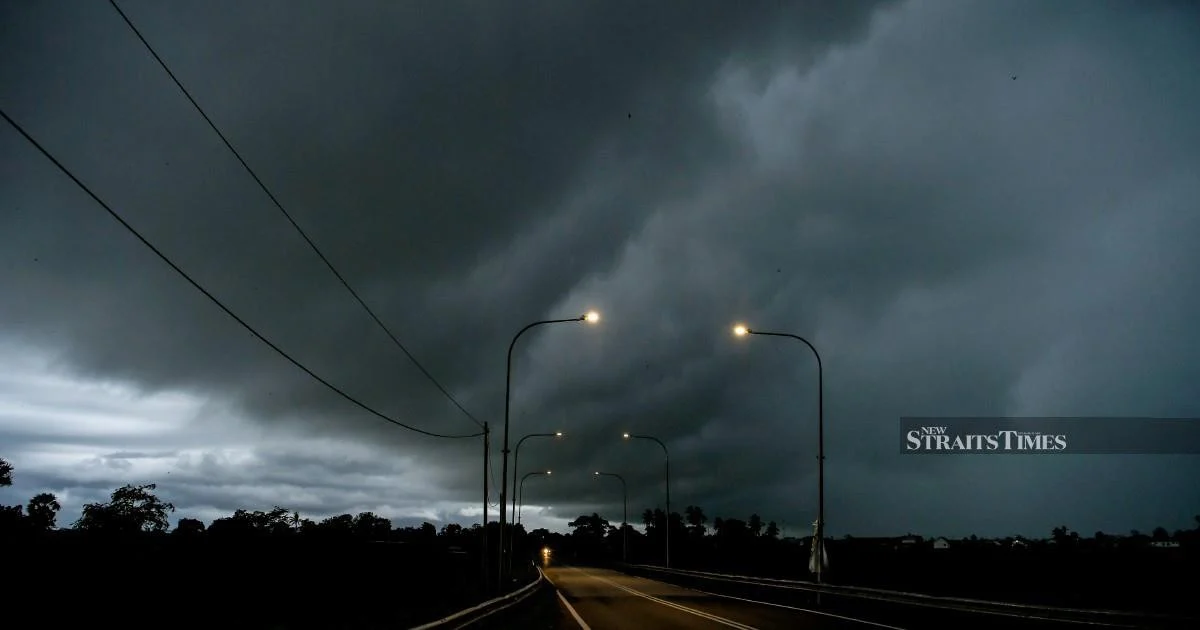
Malaysia's Meteorological Department issued an urgent weather alert affecting multiple regions on Wednesday morning, signalling the arrival of potentially hazardous atmospheric conditions across the country. The warning, which encompasses the Federal Territories of Putrajaya and Labuan alongside ten additional states, encompasses three principal weather hazards: thunderstorms, powerful winds, and torrential rainfall. The alert remains in effect through 9am today, with meteorologists monitoring conditions throughout the affected areas.
Thunderstorm warnings in Malaysia carry particular significance for residents and commuters, given the nation's tropical climate and susceptibility to rapid weather escalation. When METMalaysia activates such alerts, it signals that atmospheric instability has reached levels sufficient to generate potentially damaging electrical discharge, dangerous wind gusts, and rainfall intensity that may exceed normal drainage capacity. The simultaneous warning across multiple states suggests a coherent weather system rather than localised disturbances, indicating broader meteorological patterns affecting the region.
The inclusion of both federal territories underscores the geographical reach of the system. Putrajaya, serving as Malaysia's administrative hub, houses critical government infrastructure and contains transportation networks essential for national operations. Labuan, situated off the coast of Sabah, represents the only federal territory in Borneo and possesses unique geographic vulnerabilities to weather-related disruptions. The warning therefore carries implications extending beyond ordinary weather concerns, potentially affecting business continuity and administrative functions across multiple sectors.
Strong wind warnings merit particular attention in Malaysian contexts, where such conditions have historically triggered transportation disruptions and infrastructure damage. Wind gusts during thunderstorms can topple inadequately secured structures, uproot vegetation, and create hazardous driving conditions on highways and major roads. For maritime traffic, particularly around Labuan and coastal regions, such conditions necessitate operational adjustments and enhanced safety protocols. Sailors and commercial operators would typically curtail activities or increase precautions when such warnings activate.
Heavy rainfall represents the third component of the alert, raising concerns about flash flooding and water accumulation in low-lying areas. Malaysian urban centres, despite substantial drainage infrastructure, occasionally experience inundation during intense precipitation events. The combination of heavy rain with strong winds compounds hazard potential, as wind-driven rain penetrates building crevices and vegetation barriers more effectively, while wind itself complicates water management. Residents in flood-prone zones—a category encompassing numerous suburbs and rural communities nationwide—should exercise appropriate precautions during the warning period.
METMalaysia's issuance of time-specific warnings reflects advances in meteorological forecasting and communication protocols established over recent decades. Rather than employing vague duration indicators, the department specifies 9am as the alert conclusion, enabling residents to plan activities with precision. This approach assumes that atmospheric instability responsible for generating thunderstorms should dissipate as morning progresses and surface temperatures stabilise. However, weather systems occasionally persist beyond forecasted timeframes, requiring updated guidance from meteorological authorities.
The geographic distribution of the warning—affecting ten states plus two federal territories—suggests a system of considerable lateral extent. In meteorological terms, such patterns typically result from monsoon interactions, tropical convergence zones, or approaching weather fronts that create broad regions of instability. Understanding these underlying mechanisms helps communities appreciate why single-state or single-territory warnings prove insufficient; larger systems demand larger warning zones. For Malaysian residents accustomed to tropical weather patterns, such multi-state alerts represent standard seasonal phenomena rather than extraordinary anomalies.
Responses to thunderstorm warnings vary across sectors. Transportation authorities typically implement speed restrictions and enhanced hazard monitoring on major highways. Schools and outdoor event organisers may adjust schedules to accommodate the weather window. Electricity providers increase operational readiness, recognising that lightning strikes occasionally damage infrastructure despite protection systems. Agricultural operations in affected regions often cease fieldwork during active thunderstorm periods, as safety risks substantially increase.
For Malaysian business continuity planning and emergency management purposes, such meteorological alerts represent routine operational triggers. Large organisations maintain weather-monitoring protocols, instructing facility managers and operations teams to implement predetermined responses when authorities issue warnings. These responses have become standardised across banking, telecommunications, manufacturing, and service sectors, reflecting accumulated experience managing weather-related disruptions.
The 9am deadline carries implicit significance regarding the thunderstorm lifecycle. Morning hours typically bring atmospheric destabilisation as solar heating increases, potentially intensifying rather than diminishing storm activity through early morning hours. The forecasted clearance by 9am suggests meteorologists anticipate that by mid-morning, the atmospheric conditions favouring thunderstorm development should sufficiently weaken. Residents should monitor official updates from METMalaysia, as forecasts occasionally require revision should actual conditions diverge from predictions.
For communities throughout the affected territories, the practical response involves exercising standard thunderstorm precautions: securing loose outdoor items, avoiding unnecessary outdoor activity during peak warning hours, and ensuring drainage systems remain clear. Motorists should reduce speeds and increase following distances, while boat operators should defer departures. These measures, collectively understood across Malaysian society through decades of seasonal weather pattern exposure, represent the accumulated wisdom of communities living in tropical regions prone to sudden atmospheric violence.
METMalaysia continues monitoring atmospheric conditions and will issue updated guidance should conditions intensify or persist beyond the forecasted 9am endpoint. Residents in affected regions should remain alert to official weather communications throughout the morning hours.

