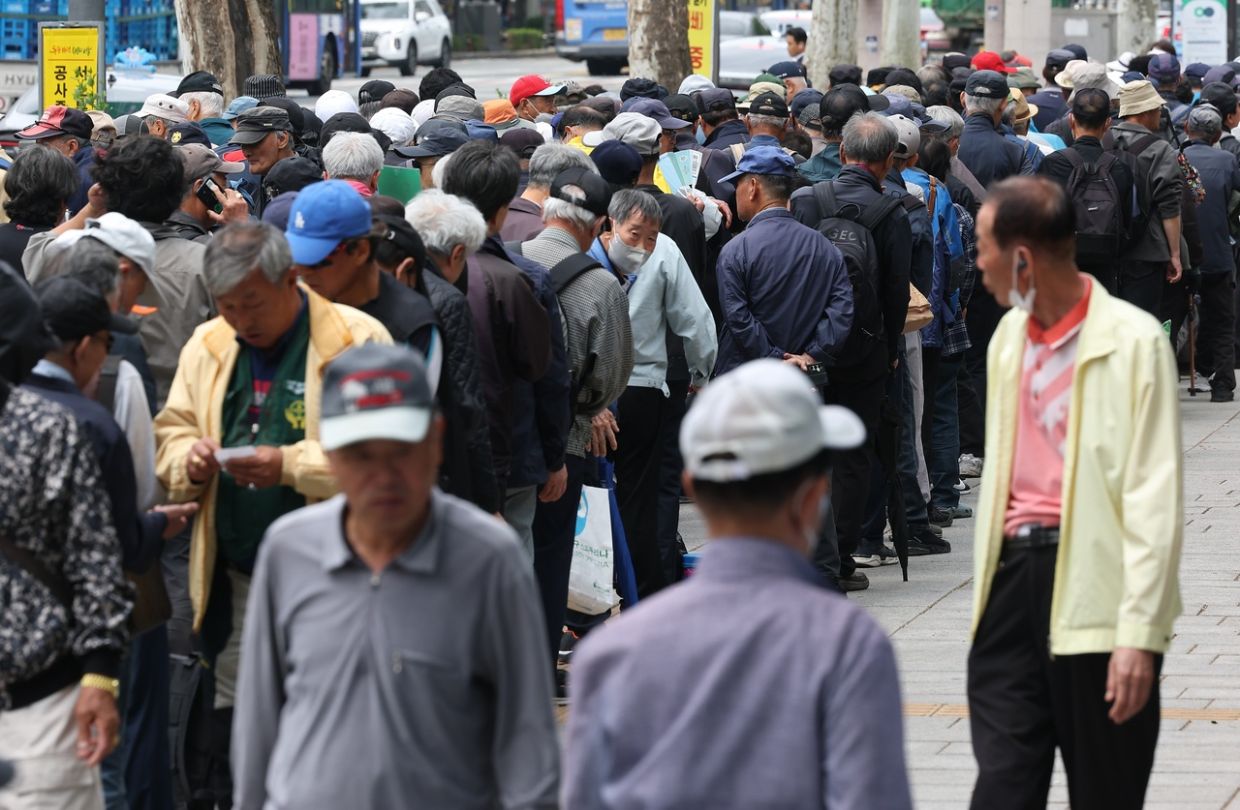
South Korea's capital is at a crossroads over whether to extend comprehensive transportation benefits to its rapidly ageing population. Seoul Metropolitan Council is moving forward with a proposal to offer free or subsidised bus fares for residents aged 70 and older, complementing a decades-old system that already provides free subway access to those 65 and above. The ordinance, steered through committee by Seoul Metropolitan Council Transportation Committee Chair Lee Byeong-yoon of the People Power Party, passed its critical committee stage on Monday and faces a plenary vote on Wednesday. If approved, the policy would cover standard city and neighbourhood buses while excluding express and intercity services, though implementation would not begin immediately even with council passage.
The timing of the initiative reflects Seoul Mayor Oh Se-hoon's campaign commitments made during June's local elections, as well as genuine gaps in the existing transportation assistance framework. Currently, seniors aged 65 and above enjoy unrestricted subway travel at no cost, yet bus passengers in the same age bracket must pay regular fares. For older citizens living in areas with limited metro coverage or those who depend primarily on surface transport, this creates an inconsistency that disadvantages them. Supporters of the measure argue that rectifying this disparity would improve mobility and social participation for vulnerable elderly residents who might otherwise isolate themselves due to transport costs. The proposal essentially seeks to level the playing field across Seoul's public transit ecosystem.
Other South Korean cities have already charted this course, providing Seoul with both precedent and cautionary lessons. Daegu initiated free bus rides for seniors in 2023 and has committed to a phased reduction in eligibility age from 75 to 70 by 2028, demonstrating that such programmes are administratively feasible. Daejeon has established free bus access for those 70 and older, while Incheon is preparing a similar scheme for residents aged 75 and above. These regional initiatives suggest that Seoul's proposal aligns with a broader shift in South Korean social policy toward expanded elderly welfare. However, the scale of Seoul's potential burden differs markedly from smaller metropolitan areas, given that seniors constitute 21.2 percent of Seoul's population—a demographic weight that amplifies fiscal implications.
The financial mathematics paint a stark picture of the challenge ahead. The Seoul Metropolitan Council Secretariat estimates that universal bus-fare subsidies for all residents aged 70 and above would cost approximately 104.7 billion won in the first year, assuming rollout begins in 2027. This figure assumes current senior demographics; reality may prove more expensive. Projections indicate that Seoul's population aged 70 and above will expand from roughly 1.27 million this year to 1.63 million by 2031, potentially driving annual costs toward 127.5 billion won within five years. Over a five-year implementation window, cumulative spending could approach 579 billion won. These estimates arrive against a backdrop of existing commitments: Seoul already allocates more than 450 billion won annually to compensate private bus operators for operating losses, positioning this new proposal as an additional strain on municipal budgets.
Underlying these projections is another cost driver that policymakers cannot ignore. Recent court rulings on ordinary wages within South Korea's labour framework are expected to increase wages and associated labour costs across the bus industry, adding inflationary pressure to an already expensive sector. This confluence of ageing demographics, planned subsidy expansion and labour cost increases creates a fiscal squeeze that critics argue Seoul has not adequately addressed. The tension deepens when considering Seoul Metro's persistent complaints about its own financial position. The metropolitan rail operator has consistently blamed free rides for seniors, people with disabilities and national merit recipients as major contributors to its financial distress, reporting annual transportation losses averaging 364.5 billion won over the past five years. In 2025 alone, these losses reached 448.8 billion won. Seoul Metro has repeatedly appealed to the central government for assistance, arguing that it cannot sustain these obligations independently.
This background context sharpens the central tension in Seoul's current debate: the city simultaneously argues that it lacks resources to cover existing senior rail subsidies while contemplating an entirely new bus-fare benefit. Critics view this as philosophically contradictory and fiscally reckless. Policy experts warn that once welfare benefits become entrenched in public consciousness, political reversal becomes nearly impossible. Sohn Jong-pil, a senior researcher at the Fiscal Reform Institute, has cautioned that cash-type welfare programmes are difficult to scale back once established, requiring policymakers to exercise exceptional caution during introduction phases. He further noted that simply expanding support without strengthening the public accountability mechanisms governing the semi-public bus system offers only partial solutions to systemic sustainability challenges.
Yet supporters of the proposal argue that cost estimates may exaggerate the actual burden by assuming immediate universal implementation. The ordinance, carefully crafted by its drafters, does not mandate unlimited free rides for all seniors aged 70 and older. Rather, it establishes a legal framework permitting Seoul to determine eligibility criteria, benefit levels and programme parameters independently. This flexibility creates multiple implementation pathways. The city could prioritize low-income seniors, cap the number of subsidised trips per resident, restrict support to off-peak travel periods or offer graduated fare discounts rather than complete waiver of costs. Such nuanced approaches would reduce upfront expenditures while still delivering meaningful mobility improvements to vulnerable populations.
A Seoul city official clarified that the ordinance should be understood as establishing institutional foundations rather than mandating immediate sweeping changes. This framing reflects the procedural reality that even if the council approves the measure this month, significant administrative work remains. City officials must determine which populations qualify, establish the actual subsidy amount or discount level, identify funding sources and construct administrative mechanisms for implementation and oversight. These decisions represent genuine opportunities to calibrate the programme's scale and cost. However, critics contend that this flexibility, while theoretically valuable, often dissolves under political pressure once benefits commence. Historical experience suggests that partial programmes frequently expand toward universality as politicians respond to public expectations and organised elderly advocacy groups.
The proposal thus confronts Seoul with a classic policy dilemma: addressing genuine fairness concerns within existing transportation systems while managing long-term fiscal sustainability. The ordinance advancement reflects legitimate recognition that seniors aged 70 and above face mobility challenges disproportionate to their resources. Expanding free transit access represents a comprehensible policy response to demographic realities. However, Seoul's existing fiscal commitments and Seoul Metro's documented distress suggest that additional major subsidies require exceptionally careful structuring and potentially revenue measures to ensure viability. The council's impending vote will determine whether Seoul embraces expanded senior transportation benefits, but the more consequential decisions—regarding programme scope, eligibility, funding mechanisms and long-term accountability—remain to be made through subsequent administrative processes that may prove equally contentious.

