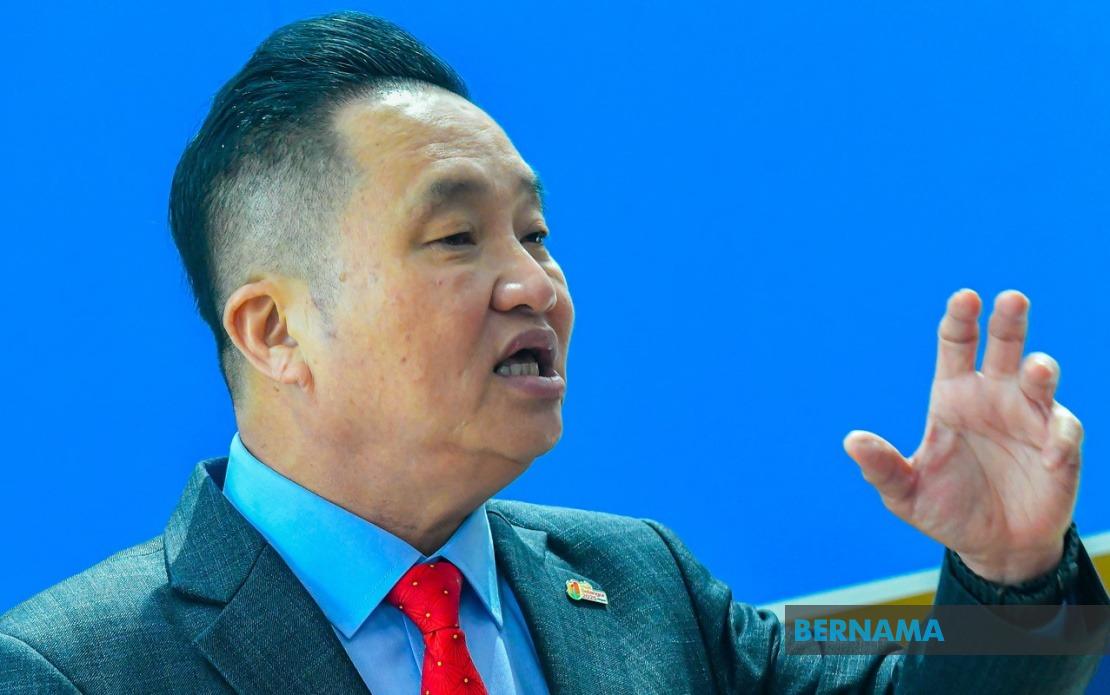
Selangor residents embracing environmental sustainability at home will soon enjoy tangible financial benefits through a new tax incentive scheme launching on July 1. The Assessment Tax Reduction Guidelines, unveiled as part of the state government's Selangor Resilience Strengthening Package Phase 2, represent a deliberate policy shift toward rewarding household-level climate action. State Tourism and Local Government Committee chairman Ng Suee Lim confirmed the implementation timeline during a legislative assembly debate in Shah Alam, signalling the government's commitment to translating green energy commitments into measurable household savings.
The initiative encompasses a broad spectrum of sustainable home improvements, extending well beyond conventional solar panel installations. Homeowners who retrofit their residences with solar systems, invest in energy-efficient appliances, or implement rainwater harvesting infrastructure may qualify for assessment tax reductions, contingent upon conditions the state authorities will finalise. Notably, the scheme also recognises behavioural shifts toward sustainability, encompassing electric vehicle ownership alongside domestic waste reduction and recycling practices. This multi-faceted approach acknowledges that environmental responsibility spans both capital investments and everyday choices, positioning Selangor as a pioneer in incentivising comprehensive household sustainability across Southeast Asia.
The eligibility framework establishes January 1, 2026, as the commencement date for qualifying improvements, creating a clear timeline for residents to plan renovations and investments. This future-oriented structure allows homeowners to budget appropriately while signalling state government intent several months in advance. By anchoring the scheme to a specific future date rather than backdating to current installations, the policy avoids administrative complications whilst maintaining momentum for new residential sustainability projects. For middle and upper-income homeowners in Selangor's growing suburban communities, this certainty represents valuable planning information as property investment and home improvement decisions crystallise.
Selangor Menteri Besar Datuk Seri Amirudin Shari previously announced that residents installing green technology during the current calendar year would receive a 100 per cent assessment tax rebate, establishing an immediate incentive layer preceding the formal guideline implementation. This two-phase approach—combining immediate full rebates with subsequent tiered reductions through the formal scheme—demonstrates escalating policy support for green adoption. The distinction between the temporary 100 per cent rebate and the eventual guideline-based reductions suggests the state recognises both the urgency of accelerating sustainability transitions and the need for sustainable, budgeted long-term frameworks.
The underlying rationale reflects Selangor's growing energy challenge and urban environmental management imperative. As the nation's most economically dynamic and densely populated state, Selangor faces mounting electricity demand alongside mounting pressure to reduce carbon emissions and air quality degradation. Residential solar adoption addresses both household cost pressures and aggregate grid stability, particularly during peak demand periods. Energy-efficient appliances and rainwater harvesting systems similarly reduce municipal water strain and residential utility costs simultaneously, creating win-win scenarios that benefit both individual households and collective resource management systems.
The inclusion of electric vehicle ownership within the incentive framework positions Selangor ahead of many jurisdictions grappling with transport decarbonisation. As Malaysia's transportation sector remains overwhelmingly dependent on internal combustion engines, creating financial incentives that recognise EV investment—even indirectly through assessment tax reductions—accelerates the adoption curve. This approach complements existing national EV support mechanisms whilst leveraging local taxation authority to reinforce state-level climate commitments. For middle-income Selangor residents considering vehicle replacement, the combination of national incentives and state-level tax benefits could meaningfully influence purchasing decisions toward electrification.
The scheme's emphasis on recycling practices and domestic waste reduction introduces behavioural dimensions alongside technological adoption. Rather than exclusively rewarding capital expenditure, the policy acknowledges that environmental responsibility encompasses consumption patterns and waste management habits. This holistic framing recognises that household sustainability requires both infrastructure investment and lifestyle adjustment. For Malaysian policymakers observing Selangor's approach, the integration of behavioural incentives within tax frameworks offers a replicable model that extends beyond conventional utility rebates.
A critical implementation challenge remains waste management for the green technologies themselves. Ng Suee Lim acknowledged the state government's recognition that solar panels, battery storage systems, and end-of-life electric vehicles generate specialised waste streams requiring sophisticated recycling and disposal infrastructure. Selangor authorities have committed to exploring sustainable waste handling methods that prevent environmental harm whilst maximising material recovery. This proactive approach contrasts sharply with the ad-hoc recycling ecosystems characterising Malaysia's current electronics and hazardous waste sectors, where disposal pathways often remain opaque and environmentally problematic.
The recycling infrastructure gap represents both a significant implementation risk and an entrepreneurial opportunity. Inadequate waste management capacity could undermine the scheme's environmental benefits, creating the perverse outcome of accelerating green technology adoption whilst simultaneously generating environmental liabilities. Conversely, the state government's commitment to develop sustainable recycling pathways could catalyse private sector investment in Malaysia's underdeveloped green technology waste sector. Companies establishing solar panel recycling facilities, lithium-ion battery processing operations, or electric vehicle dismantling facilities would address genuine infrastructure gaps whilst capturing growing waste streams from state-subsidised adoption.
From a broader policy perspective, Selangor's initiative reflects an increasingly sophisticated understanding that climate action requires fiscal incentives aligned with environmental outcomes. Rather than generic subsidies, the tax reduction approach targets specific sustainability behaviours whilst devolving implementation responsibility to property assessors and homeowners. This structure contrasts with centralised subsidy programmes prone to misallocation and bureaucratic inefficiency. By embedding green incentives within existing assessment taxation frameworks, Selangor minimises administrative overhead whilst leveraging established verification and enforcement mechanisms.
The scheme's implications extend beyond individual household economics to influence Selangor's competitive positioning as Malaysia's technology and investment hub. Environmental credentials increasingly influence corporate relocation and foreign direct investment decisions, particularly among sustainability-conscious multinational enterprises. A state whose residential landscape visibly demonstrates commitment to green technology adoption through widespread solar panels, EV charging infrastructure, and sustainable housing practices projects distinctive competitive advantages in attracting ESG-conscious investors and talent. Selangor's incentive scheme therefore functions simultaneously as household policy, waste management framework, and economic positioning strategy.
Implementation timing remains critical as the July 1 deadline approaches. State authorities must clarify the precise conditions determining eligibility, establish verification procedures for approved installations, and communicate guidelines transparently to residential property owners and assessors. Coordination between the state government's environmental agencies and local council assessment teams requires institutional alignment to prevent delays or inconsistent application. For residents considering green technology investments before the scheme launches, clarity regarding the transition between the current 100 per cent rebate period and the subsequent guideline-based framework will substantially influence decision-making timelines.
Selangor's green home incentive scheme ultimately signals that Malaysia's most developed state recognises environmental sustainability as an economic priority meriting fiscal investment. By coupling tax reductions with technology adoption and waste management planning, the state government acknowledges that genuine climate action requires simultaneously removing financial barriers, developing supporting infrastructure, and managing downstream consequences. As other Malaysian states and the federal government observe Selangor's implementation, the scheme's effectiveness in driving residential sustainability adoption may establish a policy template reshaping how Malaysia structures environmental incentives across multiple sectors.

